Why You Should Never Send Money to Strangers: The Mechanism Behind Financial Fraud
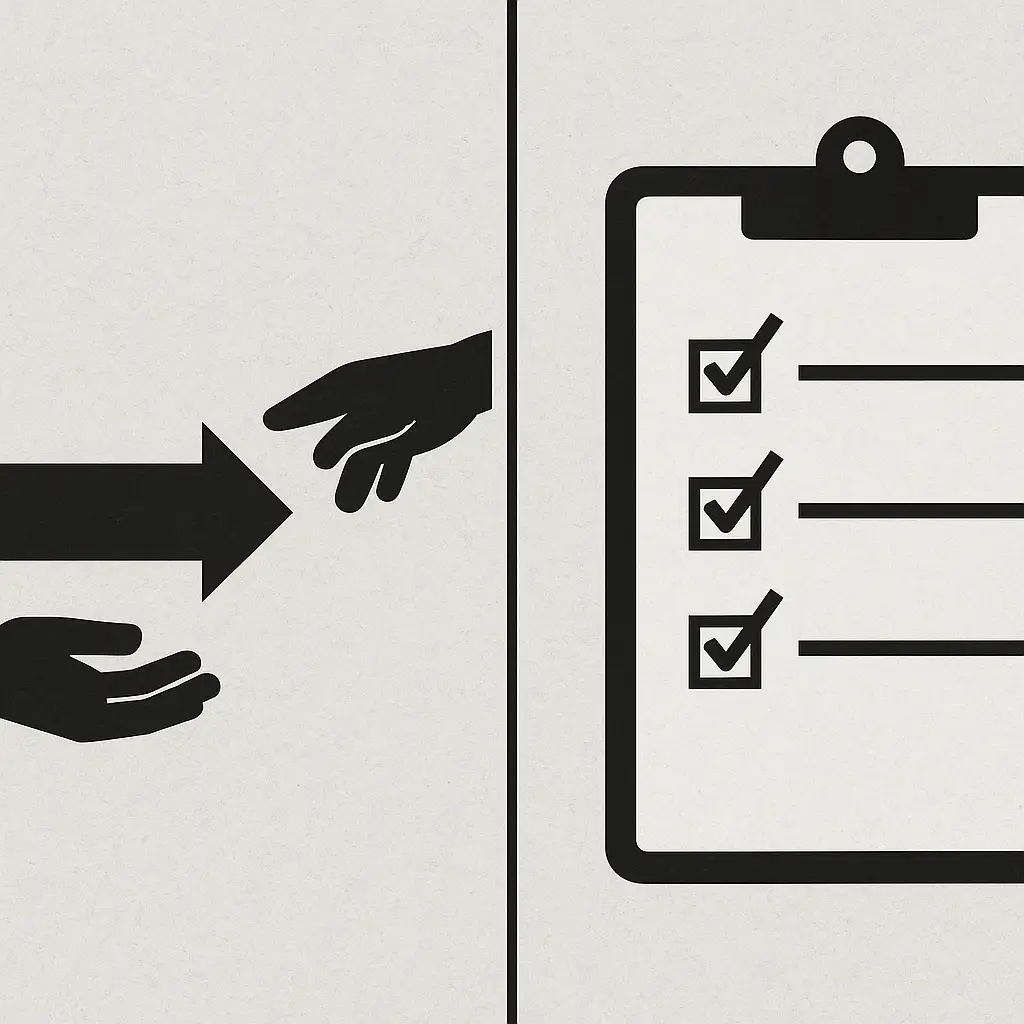
The advice sounds simple: don't send money to strangers. But the reason isn't about strangers specifically. It's about the payment mechanism itself and what happens after you authorize the transaction.
When you send money through Zelle, wire transfer, cash app, cryptocurrency, or gift card, you're using a payment method designed for speed and finality. Those systems prioritize convenience over recourse. Once the money moves, it's gone. No dispute process. No fraud investigation. No reversal.
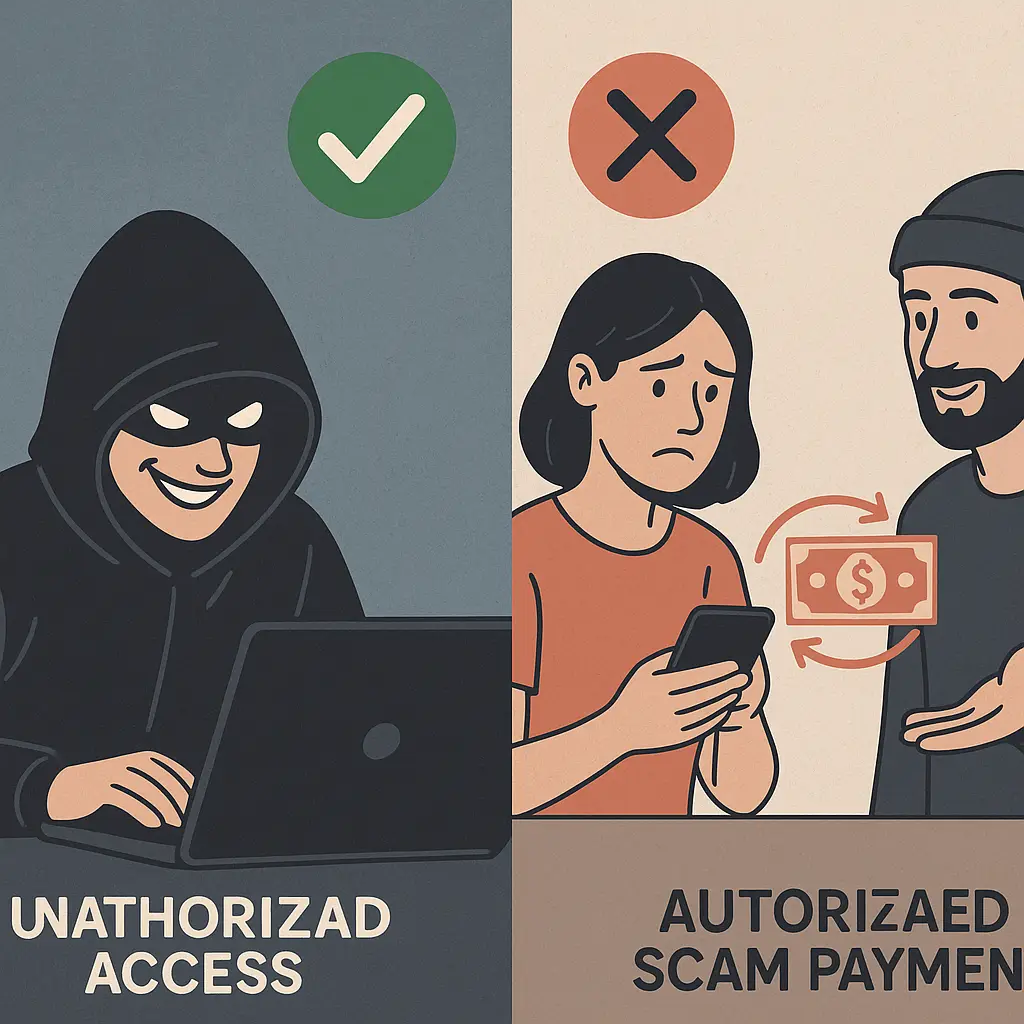
The problem isn't that you might send money to the wrong person. The problem is that the payment infrastructure treats your authorization as absolute proof of intent. You said yes, so the system assumes the transaction is legitimate. What happens next is your problem, not the bank's.
Here's the underlying mechanism, what makes these payments different from credit card purchases, and what you need to understand before you authorize any transfer.
The Payment Finality Problem
When you swipe a credit card at a store, you're not actually sending money. You're creating a promise that your bank will pay the merchant. That promise moves through a multi-party system with built-in dispute mechanisms. If the merchant doesn't deliver, if the charge is fraudulent, if someone stole your card, you can challenge the transaction. The credit card network investigates. The merchant has to prove they delivered. You have rights.
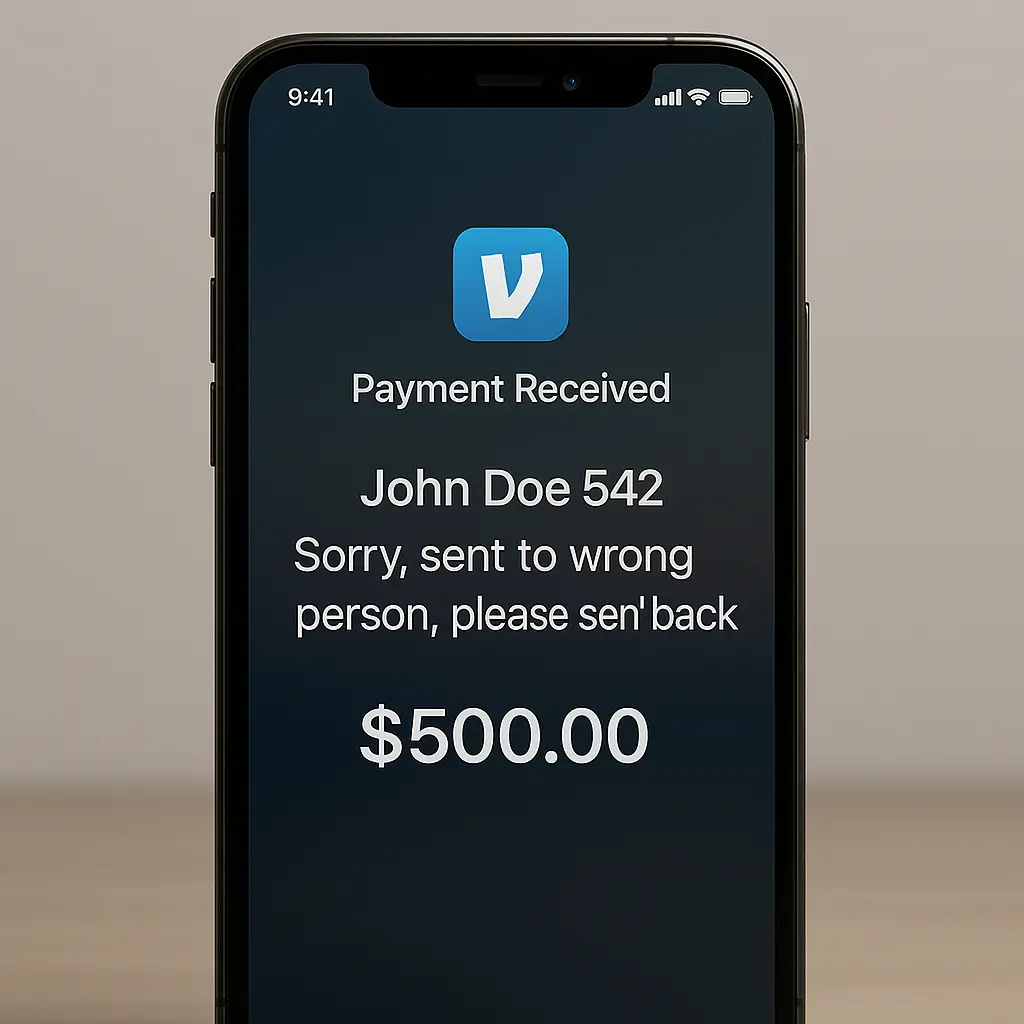
Zelle, Venmo, and Cash App work differently. They move money directly from your account to the recipient's account. No intermediary. No promise. No dispute window. The transaction is instant and irreversible by design. The systems assume you know the recipient, trust them, and want the money to arrive immediately.
Wire transfers operate the same way. You instruct your bank to send funds. The bank sends them. The recipient's bank receives them. The transaction completes in hours or minutes. Once the money lands, it's the recipient's money. Your bank has no mechanism to pull it back.
Gift cards are worse. You buy a card loaded with value. You give someone the code. They redeem it. The retailer treats redemption as final. No refunds. No disputes. The card is cash.
Cryptocurrency transactions are final at the protocol level. Once a transaction confirms on the blockchain, it's permanent. No bank. No intermediary. No one to call. The system is designed to prevent reversals.
These payment methods share one characteristic: finality. They're built for situations where you know the recipient, trust them completely, and want the money to arrive instantly without friction. They're not built for situations where you might need to dispute the transaction later.
What Fraud Protections Actually Cover
The FTC tracks fraud losses through the Consumer Sentinel Network, which aggregates reports from consumers, law enforcement, and other agencies. In 2024, consumers reported losing around $10 billion to fraud. The most common payment methods were wire transfers, payment apps, gift cards, and cryptocurrency.
Those payment methods appear repeatedly in fraud reports for one reason: they offer no recourse.
Credit card fraud protections exist because federal law requires them. The Fair Credit Billing Act limits your liability for unauthorized credit card charges to $50. In practice, most issuers waive even that. If someone steals your card number and racks up charges, you dispute them, the issuer investigates, and you're not liable.
Debit card protections are weaker but still present. The Electronic Fund Transfer Act limits liability if you report unauthorized transactions quickly. The limits are higher than credit cards, and the dispute process is slower, but you have some recourse.
Payment apps like Zelle operate under different rules. The Consumer Financial Protection Bureau has pushed banks to improve protections, but the fundamental mechanism hasn't changed. If you authorize a payment, even under false pretenses, the system treats it as legitimate. Zelle's terms are explicit: the service is for sending money to people you know and trust. If you send money to a stranger and they disappear, that's not fraud from the platform's perspective. That's you making a bad decision.
Wire transfer fraud protections are similarly limited. Banks will investigate if you report the fraud immediately, before the recipient withdraws the funds. But once the money leaves the recipient's account, recovery is unlikely. International wire transfers are even harder to reverse.
Gift card fraud has no protections at all. Retailers treat redemption as final. If you bought a gift card and gave the code to a scammer, the retailer has no obligation to refund you. The card is cash. Once redeemed, it's gone.
The pattern is consistent: payment methods designed for speed and convenience offer minimal fraud protections. The systems assume you're making informed decisions. When you're not, you bear the loss.
How Scammers Exploit Payment Finality
Scammers don't target payment methods randomly. They choose the ones with no recourse. That's not coincidence. That's strategy.
Government imposter scams work by creating urgency. Someone calls claiming to be from the IRS, Social Security Administration, or local police. They say you owe back taxes, your Social Security number is compromised, or there's a warrant for your arrest. They demand immediate payment via wire transfer, gift card, or cryptocurrency. The threat is immediate. The consequence is severe. The payment method is final.
The scam works because the victim believes the threat is real and the payment method is required. In reality, government agencies don't demand payment over the phone. They send letters. They don't threaten arrest for unpaid taxes. They don't accept gift cards. But the urgency overrides skepticism.
Romance scams follow a different pattern but exploit the same payment finality. The scammer builds trust over weeks or months, then manufactures an emergency. They need money for a medical crisis, a business opportunity, or travel expenses. They ask for a wire transfer or cryptocurrency payment. The victim sends it. The scammer disappears.
The FBI's Internet Crime Complaint Center reports that romance scams generated around $650 million in reported losses in 2023. The actual number is likely higher, since many victims don't report. The payment methods are almost always wire transfers, cryptocurrency, or gift cards.
Tech support scams use a similar playbook. The scammer calls claiming to be from Microsoft, Apple, or your antivirus company. They say your computer is infected, your account is compromised, or your subscription is expiring. They offer to fix the problem for a fee. They ask for payment via gift card or wire transfer. The victim pays. The scammer provides no service and disappears.
The common thread is payment method. Scammers don't ask for credit card numbers, because credit cards have dispute rights. They ask for payment methods with finality. Once you send the money, it's theirs.
The Urgency Mechanism
Scammers manufacture urgency because urgency prevents verification. If you have time to think, you'll call your bank, check with family, or search online for information about the scam. If you don't have time, you act on emotion.
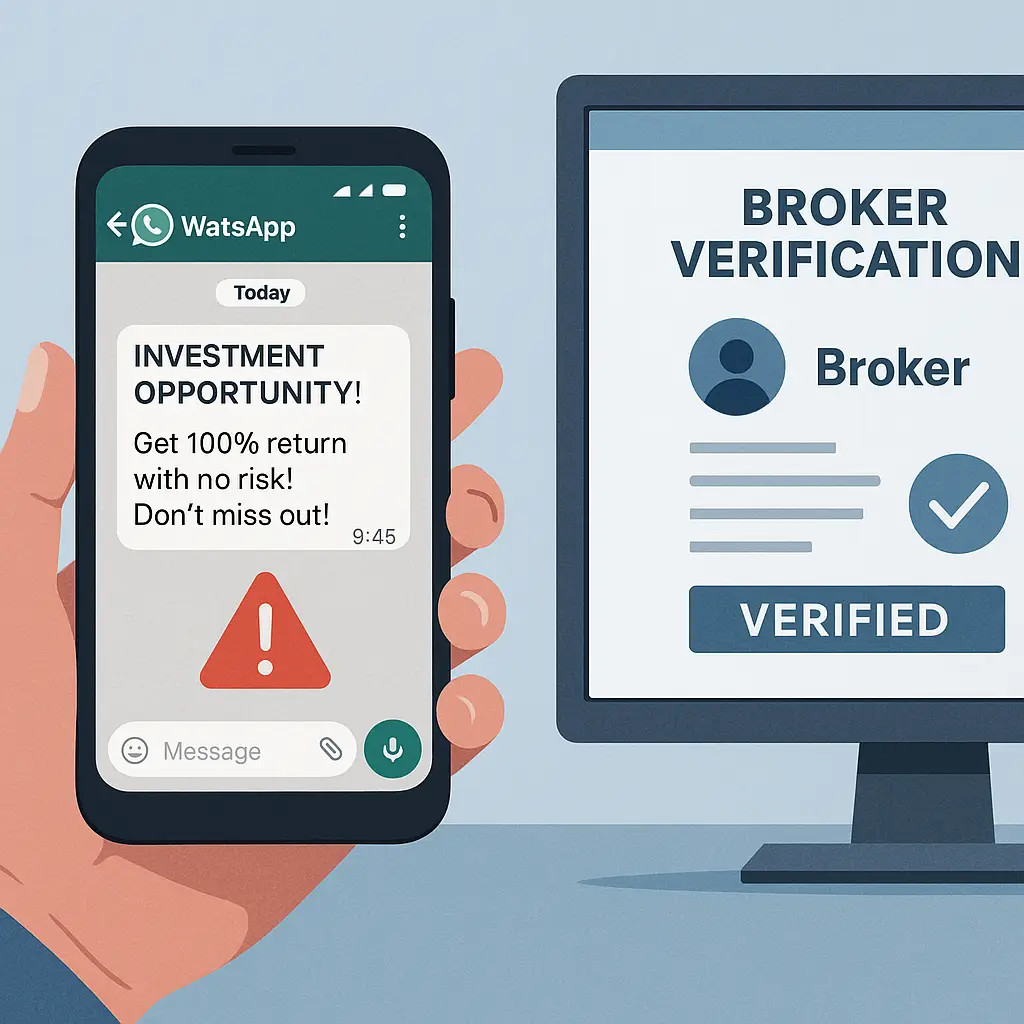
The urgency takes different forms depending on the scam. Government imposters threaten arrest or legal action. Romance scammers create medical or travel emergencies. Tech support scammers claim your computer is actively infected. Investment scammers offer time-limited opportunities.
The mechanism is consistent: create a scenario where delay means disaster. Then demand immediate payment through a method with no recourse.
In The Sting, the con artists use urgency to prevent the mark from thinking clearly. They create a fake betting parlor, stage a rigged horse race, and pressure the mark to place a large bet before the race ends. The mark doesn't have time to verify the setup. The urgency overrides skepticism.
The same dynamic applies to financial fraud. Scammers don't give you time to verify because verification would expose the scam. They push for immediate action using a payment method that can't be reversed.
What Independent Verification Actually Means
The defense against payment fraud is verification through an independent channel. That sounds abstract. Here's what it means in practice.
If someone calls claiming to be from your bank, hang up and call the number on the back of your card. Don't use the number they provide. Don't call back the number that appeared on caller ID, because caller ID can be spoofed. Use the number you know is legitimate.
If a family member texts asking for emergency funds, call them directly. Don't reply to the text. Don't use a number they provide in the message. Call the number you have saved for them. If they don't answer, call another family member to verify the request.
If someone emails claiming to be from a company you do business with, don't click links in the email. Open a browser, type the company's URL manually, and log in through the official site. Check your account for alerts or messages. If there's no alert, the email is fake.
Independent verification means using a communication channel that you control, not one the requester provides. The requester gives you a phone number, an email address, a website link. You ignore all of it and use the contact information you already have.
This works because scammers can't control channels they don't provide. They can send you a fake email. They can't fake your bank's official website when you type the URL yourself. They can text you a fake number. They can't fake your family member's voice when you call the number you've had for years.
The verification step breaks the urgency mechanism. If the request is legitimate, the delay doesn't matter. If the request is fake, the delay exposes it.
Payment Methods and Reversibility
Not all payment methods are equally risky. The risk correlates directly with reversibility.
Credit cards offer the strongest protections. Federal law limits liability. Issuers provide dispute processes. Merchants have to prove they delivered. If you pay a scammer with a credit card, you can dispute the charge and likely win.
Debit cards offer weaker protections but still provide some recourse. Report unauthorized transactions quickly, and you're covered under the Electronic Fund Transfer Act. The limits are higher than credit cards, but you have a path to recovery.
Payment apps like Zelle, Venmo, and Cash App offer minimal protections for authorized transactions. If you send money voluntarily, even under false pretenses, you're unlikely to recover it. Zelle's terms explicitly state the service is for people you know and trust.
Wire transfers offer no consumer protections. If you authorize a wire transfer and the recipient withdraws the funds, recovery is unlikely. International wire transfers are even harder to reverse.
Gift cards offer zero recourse. Redemption is final. Retailers treat gift card codes like cash. Once redeemed, the value is gone.
Cryptocurrency transactions are irreversible by design. No intermediary. No dispute process. No one to call. Once a transaction confirms on the blockchain, it's permanent.
The pattern is clear: the more convenient and final the payment method, the less recourse you have when things go wrong. Scammers exploit that pattern by demanding payment through the methods with the least recourse.
What to Do Before Sending Money
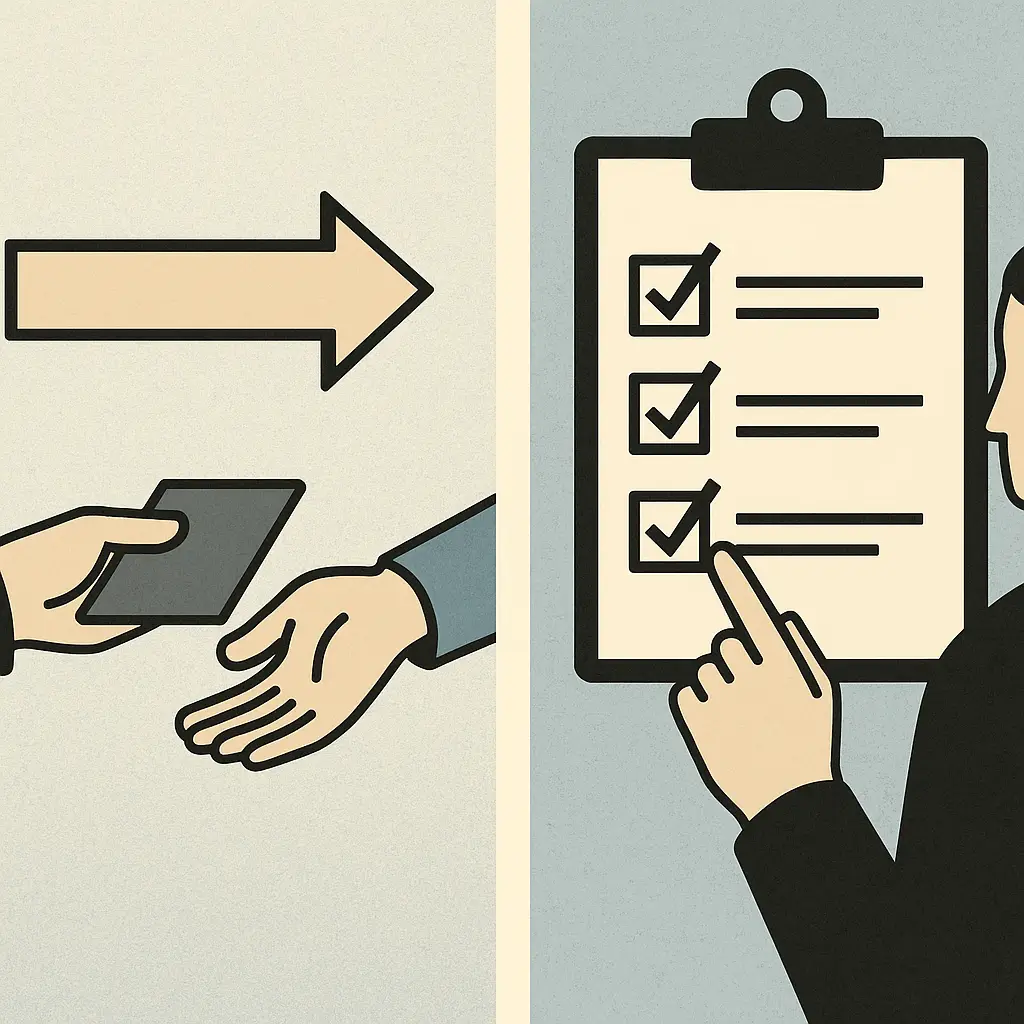
Here's the practical checklist. Run through it before authorizing any payment to someone you don't know personally.
First, verify the request through an independent channel. If someone calls, hang up and call back using a number you trust. If someone texts, call them directly. If someone emails, log in to your account through the official website. Don't use contact information from the request itself.
Second, ask yourself why they're asking for this payment method. If your bank needs a payment, they'll let you pay with a credit card or debit card through their website. If a government agency needs a payment, they'll send a bill you can pay online. If a legitimate business needs a payment, they'll accept credit cards. No legitimate organization demands payment via gift card, wire transfer, or cryptocurrency.
Third, slow down. Urgency is a red flag. Legitimate requests don't evaporate if you take an hour to verify. Scam requests do. If someone says you must act immediately or face consequences, that's a signal to pause, not accelerate.
Fourth, check the payment method's reversibility. If you're using Zelle, wire transfer, gift card, or cryptocurrency, you have no recourse if the recipient is a scammer. If you're using a credit card, you have dispute rights. Choose the method with the most protection.
Fifth, report the scam. The FTC's ReportFraud.ftc.gov collects reports and shares data with law enforcement. The FBI's IC3 handles internet crime complaints. Reporting doesn't guarantee recovery, but it helps authorities track patterns and warn others.
Why This Keeps Working
Payment fraud succeeds because the infrastructure prioritizes convenience over safety. Zelle moves money instantly because consumers want instant transfers. Wire transfers complete in hours because businesses need fast international payments. Gift cards are redeemable immediately because retailers want frictionless redemption.
The systems aren't broken. They're working as designed. The problem is that design assumes informed users making voluntary decisions. When users aren't informed, when decisions aren't voluntary, the systems have no fallback.
Scammers exploit that gap. They use urgency to prevent verification. They demand payment methods with no recourse. They disappear before the victim realizes what happened.
The defense is simple but requires discipline: verify independently, slow down, and choose reversible payment methods when dealing with anyone you don't know personally. The advice sounds obvious until you're in the moment, facing a fake crisis, pressured to act immediately. That's when the mechanism breaks down.
The systems won't protect you. The payment methods won't protect you. Verification is the only defense that works.