Venmo, Zelle, Cash App: which one actually protects you from fraud
You're splitting dinner with friends. Someone says "Just Venmo me." Another says "I only use Zelle." A third asks for your Cash App handle. You pull out your phone and wonder: does it actually matter which one you use?
It does. These apps look similar, tap a name, enter an amount, send money, but they handle fraud, privacy, and liability in fundamentally different ways. Those differences don't matter when you're paying back your roommate for groceries. They matter a lot when something goes wrong.
Here's how Venmo, Zelle, and Cash App compare on the security and privacy questions that actually affect you.
The fundamental architecture difference
Venmo and Cash App are intermediaries. When you send money, it moves from your funding source into the app's system, sits there briefly, then moves to the recipient. Both apps hold balances. You can keep money in your Venmo or Cash App account, spend it directly, or transfer it to your bank.
Zelle is a direct bank transfer protocol. When you send money through Zelle, it moves straight from your bank account to the recipient's bank account. Zelle doesn't hold funds. It's a messaging layer that tells banks to move money between accounts they already control.
This architectural difference shapes everything else. Venmo and Cash App can reverse transactions because they control the money during transfer. Zelle can't reverse anything because it never held the funds, the money moved between banks, and Zelle was just the instruction mechanism.
That doesn't make Zelle safer or more dangerous. It makes Zelle different in ways that matter when fraud happens.
Fraud protection: what each app actually covers
All three apps distinguish between unauthorized transactions (someone hacked your account and sent money without your knowledge) and authorized transactions (you sent money yourself, but the recipient turned out to be a scammer).
For unauthorized transactions, all three platforms offer some protection. If someone breaks into your account and drains it, you can file a dispute. Federal law requires banks to investigate unauthorized electronic fund transfers, and researchers have found that most major platforms follow similar procedures for account takeover claims.
For authorized transactions, the ones where you willingly sent money to someone who then scammed you, protection is minimal to nonexistent.
Venmo offers Purchase Protection for transactions marked as purchases (not personal payments) made through authorized merchant accounts. This covers you if the item never arrives or doesn't match the description. It doesn't cover personal payments, even if the recipient ghosts you after you send money.
Cash App offers similar protection for payments marked as goods or services through Cash App Pay. The protection doesn't extend to peer-to-peer payments sent to individuals.
Zelle offers no fraud protection for authorized payments. The network's position is straightforward: Zelle is for sending money to people you know and trust. If you authorize a payment, Zelle considers it final. Some banks that offer Zelle have started reimbursing scam victims as a customer service gesture, but that's the bank's decision, not Zelle's policy.
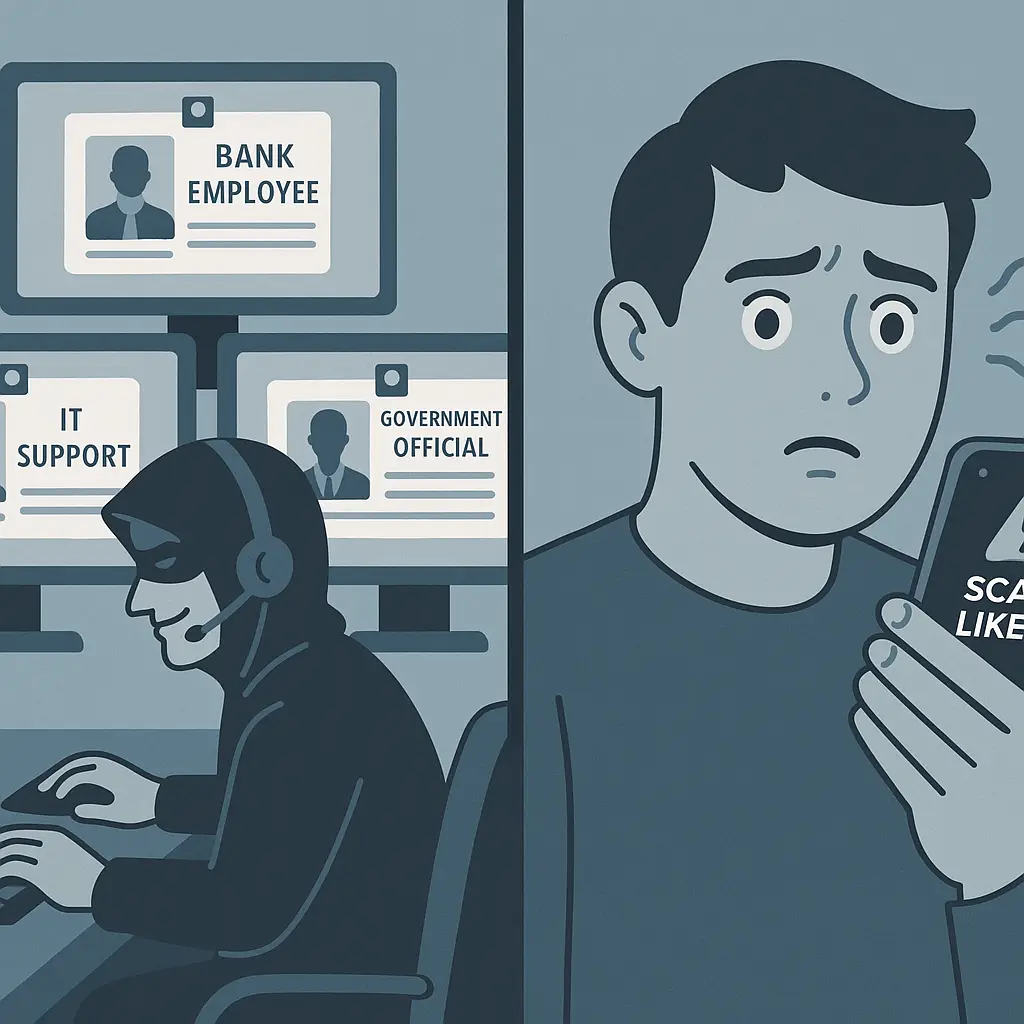
The FTC has documented how payment app scams work. Scammers pose as sellers, romantic interests, tech support, or authority figures. They convince you to send money willingly. Once you tap "send," the transaction is authorized. The app sees it as legitimate. Your dispute gets denied.
The liability gap that matters
When you pay with a credit card and get scammed, Regulation Z gives you the right to dispute the charge. The burden of proof shifts to the merchant. You're not liable for unauthorized charges over $50, and in practice, most issuers waive even that.
When you pay with a debit card, Regulation E provides some protection, but the timeline matters. Report unauthorized transactions within two business days and your liability caps at $50. Wait longer and you could lose up to $500. Wait more than 60 days after your statement and you might lose everything.
When you pay with Venmo, Zelle, or Cash App, you're often using a debit card or bank account as the funding source, which means Regulation E should apply, but only for unauthorized transactions. If you authorized the payment, even to a scammer, Regulation E doesn't help you.
This is the liability gap. You sent the money yourself. The app considers the transaction authorized and complete. Your bank sees a legitimate debit from your account to the payment app. There's no fraud from the bank's perspective, because you told the app to send the money, and the app did what you asked.
Some people have successfully disputed payment app scams by claiming the transaction was unauthorized, arguing that the scammer tricked them into sending money, which makes it fraud, not an authorized payment. Success depends on your bank, your state's consumer protection laws, and how you frame the dispute. It's not a reliable path to recovery.
The Consumer Financial Protection Bureau has received complaints about all three platforms, with common themes: scams that look like legitimate transactions, disputes that get denied, and money that disappears with no recourse.
Privacy: who sees what
Venmo defaults to public. When you send or receive money, the transaction appears in a social feed visible to your Venmo friends (and potentially the broader public, depending on your settings). The feed shows who paid whom, when, and the note you attached. It doesn't show the amount unless you're directly involved in the transaction.
This design makes Venmo feel social, you can see your friends paying each other for concert tickets, splitting brunch, settling bets, but it also leaks information. Your transaction history becomes semi-public data. Anyone can see who you interact with financially, which reveals social connections, habits, and routines.
You can change Venmo's privacy settings to make all transactions private, visible only to you and the other person involved. Most people don't. The default is public, and defaults stick.
Cash App and Zelle keep transactions private by default. Only you and the recipient see the payment. There's no social feed, no public transaction history.
All three apps collect extensive data about you: transaction history, contacts, device information, location (if you grant permission), and behavioral patterns. They use this data internally for fraud detection, product development, and advertising. Venmo and Cash App are owned by financial companies (PayPal and Block, respectively) that monetize data in various ways. Zelle is owned by a consortium of banks that already have your financial data.
Privacy policies for all three platforms reserve the right to share data with affiliates, service providers, and in response to legal requests. None of them sell your transaction data directly to third parties, but the boundaries between "sharing with affiliates for business purposes" and "selling" are blurry enough that the practical difference is small.
If transaction privacy matters to you, avoid Venmo's public feed. If data collection matters, understand that all three apps harvest extensive information regardless of their transaction visibility settings.
The scams that target payment apps
Payment app scams follow predictable patterns. The FBI's Internet Crime Complaint Center has documented thousands of cases. Here's what actually happens:
Fake seller scams. You see an item listed on a marketplace or social media. The seller asks you to pay via Venmo, Zelle, or Cash App instead of using the platform's payment system. You send money. The item never arrives. The seller blocks you. You file a dispute. The app denies it because you authorized the payment.
Impersonation scams. Someone contacts you pretending to be a bank, the IRS, a utility company, or a family member in crisis. They pressure you to send money immediately via payment app. You comply. The scammer disappears. The app won't reverse the transaction because you authorized it.
Overpayment scams. Someone sends you money "by mistake" or pays you more than agreed for an item you're selling. They ask you to return the excess via payment app. You send it. Their original payment gets reversed (it was fraudulent), but your refund payment stays gone.
Romance scams. You meet someone online. They build trust over weeks or months. Eventually they need money for an emergency, a business opportunity, or travel to meet you. You send money via payment app. They vanish. The app considers it an authorized gift.
The common thread: you authorized the payment. The app did what you told it to do. From the platform's perspective, there's no fraud to reverse.
Scammers prefer payment apps over credit cards because payment apps offer weaker dispute rights and faster finality. Once you send money peer-to-peer, it's effectively gone.
The cultural reference that fits
In Ocean's Eleven, the team spends most of the movie planning the casino heist, but the actual vault robbery depends on one critical factor: they need to move the money before the casino realizes it's gone. The security systems, the guards, the cameras, all of that matters less than the speed of the transfer. Get the money out fast enough, and the casino's defenses become irrelevant.
Payment apps work the same way, but in reverse. The speed that makes them convenient for legitimate transfers makes them perfect for scammers. By the time you realize something's wrong, the money is already gone, sitting in an account you can't reach, often already moved again to another account or converted to something harder to trace. The app's security features, two-factor authentication, biometric login, transaction alerts, protect your account from unauthorized access, but they do nothing to stop you from authorizing a transfer to a scammer. The vault is secure, but you opened it yourself and handed over the contents.
What you can actually control
You can't change how these apps handle fraud. You can control how you use them.
Link a credit card, not a debit card or bank account. Credit cards offer stronger fraud protection and dispute rights. If you get scammed, your credit card issuer can reverse the charge. If you linked a debit card or bank account, your options are limited. Some apps charge fees for credit card funding, but the fee is cheaper than losing the entire payment to a scammer.
Only send money to people you know in real life. This is the advice all three platforms give, and it's correct. If you've never met someone face-to-face, don't send them money via payment app. Use a platform with buyer protection instead.
Verify requests through a different channel. If someone texts you asking for money, even if it looks like a friend or family member, call them or message them on a different platform before sending anything. Scammers compromise accounts and impersonate people you trust.
Treat payment apps like cash. Once you send money, assume it's gone. Don't send payment for goods or services unless you're comfortable with the risk that you might never see either the item or your money again.
Check your transaction history regularly. Unauthorized transactions are easier to dispute if you catch them fast. Review your payment app activity weekly, not monthly.
Enable all available security features. Two-factor authentication, biometric login, transaction notifications, turn them all on. They won't stop you from authorizing a bad payment, but they'll make it harder for someone else to access your account.
Understand what "purchase protection" actually covers. Venmo and Cash App offer limited protection for transactions marked as purchases through authorized merchants. Read the terms. Know what's excluded. Don't assume the protection extends to personal payments.
When to use which app
Use Venmo when you're splitting costs with friends and don't care if the transaction is visible to others. The social feed is a feature for some people, a privacy leak for others. Decide which camp you're in.
Use Cash App when you want a private peer-to-peer payment with someone you know and trust. It's fast, simple, and keeps transactions out of public view.
Use Zelle when you're moving money between your own accounts at different banks, or sending money to someone you know well. Zelle is the fastest option for bank-to-bank transfers, but it offers the least fraud protection.
Use a credit card for anything that involves a stranger, a business transaction, or a purchase where you might need to dispute the charge later. The fraud protection and dispute rights are worth the extra step.
Don't use any of these apps for transactions with people you don't know, payments that feel urgent or pressured, or situations where someone insists on a specific payment method. Those are red flags.
What happens when you dispute a transaction
When you file a dispute with Venmo, Zelle, or Cash App, the platform investigates. The process varies, but the outcome usually depends on whether the transaction was authorized.
For unauthorized transactions, someone accessed your account without permission, the platform will typically reverse the payment if you can demonstrate that you didn't authorize it. You'll need to explain how the unauthorized access happened, provide evidence if possible, and file the dispute quickly. The FTC recommends reporting fraud immediately to improve your chances of recovery.
For authorized transactions, disputes rarely succeed. The platform sees that you logged in, entered the recipient's information, confirmed the amount, and completed the transfer. From their perspective, you got exactly what you asked for: the money moved to the person you specified. The fact that the recipient turned out to be a scammer doesn't make the transaction unauthorized.
Some people have recovered money by disputing the underlying funding transaction with their bank or credit card issuer instead of disputing through the payment app. This works better with credit cards than debit cards or bank accounts, and success isn't guaranteed. You're arguing that the payment app charge itself was fraudulent because you were tricked into authorizing it. Some issuers accept this argument. Others don't.
The timeline matters. The faster you report fraud, the better your chances. Regulation E gives you 60 days from when your bank statement was made available to report unauthorized electronic fund transfers. After that, you lose protection. Payment apps have their own dispute deadlines, usually shorter.
The question nobody asks but should
Why do payment apps make it so easy to send money and so hard to get it back?
The answer is speed and finality. These platforms compete on convenience. Instant transfers, minimal friction, no waiting for checks to clear or wire transfers to process. That speed requires finality. If every transaction could be reversed days or weeks later, the system would bog down in disputes and fraud investigations.
Credit card networks handle this by building dispute resolution into their business model. Merchants pay fees that fund the dispute process. Chargebacks are expensive and time-consuming, but the infrastructure exists because the card networks designed it that way from the beginning.
Payment apps didn't. They optimized for peer-to-peer speed, not merchant accountability. The result is a system that moves money fast and leaves you with limited recourse when things go wrong.
That's not a bug. It's a design choice. Understanding it helps you use these apps appropriately and avoid situations where the lack of dispute rights becomes a problem.
The bottom line
Venmo, Zelle, and Cash App are useful for splitting bills, paying friends, and moving money quickly between people who trust each other. They're not suitable for transactions with strangers, purchases from sellers you haven't verified, or situations where you might need fraud protection.
The fraud protection all three platforms offer is minimal for authorized payments. If you send money willingly, even to a scammer, you probably won't get it back. The privacy differences matter if you care about transaction visibility. The liability gap matters if something goes wrong.
Use these apps like cash: only with people you know, only for amounts you can afford to lose, and only when you're certain the transaction is legitimate. For everything else, use a credit card.