Free Credit Monitoring Services Compared: What Each One Actually Protects
You've been in a breach. The company offers free credit monitoring for a year. You sign up, get a few emails, then forget about it. A year later, the service expires. You wonder if you should pay to continue, or switch to something else, or just let it lapse.
Here's the question that actually matters: what does each free credit monitoring service protect, and how do they compare when you're trying to decide which one to use?
Free credit monitoring comes from four main sources: the three credit bureaus (Equifax, Experian, TransUnion) and Credit Karma. Each monitors different data, sends different alerts, and makes money in different ways. They're not interchangeable. Understanding what each service actually checks helps you decide whether one is enough, whether you need multiples, or whether you should pay for something more comprehensive.
This comparison walks through what each service monitors, what triggers alerts, what you see in the dashboard, and what gets left out. The goal is to answer one practical question: which free service should you use, and what does it actually tell you?
What Credit Monitoring Actually Monitors
Credit monitoring services check your credit reports for changes. When something new appears, a hard inquiry, a new account, a change in credit utilization, the service sends an alert. The alert doesn't stop the fraud. It tells you fraud happened so you can respond.
The three credit bureaus, Equifax, Experian, and TransUnion, each maintain separate credit reports. Lenders report to one, two, or all three bureaus, but reporting isn't uniform. A fraudulent credit card opened in your name might appear on Equifax within days, on TransUnion a week later, and never show up on Experian. This is why monitoring one bureau leaves gaps.
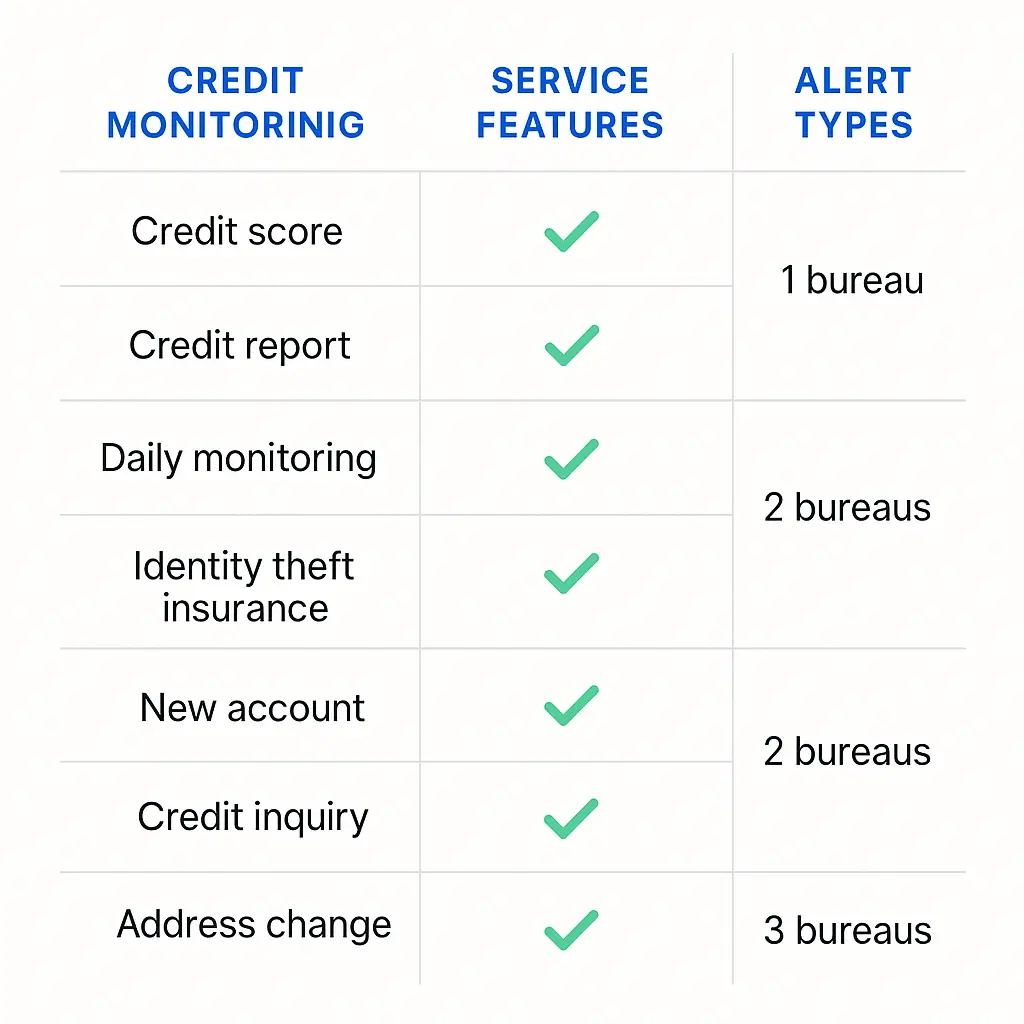
Free credit monitoring typically covers one bureau. The bureau offering the free service monitors its own data. Equifax monitors Equifax reports. Experian monitors Experian reports. TransUnion monitors TransUnion reports. Credit Karma monitors TransUnion and Equifax, but not Experian.
What gets monitored:
- Hard inquiries: when a lender pulls your credit to evaluate a loan or credit card application
- New accounts: when a creditor reports a new credit card, loan, or line of credit
- Account changes: when credit limits increase or decrease, or when accounts close
- Public records: bankruptcies, liens, judgments (though these appear less frequently on credit reports after recent changes)
- Address changes: when a creditor updates your address on file
What doesn't get monitored by most free services:
- Dark web exposure: your email, Social Security number, or passwords appearing in criminal forums or paste sites
- Bank account activity: checking or savings account fraud
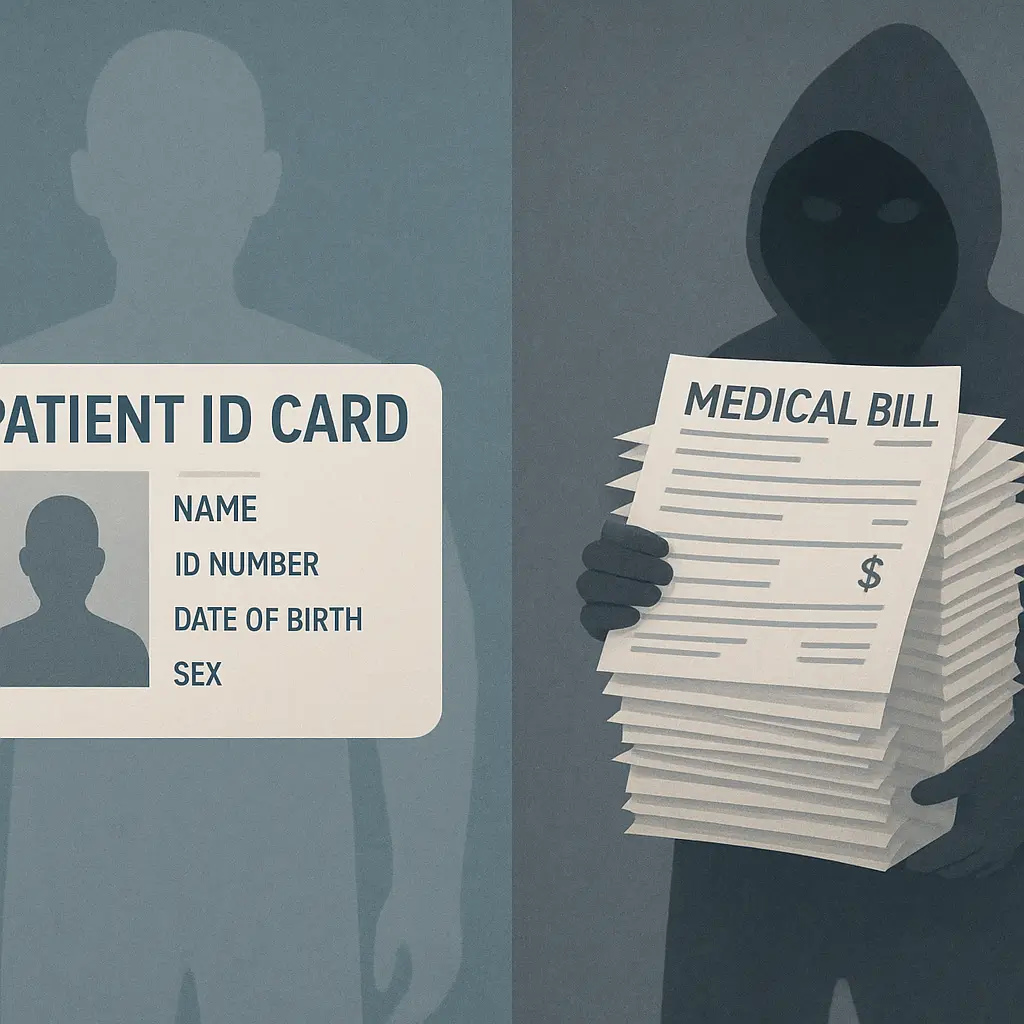
- Medical identity theft: someone using your insurance to get treatment
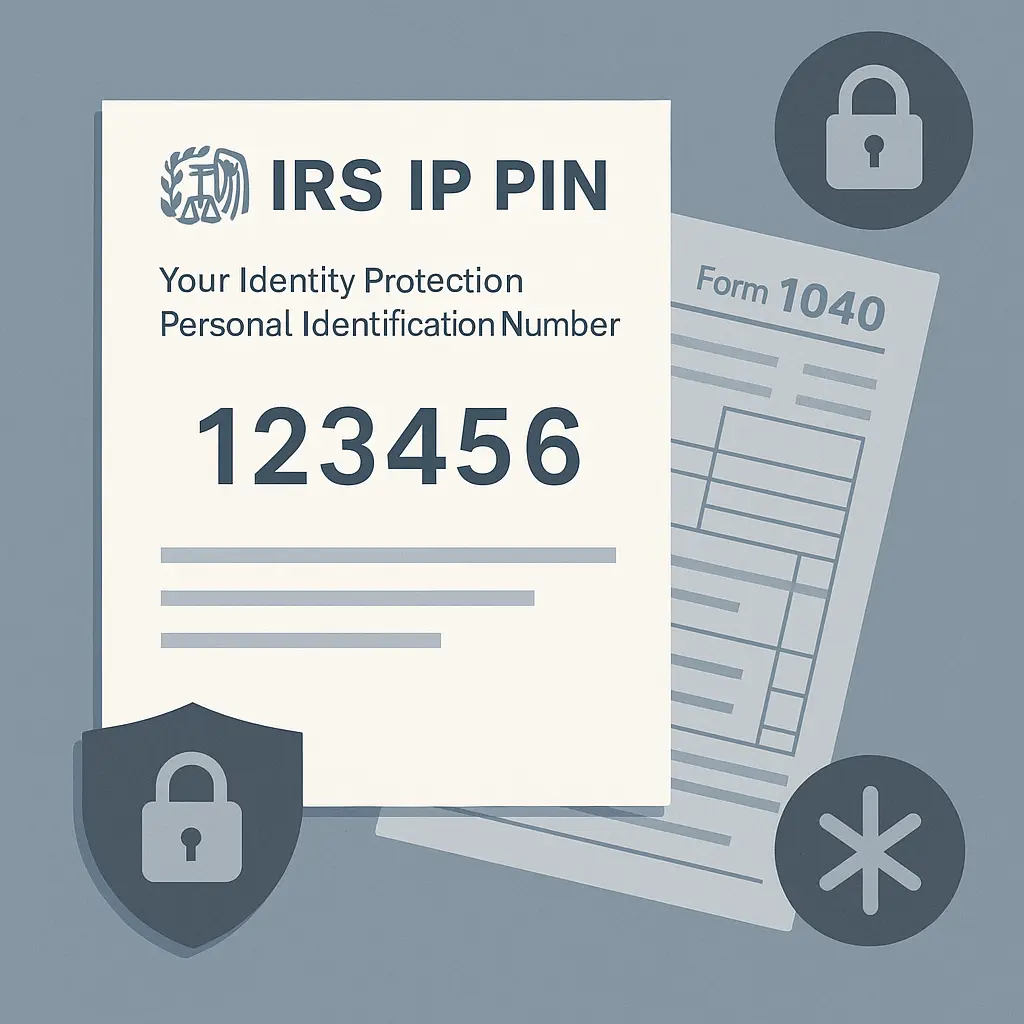
- Tax fraud: someone filing a return using your Social Security number
- Payday loan fraud: many payday lenders don't report to credit bureaus
The scope matters. If someone opens a bank account in your name, credit monitoring won't catch it. If someone uses your health insurance, credit monitoring won't catch it. If someone files taxes in your name, credit monitoring won't catch it. Credit monitoring catches credit fraud. That's a meaningful subset of identity theft, but it's not the whole picture.
Equifax Free Credit Monitoring
Equifax offers free credit monitoring through its own website and through breach settlement programs. The service monitors Equifax reports only. You get alerts when someone pulls your Equifax credit or when a new account appears on your Equifax report.
What you see:
- One credit score (VantageScore 3.0, not the FICO score most lenders use)
- Equifax credit report updates
- Hard inquiry alerts
- New account alerts
- Account change alerts
What you don't see:
- Experian or TransUnion data
- FICO scores
- Dark web monitoring (unless you're on a paid plan or a breach settlement plan that includes it)
- Social Security number monitoring
The Equifax interface is functional. You log in, check your score, review recent activity, and see alerts. The dashboard doesn't overwhelm you with upsells, but it does suggest paid upgrades. The free version is enough to catch new accounts and inquiries on Equifax reports.
Equifax makes money by selling paid monitoring plans, identity theft insurance, and credit lock services. The free service exists to drive conversions to paid plans and to fulfill legal obligations from breach settlements.
Limitations: if a creditor reports fraud to Experian or TransUnion first, Equifax monitoring won't alert you until the fraud appears on Equifax, which could be days or weeks later. Some creditors report to only one or two bureaus, so fraud might never appear on Equifax.
Experian Free Credit Monitoring
Experian offers free credit monitoring through its website. Like Equifax, it monitors only Experian reports. You get alerts for Experian hard inquiries, new accounts, and account changes.
What you see:
- One credit score (Experian's FICO Score 8, which is closer to what many lenders use than VantageScore)
- Experian credit report updates
- Hard inquiry alerts
- New account alerts
- Account change alerts
- Dark web monitoring for your email address (basic version)
What you don't see:
- Equifax or TransUnion data
- Social Security number monitoring on the dark web (unless you upgrade)
- Full identity theft insurance
The Experian interface includes more educational content than Equifax. You get tips on improving your credit score, explanations of what affects your score, and suggestions for credit cards or loans. The upsells are more aggressive. Experian pushes its paid IdentityWorks plans frequently.
Experian makes money the same way Equifax does: paid plans, credit lock services, and partnerships with lenders who pay for referrals when you apply for credit cards or loans through the Experian platform.
The FICO Score 8 access is the main advantage over Equifax. FICO scores matter more than VantageScore for most lending decisions, so seeing your FICO score for free is useful. The dark web email monitoring is basic, it checks if your email appears in known breaches, but it doesn't monitor your Social Security number or other personal data unless you pay.
Limitations: same single-bureau problem as Equifax. Fraud on TransUnion or Equifax won't trigger Experian alerts.
TransUnion Free Credit Monitoring
TransUnion offers free credit monitoring through its website and through third-party partnerships. It monitors TransUnion reports only.
What you see:
- One credit score (VantageScore 3.0)
- TransUnion credit report updates
- Hard inquiry alerts
- New account alerts
- Account change alerts
What you don't see:
- Equifax or TransUnion data
- FICO scores
- Dark web monitoring (on the free plan)
- Social Security number monitoring
The TransUnion interface is similar to Equifax: clean, functional, not overwhelming. The free plan is straightforward. You check your score, review your report, and get alerts. The upsells are present but not as aggressive as Experian.
TransUnion makes money through paid TrueIdentity plans, credit lock services, and partnerships with lenders. The free service drives conversions to paid plans.
Limitations: single-bureau monitoring. Fraud on Equifax or Experian won't show up until it propagates to TransUnion, if it ever does.
Credit Karma: The Outlier
Credit Karma is different. It's not a credit bureau. It's a financial technology company that pulls data from TransUnion and Equifax, shows you that data for free, and makes money by recommending credit cards, loans, and financial products tailored to your credit profile.
What you see:
- Two credit scores (VantageScore 3.0 from TransUnion and Equifax)
- TransUnion and Equifax credit report updates
- Hard inquiry alerts from both bureaus
- New account alerts from both bureaus
- Account change alerts from both bureaus
What you don't see:
- Experian data
- FICO scores
- Dark web monitoring
- Social Security number monitoring
- Identity theft insurance
The Credit Karma interface is the most polished of the free services. It's designed for frequent use. You see your scores, track changes over time, get personalized recommendations for credit cards or loans, and receive alerts when something changes on either TransUnion or Equifax.
The tradeoff: Credit Karma makes money by showing you offers. When you see a credit card recommendation, Credit Karma gets paid if you apply. The monitoring is free because you're the product. Your credit profile becomes the input for targeted marketing.
Some people find this acceptable. You get two-bureau monitoring for free, and you ignore the offers. Others find the constant marketing intrusive. The choice depends on your tolerance for being marketed to.
Credit Karma's advantage is coverage. Monitoring two bureaus instead of one catches more fraud faster. The disadvantage is the missing Experian data and the absence of FICO scores. If a lender reports fraud to Experian first, Credit Karma won't catch it.
The Three-Bureau Problem
Here's the core issue: no free service monitors all three bureaus.
Credit Karma monitors two (TransUnion and Equifax). The bureaus monitor only their own data. If you want three-bureau monitoring for free, you need to use multiple services.
The practical approach:
- Sign up for Credit Karma (covers TransUnion and Equifax)
- Sign up for Experian free monitoring (covers Experian)
This gives you three-bureau coverage using two free services. You'll get alerts from both platforms, which means more emails, but you'll catch fraud on any bureau within a day or two of it appearing.
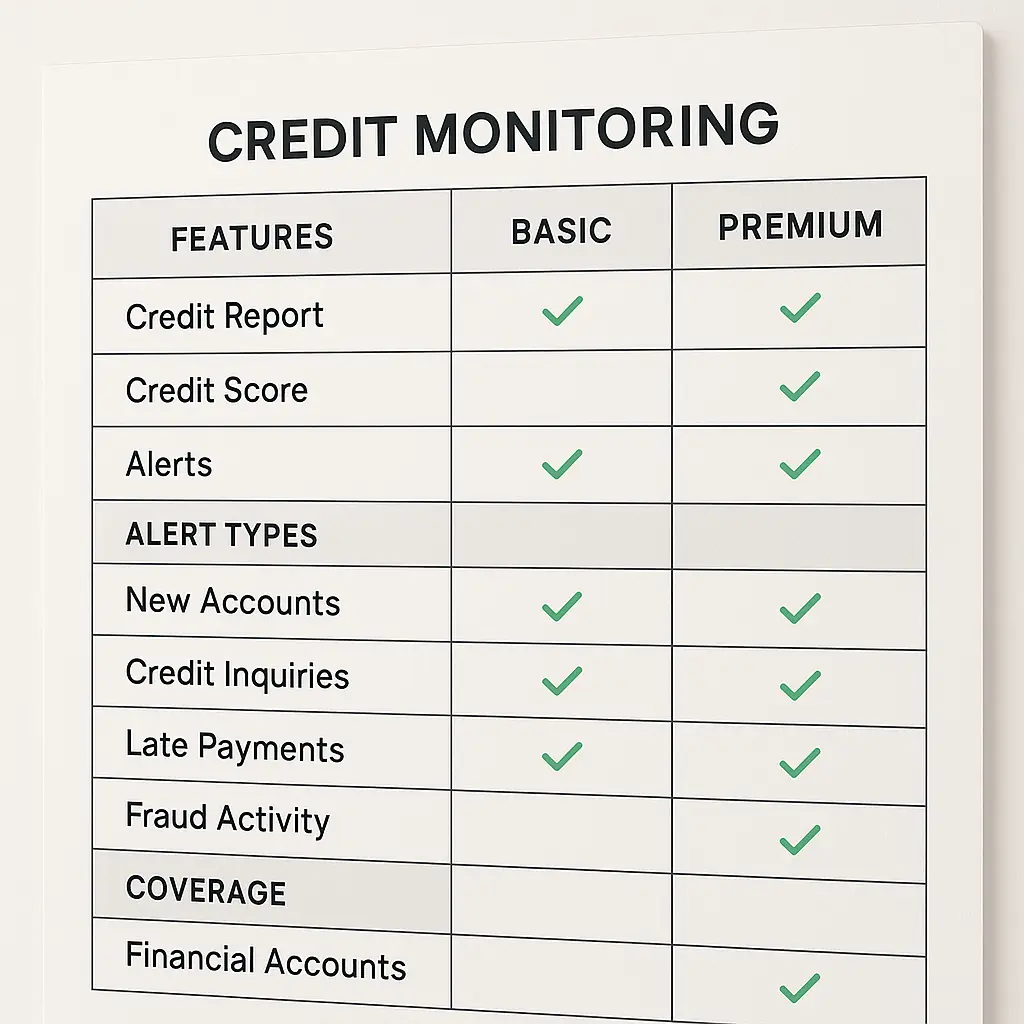
The alternative is paying for a service like NordProtect, which monitors all three bureaus in one dashboard and adds dark web monitoring, Social Security number alerts, and identity theft insurance. The paid services consolidate everything, reduce alert fatigue, and add features free services don't offer. Whether that's worth the monthly fee depends on your risk tolerance and whether you want to manage multiple free accounts.
What Triggers Alerts (and What Doesn't)
Understanding what triggers alerts helps you interpret them correctly.
Hard inquiries: when someone applies for credit in your name, the lender pulls your credit report. This creates a hard inquiry. Credit monitoring services send an alert within 24 hours. Hard inquiries are the earliest warning sign of credit fraud. If you see an inquiry you didn't authorize, you know someone tried to open an account.
New accounts: when a creditor approves an application and reports the new account to a bureau, credit monitoring sends an alert. This happens after the account opens, which means the fraud already succeeded. The alert lets you dispute the account and prevent further damage.
Account changes: when a credit limit increases, when an account closes, or when a balance changes significantly, some services send alerts. These alerts catch fraud on existing accounts, someone raising your credit limit to make larger purchases, for example.
Address changes: when a creditor updates your address, some services alert you. Address changes often precede fraud. Thieves change your address so statements go to them instead of you, buying time before you notice the fraud.
What doesn't trigger alerts:
- Soft inquiries: when you check your own credit, when a lender pre-approves you for an offer, or when an employer does a background check, it creates a soft inquiry. Soft inquiries don't affect your credit score and don't indicate fraud, so monitoring services don't alert you.
- Payday loans: many payday lenders don't report to credit bureaus, so payday loan fraud won't trigger alerts.
- Bank account fraud: checking and savings accounts don't appear on credit reports.
- Utility fraud: someone opening a utility account in your name might not show up on your credit report unless the account goes to collections.
The timing of alerts matters. Credit monitoring services check your reports daily, but creditors don't report to bureaus instantly. A fraudulent credit card might open on Monday, get reported to TransUnion on Wednesday, and trigger an alert on Thursday. The lag between fraud and detection is usually a few days, sometimes longer.
Dark Web Monitoring: What It Actually Checks
Some free services include basic dark web monitoring. Experian's free plan checks if your email address appears in known data breaches. Credit Karma doesn't offer dark web monitoring at all. The bureaus' free plans don't include it unless you're on a breach settlement plan.
Dark web monitoring scans criminal forums, paste sites, and breach databases for your personal information. When your data appears, the service alerts you.
What basic dark web monitoring checks:
- Your email address in known breaches
- Passwords associated with your email (sometimes)
What it doesn't check (unless you pay):
- Your Social Security number
- Your credit card numbers
- Your driver's license number
- Your bank account numbers
- Your medical records
The free dark web monitoring is limited but useful. If your email appears in a breach, you know to change passwords on accounts using that email. But it won't catch your Social Security number circulating in criminal markets, which is the data that enables identity theft.
Paid services like NordProtect monitor Social Security numbers, credit card numbers, and other personal data. The paid monitoring casts a wider net. Whether you need that wider net depends on your exposure. If you've been in multiple breaches, paid dark web monitoring might catch fraud earlier. If you haven't been in breaches, or if you practice good password hygiene, the free email monitoring is probably enough.
Credit Scores: VantageScore vs. FICO
Free credit monitoring services show you credit scores, but the scores they show aren't always the scores lenders use.
VantageScore 3.0: used by Equifax, TransUnion, and Credit Karma. VantageScore is a scoring model created by the three bureaus as an alternative to FICO. It ranges from 300 to 850, like FICO, but it calculates scores differently. VantageScore weighs recent credit behavior more heavily than FICO does.
FICO Score 8: used by Experian's free plan and by many lenders. FICO scores are the industry standard. Around 90% of lenders use FICO scores to make lending decisions. FICO Score 8 is one of several FICO models (there's also FICO 9, FICO 10, and industry-specific FICO scores for auto loans and mortgages).
The scores aren't interchangeable. Your VantageScore might be 720 while your FICO score is 690, or vice versa. The difference comes from how each model weighs factors like payment history, credit utilization, and length of credit history.
Why this matters: if you're monitoring your VantageScore on Credit Karma and it's 750, you might assume you'll qualify for a premium credit card. But if the card issuer uses FICO Score 8 and your FICO score is 700, you might not qualify. Monitoring the wrong score creates false expectations.
Experian's free plan is the only free service that shows a FICO score. If you want to know the score most lenders see, Experian's free monitoring is the best option. If you're just tracking changes over time and not applying for credit, VantageScore is fine.
When Free Monitoring Isn't Enough
Free credit monitoring works for most people most of the time. But there are situations where free monitoring leaves gaps.
You've been in multiple breaches. If your Social Security number, date of birth, and address have appeared in multiple breaches, your risk of identity theft is higher. Free monitoring catches fraud after it happens, but paid services add dark web monitoring for Social Security numbers, which can alert you before someone opens accounts.
You're applying for a mortgage or major loan. Mortgage lenders pull all three credit reports and use the middle FICO score. If you're monitoring VantageScore on Credit Karma, you're not seeing the scores that matter. Paid services like Experian's IdentityWorks or MyFICO show you all three FICO scores, which helps you understand where you stand before applying.
You've been a victim of identity theft before. If someone has already stolen your identity once, they might try again. Paid services include identity theft insurance, which covers costs like legal fees, lost wages, and document replacement if fraud happens again. Free services don't include insurance.
You want one dashboard instead of multiple accounts. Managing Credit Karma for two bureaus and Experian for the third bureau means checking two dashboards, managing two sets of login credentials, and sorting through alerts from both services. Paid services consolidate everything. You check one dashboard, get one set of alerts, and see all three bureaus in one place.
You need faster fraud resolution. Some paid services include fraud resolution specialists who help you dispute fraudulent accounts, freeze your credit, and file FTC reports. Free services don't include hands-on support. You handle disputes yourself.
The decision comes down to risk tolerance and convenience. Free monitoring catches the fraud that matters for most people. Paid monitoring adds layers of protection and simplifies management. If you're comfortable managing multiple free accounts and handling disputes yourself, free monitoring is enough. If you want consolidated monitoring, insurance, and support, paid services deliver value.
The Credit Freeze Alternative
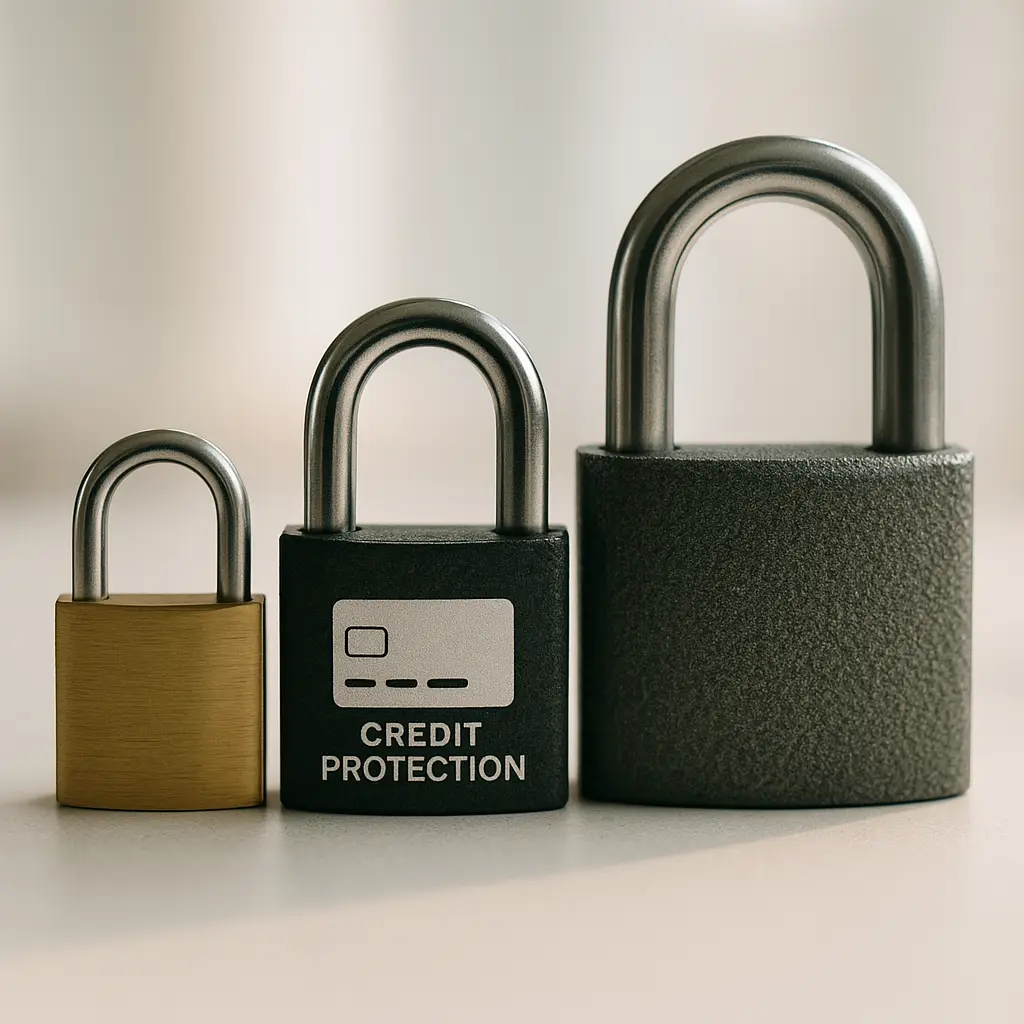
Credit monitoring detects fraud after it happens. A credit freeze prevents fraud before it happens.
When you freeze your credit at all three bureaus, lenders can't pull your credit report without your permission. If someone tries to open a credit card in your name, the application gets denied because the lender can't access your frozen report.
Freezing is free at all three bureaus. You freeze online, by phone, or by mail. When you need to apply for credit, you unfreeze temporarily using a PIN or online account.
The tradeoff: freezing is proactive but inconvenient. Every time you apply for credit, you unfreeze, wait for the lender to pull your report, then refreeze. Monitoring is reactive but passive. You get alerts, but fraud can still happen.
The strongest approach combines both. Freeze your credit at all three bureaus to prevent new account fraud. Use free credit monitoring to catch fraud on existing accounts and to track your credit health. The freeze stops most identity theft. The monitoring catches what the freeze doesn't.
How to Set Up Three-Bureau Monitoring for Free
Here's the step-by-step process to cover all three bureaus using free services.
Step 1: Sign up for Credit Karma.
- Go to creditkarma.com
- Create an account using your email, Social Security number, and date of birth
- Verify your identity by answering questions about your credit history
- Enable alerts for TransUnion and Equifax
Step 2: Sign up for Experian free monitoring.
- Go to experian.com
- Create an account using your email, Social Security number, and date of birth
- Verify your identity
- Enable alerts for Experian
Step 3: Configure alert preferences.
- In Credit Karma, go to settings and enable email or push notifications for hard inquiries, new accounts, and account changes
- In Experian, go to settings and enable the same alerts
Step 4: Check both dashboards weekly.
- Log into Credit Karma once a week to review TransUnion and Equifax reports
- Log into Experian once a week to review Experian reports
- Respond to alerts within 24 hours
This setup gives you three-bureau monitoring, two FICO scores (one from Experian), and basic dark web monitoring for your email. You manage two accounts instead of one, but you avoid paying for a service.
If you want to simplify further, consider NordProtect, which monitors all three bureaus, scans the dark web for your Social Security number, and includes $1 million in identity theft insurance. The monthly fee consolidates everything into one dashboard and adds features free services don't offer.
What to Do When You Get an Alert
An alert doesn't always mean fraud. Sometimes it's a legitimate inquiry or account change. Here's how to evaluate alerts and respond.
Hard inquiry alert:
- Check the lender name. Do you recognize it?
- Check the date. Did you apply for credit on that date?
- If you didn't authorize the inquiry, it's fraud. File a dispute with the bureau and report it to the FTC.
New account alert:
- Check the creditor name and account type. Is it yours?
- Check the opening date and credit limit. Does it match your memory?
- If you didn't open the account, it's fraud. Contact the creditor, close the account, and dispute it with the bureau. File an FTC identity theft report.
Account change alert:
- Check what changed. Did a credit limit increase? Did an account close?
- If you didn't request the change, contact the creditor to verify. Sometimes creditors increase limits automatically, which is legitimate. Other times, it's fraud.
Address change alert:
- Check the new address. Is it yours?
- If you didn't change your address, it's fraud. Contact the creditor immediately and update your address back to the correct one. Address changes often precede larger fraud.
The key is responding fast. The sooner you catch fraud, the easier it is to reverse. Alerts that sit unread for weeks become harder to dispute because the fraudulent accounts accumulate charges and interest.
The Sherlock Holmes Problem
In Arthur Conan Doyle's "The Adventure of the Copper Beeches," Holmes tells Watson that data without analysis is meaningless. Watson sees the same facts Holmes does, but he doesn't connect them. Holmes sees patterns Watson misses.
Credit monitoring is the same. You get alerts. You see scores. You review reports. But the data doesn't interpret itself. An alert about a hard inquiry from a lender you don't recognize could be fraud, or it could be a legitimate inquiry from a lender using a different name than you expected. A sudden drop in your credit score could indicate fraud, or it could be the result of a high balance you forgot to pay down.
The monitoring tools give you data. You supply the analysis. That means understanding what's normal for your credit profile, how many inquiries you usually have per year, which accounts report to which bureaus, what your typical credit utilization looks like. When something deviates from normal, you investigate.
Free credit monitoring works when you engage with it. If you sign up, get alerts, and ignore them, the monitoring does nothing. If you check your reports weekly, respond to alerts within hours, and understand what changes mean, the monitoring catches fraud early.
The services don't think for you. They report. You decide.