How to Freeze Your Credit at All Three Bureaus: Step-by-Step
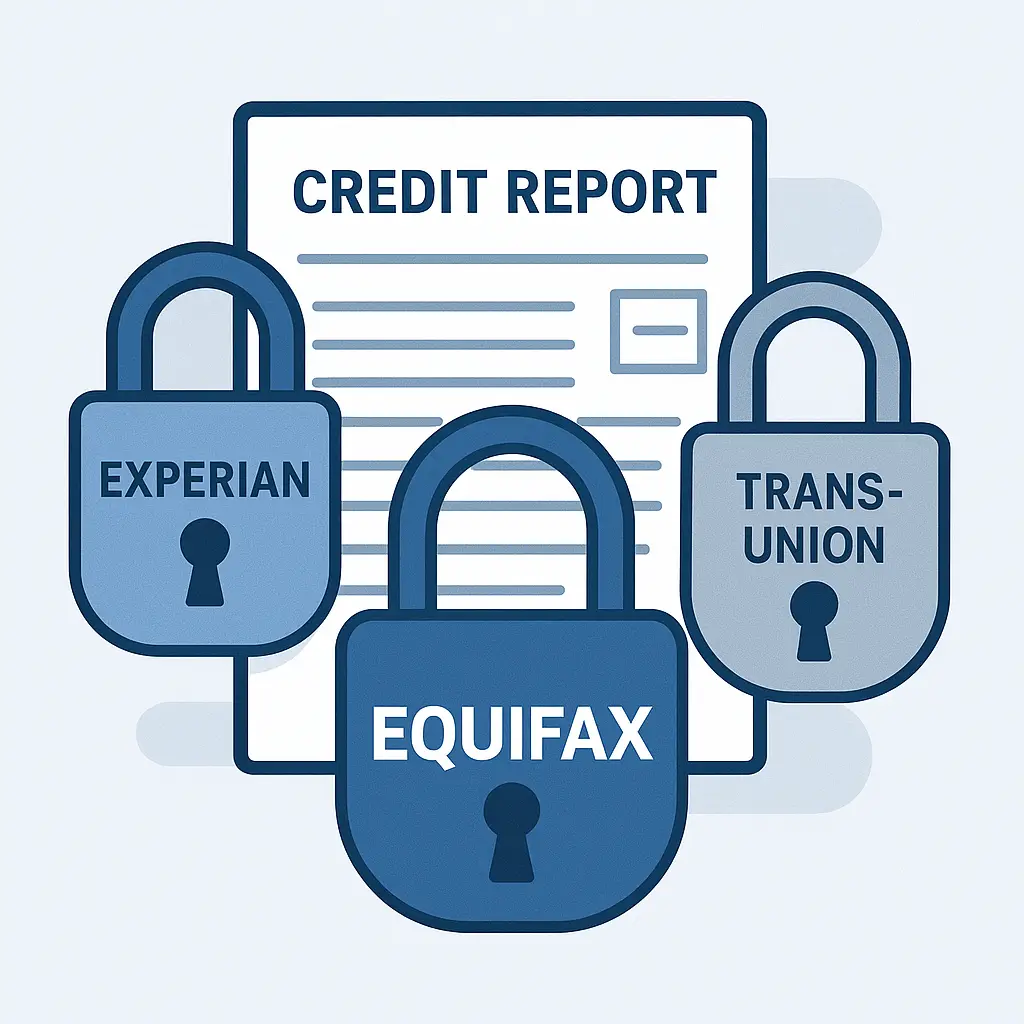
A credit freeze locks your credit file so new creditors can't access it. Without access, they can't approve applications, which means identity thieves can't open accounts in your name. The freeze doesn't stop you from using existing credit, checking your own report, or building your credit score. It just blocks new account approvals until you lift it.
The FTC describes credit freezes as the strongest tool available to prevent new account fraud. Freezes became free in 2018 under federal law, removing the last barrier to widespread use. Before that, some states charged fees, and the process varied by bureau. Now it's uniform, free, and enforceable nationwide.
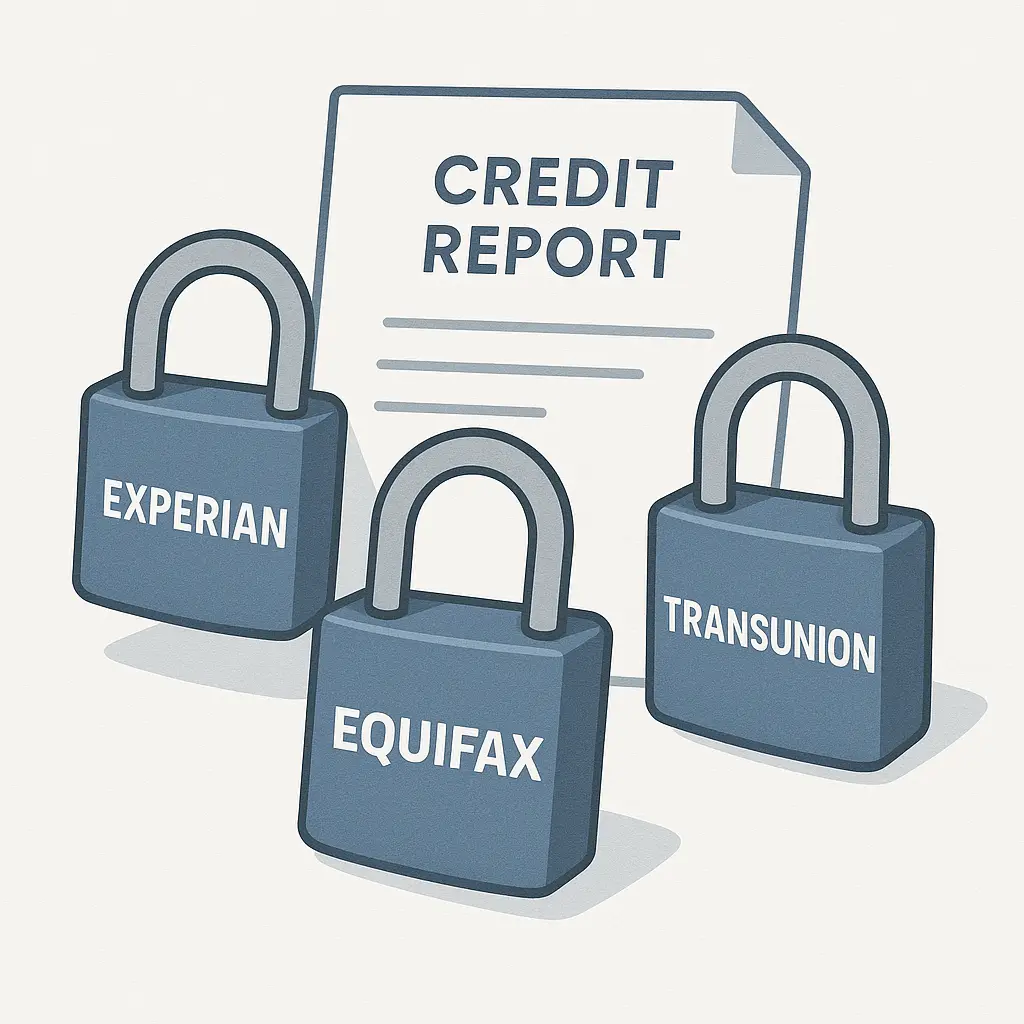
You need to freeze at all three major credit bureaus: Equifax, Experian, and TransUnion. Lenders pull from one, two, or all three depending on the type of credit and their internal policies. Freezing just one bureau leaves the others open. Freezing two still leaves a gap. All three or nothing.
This guide walks you through the exact process for each bureau, explains what happens after you freeze, and covers how to lift freezes temporarily when you need credit. You'll also learn what a freeze doesn't protect against, because understanding the limits matters as much as understanding the mechanism.
Why a Credit Freeze Works
When you apply for credit, the lender requests your credit report from one or more bureaus. The bureau checks your file, calculates a score, and sends the data back. The lender uses that information to approve or deny the application. This process happens in seconds for online applications, minutes for in-person approvals.
A freeze interrupts that process. When your credit is frozen, the bureau refuses to release your file to anyone except you and entities you've already done business with. A car dealer trying to run your credit gets a denial. A mortgage lender gets nothing. A credit card issuer submits an application and receives a message that the file is frozen.
The identity thief doesn't know your credit is frozen until they try to use your information. They fill out an application, submit it, and wait. The application fails. They move on to the next target. That's the entire defense: making your identity useless for new account fraud.
Freezes don't stop existing creditors from checking your file for account management purposes. Your credit card issuer can still review your account. Your mortgage servicer can still report payments. The freeze only blocks new credit inquiries from lenders you haven't authorized.
The mechanism is simple, which is why it works. The bureau holds your file, refuses to release it, and the fraudulent application dies before it reaches approval. No complexity, no edge cases, no workarounds for attackers who don't have your freeze PIN or login credentials.
What a Freeze Doesn't Stop
A credit freeze is narrow. It stops new credit accounts. It does not stop account takeovers, where someone gains access to an existing account and drains it. It does not stop tax fraud, where someone files a return using your Social Security number. It does not stop medical identity theft, where someone uses your insurance information for treatment. It does not stop employment fraud, where someone uses your identity to get a job.
The FTC's identity theft guidance covers these other attack vectors separately, because they require different defenses. A freeze is one tool in a larger system. It's the most effective tool for preventing new account fraud, but it's not a universal shield.
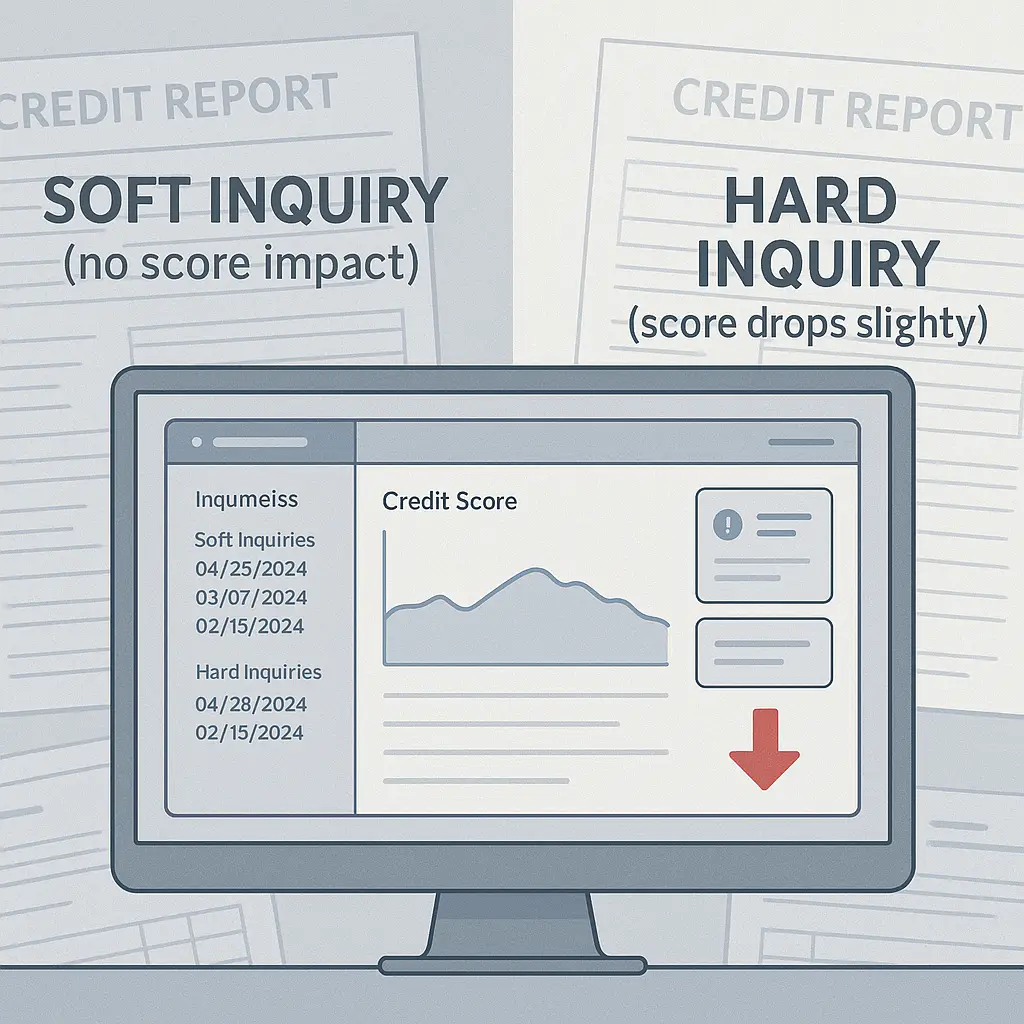
Freezes also don't affect your credit score. Your score updates based on your payment history, utilization, and account age, none of which require creditor access to your frozen file. You can still build credit, pay down balances, and improve your score while frozen.
You can still check your own credit report while frozen. The annual free credit report remains available. You can request it once per year from each bureau, freeze or no freeze. The freeze blocks third-party access, not your access.
Some people assume a freeze stops all identity theft. It doesn't. It stops one specific attack: fraudulent new account applications. That attack is common, damaging, and expensive to fix, which is why freezing matters. But it's not the only attack, and freezing alone doesn't make you invulnerable.
Freezing at Equifax
Equifax runs the freeze process through their website and phone system. You'll need to create an account if you don't have one. The process takes around 10 minutes if you have your information ready.
Go to Equifax's security freeze page. Click "Add a Security Freeze." You'll be asked to verify your identity using your name, address, Social Security number, and date of birth. Equifax may ask security questions based on your credit history. Answer them accurately.
Once verified, Equifax places the freeze immediately. You'll receive a confirmation on-screen and via email if you provided one. The confirmation includes instructions for managing the freeze later. Keep that email. You'll need it when you want to lift the freeze.
Equifax used to issue a PIN for freeze management, but they've moved to account-based access. You log in with your username and password to lift or remove the freeze. If you created your freeze before the system change, you might still have a PIN. Either method works.
If you prefer phone-based freezing, call Equifax at 1-800-349-9960. The automated system walks you through identity verification and freeze placement. It takes longer than the website, but it works if you don't want to create an online account.
After freezing, Equifax won't release your credit file to new creditors. Existing creditors can still access it for account reviews. You can still check your own report. The freeze stays in place until you lift it.
Freezing at Experian
Experian's freeze process mirrors Equifax's structure but uses a different interface. You'll create an Experian account, verify your identity, and place the freeze through their portal.
Go to Experian's security freeze page. Click "Add a Freeze." You'll be prompted to create an account or log in if you already have one. Experian asks for your name, address, Social Security number, and date of birth. They may ask additional security questions.
Once verified, Experian places the freeze immediately. You'll see a confirmation screen with instructions for lifting the freeze later. Experian sends a confirmation email if you provided an address during setup. Save that email.
Experian also moved away from PINs to account-based management. You lift or remove the freeze by logging into your account. If you placed a freeze before the system change and still have a PIN, you can use it, but account access is now the default.
For phone-based freezing, call Experian at 1-888-397-3742. The automated system handles identity verification and freeze placement. The process takes longer than the website but doesn't require account creation.
After freezing, Experian blocks new creditor access to your file. Existing creditors retain access for account management. You retain access to your own credit report. The freeze persists until you lift it.
Freezing at TransUnion
TransUnion's freeze process follows the same pattern as Equifax and Experian. You'll create an account, verify your identity, and place the freeze through their system.
Go to TransUnion's credit freeze page. Click "Start Your Freeze Online." You'll be asked to create a TransUnion account or log in if you have one. TransUnion asks for your name, address, Social Security number, and date of birth. Security questions may follow.
Once verified, TransUnion places the freeze immediately. You'll receive on-screen confirmation and an email if you provided an address. The confirmation includes freeze management instructions. Keep that email accessible.
TransUnion uses account-based freeze management. You log in to lift or remove the freeze. If you placed a freeze before the account system launched and still have a PIN, you can use it, but the account method is now standard.
For phone-based freezing, call TransUnion at 1-888-909-8872. The automated system verifies your identity and places the freeze. It's slower than the website but doesn't require an online account.
After freezing, TransUnion blocks new creditor access. Existing creditors keep access for account reviews. You keep access to your own report. The freeze remains until you lift it.
What Happens After You Freeze
Once all three bureaus are frozen, new creditors can't access your credit file. If you apply for a credit card, the issuer's inquiry gets blocked. If someone tries to open an account using your stolen information, the application fails at the credit check stage.
You'll still receive credit card offers in the mail. The freeze doesn't stop pre-approved offers, because those are based on prescreened lists that don't require full file access. If you want to stop those offers, you need to opt out separately through OptOutPrescreen.com. That's a different mechanism from freezing.
Your existing accounts continue to function normally. Credit cards work. Loans accrue interest and require payments. Mortgages don't change. The freeze only affects new applications, not existing relationships.
Your credit score updates as usual. Payment history, utilization, and account age all factor into your score regardless of freeze status. The freeze doesn't pause your credit activity; it just blocks new inquiries.
You can check your own credit report anytime. The freeze doesn't block your access to AnnualCreditReport.com or the bureaus' own report request systems. You still get one free report per year from each bureau, frozen or not.
If you apply for credit while frozen, you'll need to lift the freeze at the bureau the lender uses. Most lenders pull from one or two bureaus, not all three. You can ask the lender which bureau they check, lift that freeze temporarily, and leave the others frozen. That minimizes the window of vulnerability.
Lifting a Freeze Temporarily
When you need to apply for credit, you lift the freeze at the relevant bureau. You can lift it for a specific creditor, for a set time period, or permanently. Temporary lifts are the safest option.
Log into your account at the bureau's website. Navigate to the freeze management section. Select "Lift Freeze Temporarily." You'll be asked how long you want the lift to last. Options typically range from one day to 30 days. Choose the shortest window that covers your application.
The lift happens within minutes for online requests. Some bureaus claim instant lifts; others say "within one hour." In practice, most lifts complete in under 10 minutes. If you're applying for credit in person, lift the freeze before you leave for the appointment.
Some bureaus let you lift the freeze for a specific creditor rather than a time window. You provide the creditor's name, and the bureau allows only that creditor to access your file. This option is more precise but requires you to know which creditor the lender uses, and lenders sometimes pull from multiple bureaus under different names.
After the temporary lift expires, the freeze reinstates automatically. You don't need to do anything. The bureau blocks access again, and your file returns to frozen status.
If you lift a freeze and the creditor doesn't pull your report during the window, you'll need to lift it again. This happens if the application process takes longer than expected or if the lender delays the credit check. Plan for extra time if you're unsure about the lender's timeline.
For phone-based lifts, call the bureau's freeze management number. The automated system walks you through the process. You'll need your account credentials or PIN. Phone lifts take longer than online lifts but work if you don't have web access.
Lifting a Freeze Permanently
If you decide you no longer want the freeze, you can remove it permanently. This is less common than temporary lifts, but some people find the management overhead too tedious and choose to unfreeze.
Log into your account at the bureau's website. Navigate to freeze management. Select "Remove Freeze Permanently." Confirm the action. The freeze lifts within an hour, sometimes faster.
Once removed, creditors can access your file again. New account applications proceed normally. You lose the protection the freeze provided, but you also lose the need to manage lifts.
If you remove the freeze and later want to reinstate it, you can. There's no limit on how many times you can freeze and unfreeze. The process is the same each time: log in, place the freeze, receive confirmation.
Some people cycle between frozen and unfrozen states depending on their life circumstances. If you're buying a house and applying for multiple loans, you might unfreeze for a few months, then refreeze after closing. If you're not applying for credit, you stay frozen. The flexibility is part of the design.
Permanent removal makes sense if you apply for credit frequently or if your work requires regular credit checks. Otherwise, temporary lifts are safer. They give you access when you need it and restore protection when you don't.
Managing Freezes Long-Term
You'll need to remember which bureaus you've frozen and how to access each account. The bureaus don't coordinate with each other. If you forget your login credentials for one bureau, you'll need to reset them separately.
Store your freeze confirmation emails in a folder you can find later. Label it "Credit Freeze Confirmations" or something equally obvious. When you need to lift a freeze, you'll want those emails for reference.
If you move, update your address with all three bureaus. The freeze ties to your identity, which includes your address. Outdated addresses can complicate identity verification when you try to lift a freeze.
Check your credit reports annually even while frozen. The freeze doesn't prevent errors or fraudulent activity on existing accounts. Reviewing your reports lets you catch problems early. Use AnnualCreditReport.com to request all three reports at once, or stagger them throughout the year.
If you suspect identity theft despite having a freeze, report it to the FTC immediately. Freezes stop new accounts, but they don't detect or prevent account takeovers, tax fraud, or other identity crimes. The FTC's reporting system generates a recovery plan tailored to your situation.
Some people freeze their credit and never think about it again until they need to apply for something. That's fine. The freeze doesn't require maintenance. It just sits there, blocking access, until you decide to lift it.
Special Cases: Freezing for Children and Deceased Relatives
You can freeze a child's credit if you're their parent or legal guardian. Children under 16 typically don't have credit files unless someone has fraudulently opened accounts in their name. Freezing creates a file and locks it immediately.
The process varies slightly by bureau. You'll need to provide proof of your relationship to the child and proof of the child's identity. This usually means submitting copies of birth certificates, Social Security cards, and your own ID. Some bureaus handle this by mail; others accept uploads through secure portals.
Freezing a child's credit prevents identity thieves from using their Social Security number to open accounts. This attack is less common than adult identity theft but harder to detect, because children don't check their credit. By the time the fraud surfaces, years of damage may have accumulated.
For deceased relatives, you can request a freeze on their credit file to prevent post-mortem identity theft. You'll need to provide a death certificate and proof of your authority to act on their behalf. This typically means being the executor of the estate or next of kin.
Post-mortem identity theft happens when thieves use a deceased person's information to open accounts before the death is widely reported. Freezing the credit file blocks this attack. It's not legally required, but it's a reasonable precaution if you're handling someone's estate.
Credit Freezes vs. Fraud Alerts vs. Credit Locks
Credit freezes, fraud alerts, and credit locks all restrict access to your credit file, but they work differently.
A fraud alert tells creditors to take extra steps to verify your identity before approving credit. It doesn't block access; it just adds a verification requirement. Fraud alerts last one year and can be renewed. They're free under federal law. The FTC explains fraud alerts as a lighter-weight alternative to freezes.
A credit lock is a bureau-specific product that restricts access to your file, similar to a freeze. The difference is that locks are often tied to paid services, and they may not have the same legal protections as freezes. Locks can be faster to enable and disable, but they're not governed by the same federal law that made freezes free and accessible.
Freezes are the strongest option. They block access completely, they're free, and they're protected by federal law. Fraud alerts are weaker but easier to manage if you're applying for credit frequently. Locks are a commercial product with unclear advantages over freezes.
If you're trying to prevent new account fraud, freeze. If you're already applying for credit and want a reminder for lenders to verify your identity, use a fraud alert. If a bureau tries to sell you a lock, ask yourself why you'd pay for something that freezes already provide for free.
When to Freeze and When Not To
Freeze your credit if you're not actively applying for new credit and you want to block new account fraud. This includes most people most of the time. The inconvenience of lifting freezes is minor compared to the damage of identity theft.
Don't freeze if you're in the middle of a major credit event: buying a house, leasing a car, applying for multiple credit cards to optimize rewards. The constant lifting and re-freezing becomes tedious. In those cases, use a fraud alert or wait until the credit activity is over, then freeze.
Freeze if you've been notified of a data breach that exposed your Social Security number or other identity information. Breaches create elevated risk, and freezing is the most direct defense against new account fraud.
Freeze if you're not planning to apply for credit in the near future. If you own your home, drive a paid-off car, and don't use credit cards, there's no reason to leave your file accessible. Freeze it and forget about it until circumstances change.
Don't freeze if your job requires regular credit checks. Some employers pull credit as part of hiring or promotion processes. Some landlords pull credit for lease applications. If you're in a situation where credit checks happen frequently without your direct control, freezing becomes a hassle.
The default should be frozen. The exception is when you're actively using credit or when your circumstances make freezing impractical. For most people, most of the time, frozen is the right state.
The Practical Reality of Freezing
I froze my credit in 2018 when the law changed and freezes became free. I've lifted it twice since then: once for a mortgage refinance, once for a car lease. Both times, I lifted the freeze online the morning of the application, and it was active within 10 minutes. The process was boring, which is exactly what you want from a security control.
The biggest friction point is remembering which bureau each lender uses. Mortgage lenders often pull from all three. Car dealers sometimes pull from one. Credit card issuers vary. I've learned to ask the lender before I apply, lift the relevant freeze, and leave the others frozen. It's not elegant, but it works.
The second friction point is password management. Each bureau has its own login system, and I don't apply for credit often enough to remember the passwords. I store them in my password manager, which means I need my password manager accessible when I'm lifting a freeze. That's fine at home, less convenient if I'm at a dealership trying to lease a car on the spot.
The third friction point is the occasional lender who doesn't know what a credit freeze is. I've had loan officers tell me my credit is "locked" or "unavailable" without understanding that I control the lock. In those cases, I explain the freeze, lift it while they watch, and the application proceeds. It's a 10-minute delay, not a blocker.
Those are the real costs. They're small. The benefit is that if someone steals my Social Security number and tries to open a credit card in my name, the application fails. That trade-off is worth it.
What to Do If You Forget Your Freeze PIN or Password
If you placed a freeze before the bureaus moved to account-based management and you still have a PIN, store that PIN somewhere safe. If you lose it, you'll need to contact the bureau to reset it. This usually involves identity verification by mail, which takes days or weeks.
If you're using account-based management and forget your password, use the bureau's password reset process. It's the same as any other website: click "Forgot Password," verify your identity, create a new password. The process takes a few minutes.
If you can't reset your password because you don't have access to the email address you used during setup, you'll need to contact the bureau directly. This is slower. Expect phone calls, identity verification questions, and possibly mailed documentation. Plan for at least a week to regain access.
The lesson: store your freeze credentials in your password manager or another secure location you control. Don't rely on memory. You might not need to lift a freeze for years, and by then you'll have forgotten the details.
The Broader Context: Freezing as One Layer
A credit freeze is one tool in a larger identity protection strategy. It stops new account fraud, which is a major attack vector, but it doesn't stop everything.
You also need to monitor your existing accounts for unauthorized activity. Check your bank statements, credit card transactions, and loan balances regularly. Set up alerts for large transactions. Review your credit reports annually.
You need to protect your Social Security number. Don't carry your Social Security card in your wallet. Don't give out your SSN unless legally required. When you do provide it, ask how it will be stored and who will have access.
You need to use strong, unique passwords for financial accounts. A password manager helps. Two-factor authentication helps more. If someone gains access to your bank account, a credit freeze won't stop them from draining it.
You need to be alert for phishing, social engineering, and impersonation scams. The FTC tracks impersonation scams separately from identity theft, because the defenses are different. A freeze doesn't stop you from falling for a scam and voluntarily handing over information.
Freezing is the strongest defense against new account fraud. It's not a defense against everything. Build a layered system. Freezing is the foundation, not the entire structure.
In Office Space, Peter Gibbons spends his days trapped in a cubicle, moving decimal points and filling out TPS reports under fluorescent lights that hum with bureaucratic tedium. The movie's genius is that it makes the mundane feel absurd by showing it clearly. A credit freeze is the opposite trajectory: it makes the absurd feel mundane by turning identity theft into a boring administrative task. Someone steals your Social Security number, tries to open a credit card, and the application dies at the credit check. No drama, no crisis, just a failed transaction that never reaches your attention. The attacker moves on. You never know it happened. That's the goal: to make identity theft as tedious and unrewarding as Peter's job, so the thieves go bother someone else. Freeze your credit. Make fraud boring.