WhatsApp Privacy in 2026: How the Industry Actually Handles Your Messages
WhatsApp markets itself as a secure messaging platform, and the company's implementation of end-to-end encryption is technically sound. Your messages travel encrypted from your device to your recipient's device, and WhatsApp cannot read the content in transit. That part is true.
But the industry's approach to messaging privacy in 2026 reveals a more complicated picture. The gap between what encryption protects and what users think encryption protects has widened, not narrowed. Platform architecture, metadata collection, backup practices, and corporate ownership all shape privacy in ways that encryption alone cannot address.
This is the industry view: how messaging platforms actually handle your data, what the technical and business constraints are, and where WhatsApp fits in the broader landscape of communication privacy.
What End-to-End Encryption Actually Protects
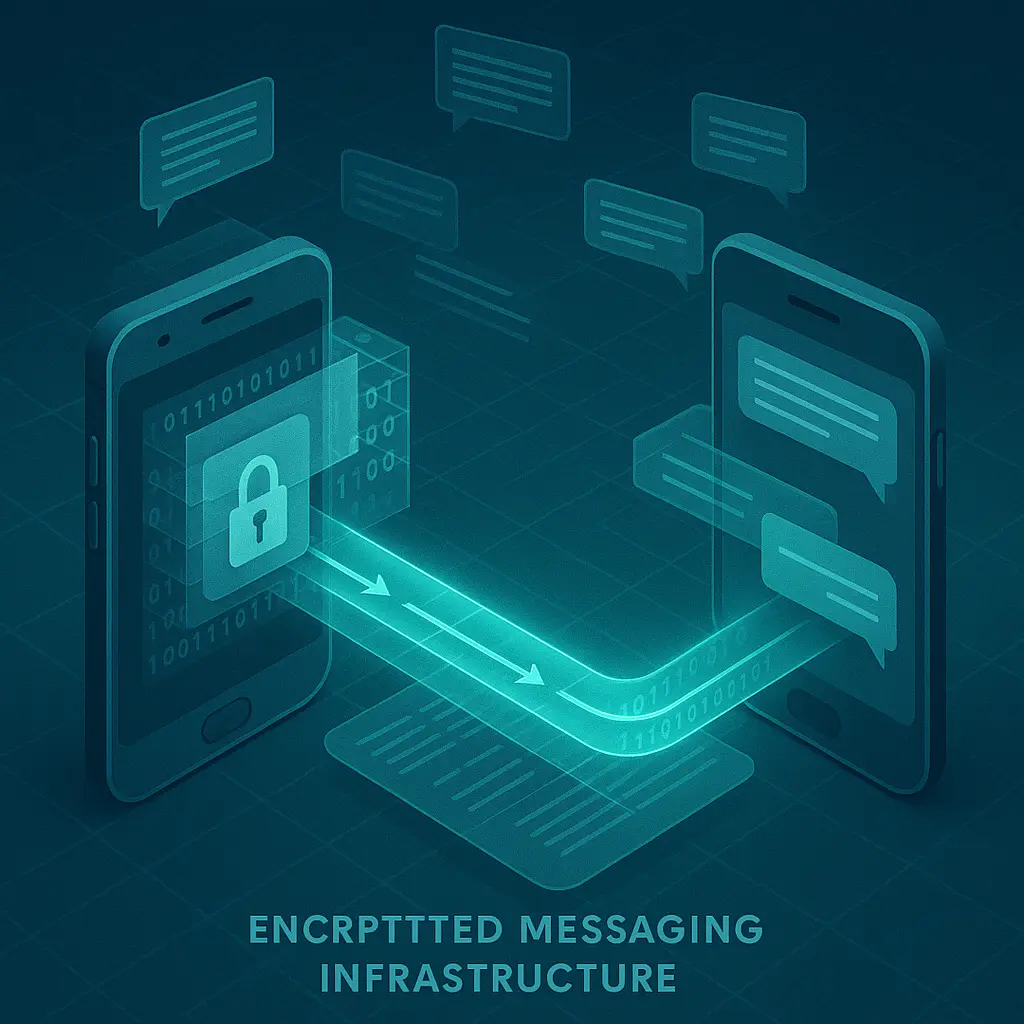
End-to-end encryption means that WhatsApp encrypts your message on your device, and only the recipient's device holds the key to decrypt it. The message travels through WhatsApp's servers as ciphertext. No one at WhatsApp, Meta, or any intermediary can read the content.
This is the Signal Protocol, developed by Open Whisper Systems and now maintained by the Signal Foundation. WhatsApp adopted it in 2016. The cryptographic mechanism is peer-reviewed, widely respected, and considered secure against interception. When you send a message on WhatsApp, the content is protected.
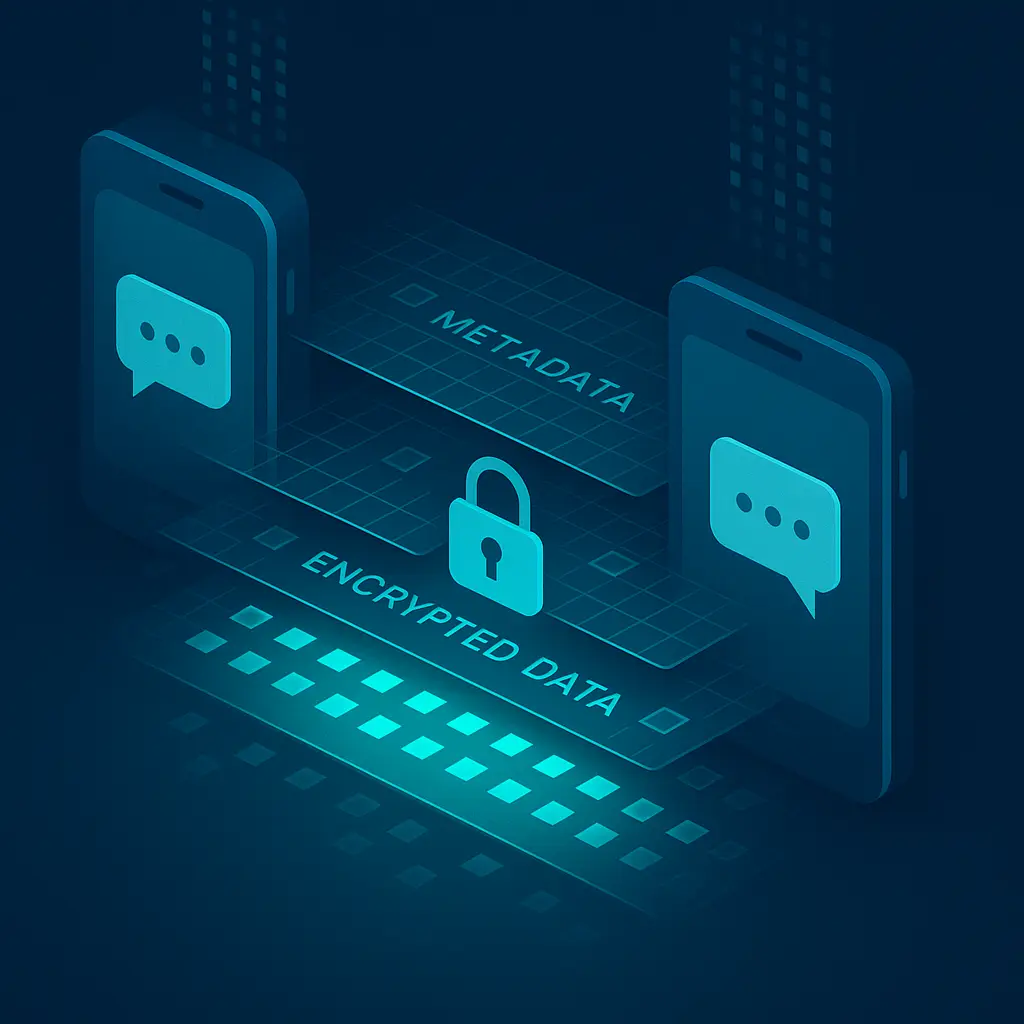
But encryption has boundaries. It protects the payload, not the envelope. It shields what you say, not who you talk to, when you talk, how often, or from where.
Metadata: The Information Encryption Doesn't Hide
Metadata is everything around the message. WhatsApp collects:
- Your phone number and device identifiers
- IP addresses and approximate location
- Contacts in your address book
- Message timestamps and frequency patterns
- Group membership and participant lists
- Status updates and profile changes
- App usage patterns and session duration
This data isn't encrypted. It flows to WhatsApp's servers in cleartext, where it's stored, analyzed, and used to build behavioral profiles. Meta's privacy policy describes how this metadata integrates with Facebook and Instagram data to serve targeted advertising.
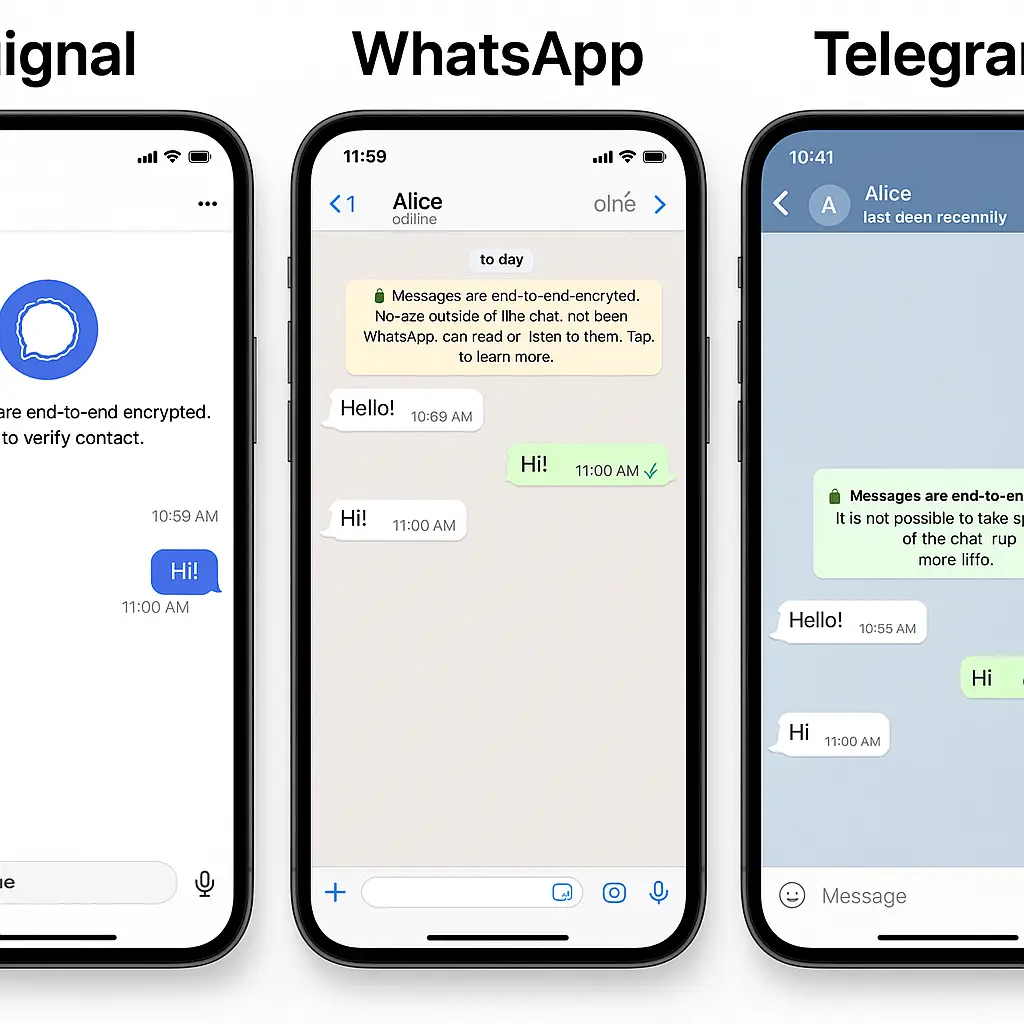
The industry standard for metadata collection varies wildly. Signal collects only your phone number and the last connection timestamp. Telegram stores unencrypted messages on its servers by default. WhatsApp sits in the middle, encrypting content but harvesting metadata at scale.
The Backup Problem
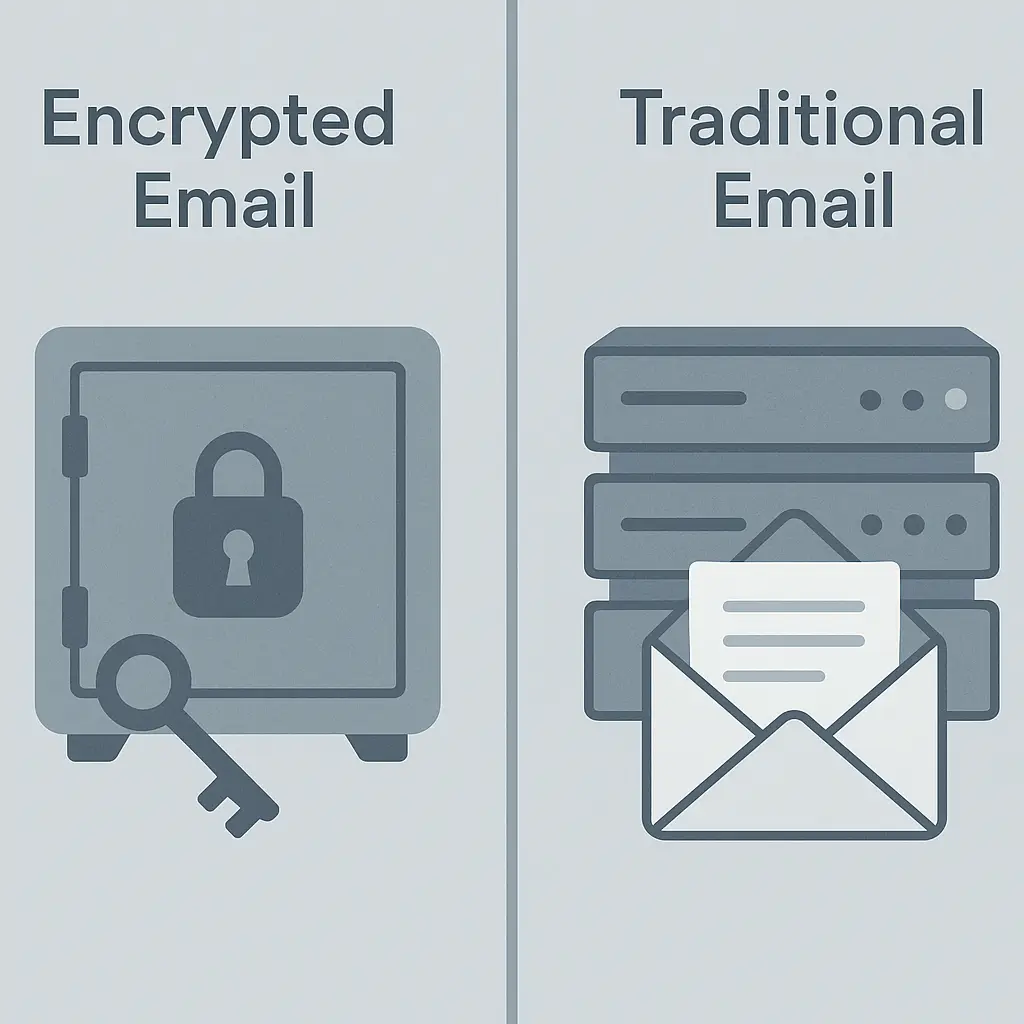
WhatsApp offers encrypted backups, but the feature is optional and relatively recent. Many users still store backups in iCloud or Google Drive without encryption. When you do this, your message history sits on Apple or Google servers in a format those companies can read.
This is a structural vulnerability. The backup key lives in your cloud account, not on your device. If someone gains access to your iCloud or Google account, they gain access to your WhatsApp history. Law enforcement can subpoena cloud providers for backup data. Encryption protects messages in transit, but backups create a parallel exposure.
The industry handles this differently. Signal's backups encrypt locally on your device, and you control the encryption key. Telegram's default cloud backups are unencrypted. WhatsApp's encrypted backup option exists, but adoption remains low because the feature requires users to opt in and manage a separate encryption key.
Platform Control and Corporate Ownership
WhatsApp is owned by Meta, a company whose business model depends on collecting and monetizing user data. This creates a structural conflict. WhatsApp's encryption protects message content, but Meta's broader data collection apparatus surrounds the platform.
Meta shares WhatsApp metadata with its other services. Your WhatsApp contact list can influence which ads you see on Facebook. Your messaging patterns contribute to behavioral models used across Meta's advertising network. The FTC has documented how data integration across platforms enables detailed user profiling.
This is not a technical vulnerability in WhatsApp's encryption. It's a business model tension. The platform encrypts your messages while the parent company monetizes your behavior.
Signal operates as a nonprofit. There's no advertising, no data sales, no integration with other platforms. The incentive structure is different. Telegram is for-profit but doesn't share data with third parties in the same way Meta does. The ownership model shapes what data gets collected and how it's used.
Cross-Platform Messaging and Interoperability
The European Union's Digital Markets Act mandates that large messaging platforms support interoperability. WhatsApp will eventually need to allow users to message people on other platforms without leaving the app. This creates new privacy challenges.
When messages cross platforms, encryption boundaries blur. If you message a Signal user from WhatsApp, who controls the encryption? What metadata gets shared between platforms? How do backup practices reconcile?
The industry hasn't solved this yet. The technical standards for cross-platform encrypted messaging exist, but implementation is messy. Different platforms use different encryption protocols, store data differently, and operate under different privacy policies. Interoperability will force compromises.
Law Enforcement Access and Government Requests
WhatsApp cannot hand over message content to law enforcement because the company doesn't have access to it. But metadata is fair game. CISA's guidance on secure communications emphasizes that metadata alone can reveal detailed information about relationships, movements, and behavior.
Governments can subpoena:
- Contact lists and group membership
- Message timestamps and frequency
- IP addresses and location data
- Account creation and device information
This is enough to map social networks, track movements, and identify patterns. The content is encrypted, but the context isn't.
Signal's architecture minimizes what the company can hand over. WhatsApp's architecture collects more, stores more, and makes more available to legal process. The difference isn't theoretical. It shows up in transparency reports and court cases.
The Industry's Approach to Messaging Privacy
The messaging industry in 2026 operates on a spectrum. At one end, platforms like Signal prioritize privacy through minimal data collection, nonprofit governance, and open-source code. At the other end, platforms like Facebook Messenger collect extensively, integrate deeply with advertising networks, and operate as for-profit entities.
WhatsApp occupies a middle position. The platform uses strong encryption for content, but it's embedded in Meta's data ecosystem. The technical implementation is sound, but the business context shapes what privacy actually means in practice.
Industry professionals distinguish between content privacy and behavioral privacy. Content privacy is what encryption protects: the words you type, the photos you send, the voice messages you record. Behavioral privacy is everything else: who you talk to, when, how often, from where, and what that reveals about your life.
WhatsApp delivers content privacy. Behavioral privacy is weaker because the platform collects metadata at scale and operates within a corporate structure that monetizes user behavior.
What This Means for Threat Modeling
Threat modeling is the process of identifying what you're protecting and from whom. The right messaging platform depends on your specific risks.
If you're protecting against casual snooping, network interception, or opportunistic attackers, WhatsApp's encryption is sufficient. The content of your messages is secure.
If you're protecting against corporate surveillance, advertising profiling, or detailed behavioral analysis, WhatsApp's metadata collection creates exposure. The platform knows too much about your communication patterns.
If you're protecting against government surveillance, law enforcement access, or state-level threats, WhatsApp's architecture and ownership create vulnerabilities that platforms like Signal avoid.
The industry recognizes these distinctions. Security professionals evaluate platforms based on threat models, not marketing claims. The question isn't whether WhatsApp is secure. The question is whether WhatsApp is secure enough for your specific situation.
Comparing WhatsApp to Alternatives
Signal encrypts content and minimizes metadata collection. The platform stores only your phone number and last connection time. Backups encrypt on your device with a key you control. Signal is nonprofit, open-source, and designed for privacy from the ground up.
Telegram encrypts content only in "Secret Chats." Regular messages sit unencrypted on Telegram's servers. The platform collects metadata, stores messages in the cloud, and operates as a for-profit company. Telegram's privacy model is weaker than WhatsApp's.
iMessage encrypts content for Apple users but falls back to unencrypted SMS for Android users. Apple controls the encryption keys for iCloud backups unless you enable Advanced Data Protection. The platform integrates with Apple's ecosystem but doesn't offer the same cross-platform privacy guarantees as Signal.
The industry landscape in 2026 shows a clear divide. Platforms built for privacy (Signal) minimize data collection and operate outside advertising models. Platforms built for scale (WhatsApp, Telegram, iMessage) make tradeoffs that prioritize convenience, reach, and business integration over maximal privacy.
The Encryption Paradox
Here's the paradox: WhatsApp's encryption is technically excellent, but the platform's privacy is structurally limited. The encryption works exactly as designed. The problem is what encryption doesn't cover.
In The Matrix, Morpheus offers Neo two pills. The red pill reveals the truth. The blue pill maintains comfortable illusion. WhatsApp's encryption is a red pill for content privacy and a blue pill for behavioral privacy. The message is secure. The metadata tells the story anyway.
This isn't a failure of encryption. It's a limitation of what encryption can protect. The industry understands this. Users often don't.
Practical Recommendations for WhatsApp Users
If you use WhatsApp and want to maximize privacy within the platform's constraints:
- Enable encrypted backups and store the encryption key securely
- Review and limit what data WhatsApp shares with Meta in privacy settings
- Avoid linking WhatsApp to Facebook or Instagram accounts
- Use disappearing messages for sensitive conversations
- Verify security codes with important contacts to confirm encryption
- Understand that metadata reveals communication patterns even when content is encrypted
If your threat model requires stronger privacy, consider migrating to Signal for sensitive conversations. Signal's architecture minimizes metadata collection and operates outside the advertising ecosystem. The tradeoff is a smaller user base and fewer features.
If you need to communicate with people who won't leave WhatsApp, use the platform for casual conversations and reserve sensitive topics for Signal. This is compartmentalization: different tools for different risks.
The Future of Messaging Privacy
The industry is moving toward interoperability, but privacy implications remain unclear. Cross-platform messaging will force platforms to reconcile different encryption standards, backup practices, and metadata policies. The result will likely be a lowest-common-denominator approach that weakens privacy for some users.
Regulatory pressure is increasing. The EU's Digital Markets Act, GDPR, and emerging privacy laws in U.S. states are pushing platforms toward more transparency and user control. But regulation moves slowly, and platforms adapt faster than laws change.
The technical future of encryption is solid. Post-quantum cryptography will eventually replace current algorithms, but the transition is years away. The business future of messaging privacy is uncertain. As long as advertising funds platforms, metadata collection will persist.
The Industry View: Privacy Is a Spectrum
The industry doesn't view messaging privacy as binary. Platforms exist on a spectrum from maximal privacy (Signal) to minimal privacy (unencrypted SMS). WhatsApp sits in the middle: strong content encryption, weak metadata protection, corporate ownership, and integration with an advertising network.
This is the reality behind the marketing. WhatsApp's encryption is real, but encryption alone doesn't guarantee privacy. The platform collects metadata, operates within Meta's ecosystem, and makes tradeoffs that prioritize reach and revenue over maximal privacy.
For many users, this tradeoff is acceptable. WhatsApp's encryption protects against the most common threats: network interception, casual snooping, and opportunistic attacks. For users with higher threat models, the platform's architecture creates exposures that alternatives avoid.
The question isn't whether WhatsApp is private. The question is whether WhatsApp's privacy model matches your specific risks. The industry understands the distinction. Now you do too.