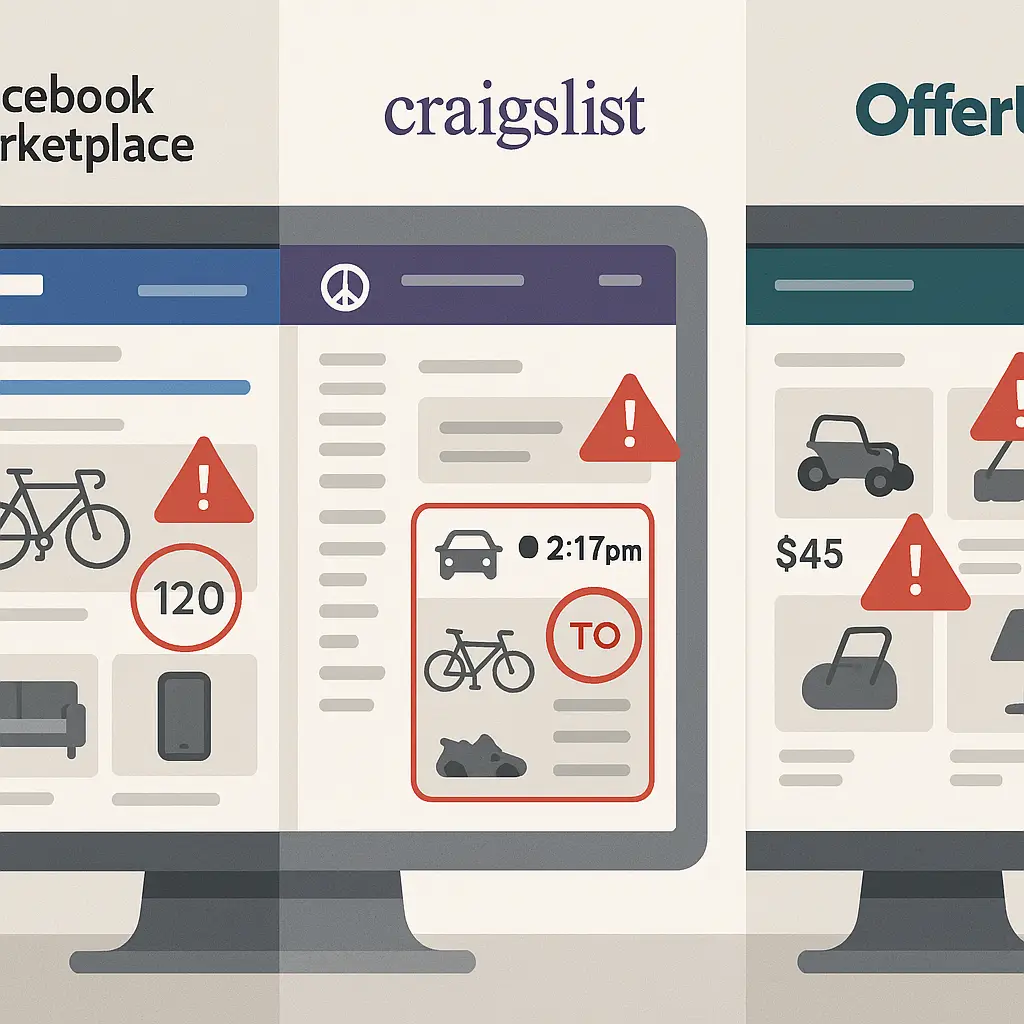
Marketplace scams: Facebook, Craigslist, OfferUp—how the fraud works and what to watch for
You list a couch on Facebook Marketplace. Within minutes, someone messages: "Is this still available?" You say yes. They say they'll send a mover to pick it up tomorrow and ask for your phone number to coordinate. The conversation feels normal until it isn't.
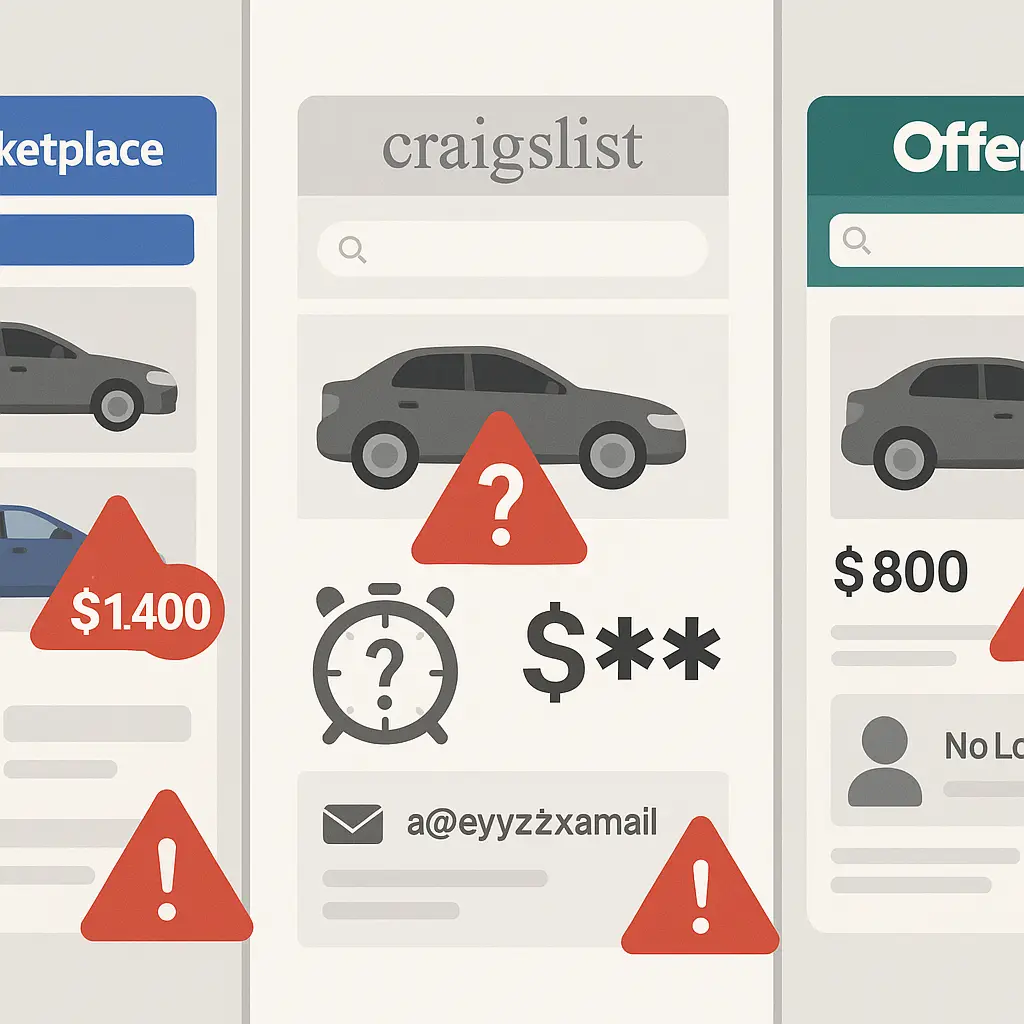
Online marketplace scams follow predictable patterns across Facebook Marketplace, Craigslist, OfferUp, and similar platforms. The fraud works because the platforms create trust through familiar interfaces while providing minimal protection once you step outside their boundaries. Here's the underlying mechanism, what makes these scams succeed, and how to recognize them before you lose money or merchandise.
The overpayment scam: the oldest trick, still working
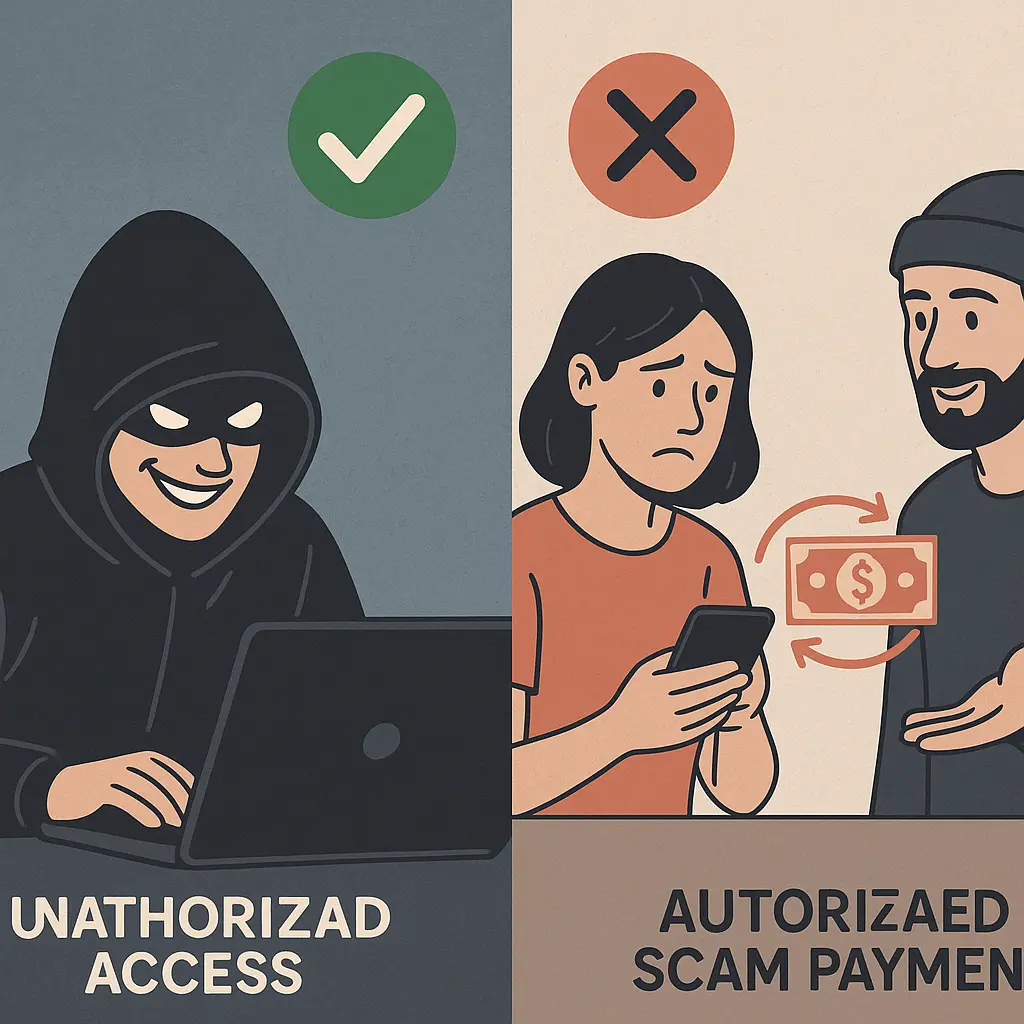
Someone wants to buy your item. They're enthusiastic, ask few questions, and agree to your price immediately. Then they send you a check for more than the asking amount. Sometimes it's double. Sometimes it's triple. They apologize for the error and ask you to deposit the check and send back the difference via Zelle, Venmo, or wire transfer.
The check is fake. It will bounce, but that takes days. Banks make funds available before checks fully clear, creating a window where the money appears in your account but hasn't actually been verified. When the check bounces a week later, the bank reverses the deposit. You're out whatever you sent to the scammer, plus potentially the item if you already shipped it.
The FTC reports that overpayment scams cost victims thousands of dollars per incident, with the median loss around $3,000 when the scam involves both merchandise and cash transfers. The scam works because people trust that deposited checks represent real money and feel pressure to resolve the overpayment quickly.
Variations include paying with a cashier's check (also fake), a business check (also fake), or a money order (also fake). The common thread: any payment method that takes days to verify creates the opportunity for this fraud.
Shipping scams: paying for something you'll never send
A buyer contacts you about an item. They can't meet in person because they're out of state, deployed overseas, or caring for a sick relative. They offer to pay extra to cover shipping costs. They might even volunteer to use a specific shipping service or send you a prepaid label.
Then they send you a payment confirmation. It looks official, a screenshot from PayPal, Venmo, or Zelle showing the transaction completed. They ask you to ship the item immediately, sometimes with urgency because they need it for a birthday, anniversary, or other time-sensitive event.
The payment confirmation is fake. It's a doctored screenshot or an email designed to look like it came from the payment service. When you check your actual account, no money arrived. By the time you realize this, you've already shipped the item to an address you can't recover it from.
Some versions of this scam involve the buyer sending a real payment but then disputing it after you ship. PayPal's seller protection doesn't cover items sold through classified ads or in-person transactions, so the dispute often succeeds, leaving you without the item or the money.
The IC3's 2024 Internet Crime Report documents thousands of complaints about non-delivery scams, with losses exceeding $300 million annually. The fraud succeeds because people want to believe the transaction is legitimate and feel pressure to act quickly when a buyer seems eager.
Moving off-platform: where protections disappear
Most marketplace platforms include messaging systems, payment processing, and dispute resolution. Scammers know this. Their first move is often to get you off the platform.
"Can you text me at this number?" "Do you have WhatsApp?" "Email me directly so we can work out the details." The request sounds reasonable. Texting feels more convenient than checking marketplace messages. But moving off-platform removes every protection the marketplace offers.
Facebook Marketplace, OfferUp, and similar services can't help you recover money or resolve disputes if the entire transaction happened via text message. They can't verify payment confirmations sent through email. They can't mediate conflicts about items shipped to addresses shared through WhatsApp. Once you're off the platform, you're on your own.
The FTC's guidance on avoiding imposter scams emphasizes that legitimate buyers and sellers have no reason to avoid platform communication systems. If someone insists on moving the conversation elsewhere, that insistence is the red flag.
The verification code scam: stealing your phone number's identity
You post an item on Craigslist. Someone responds and says they want to make sure you're a real person, not a scammer. They'll send a verification code to your phone. All you need to do is tell them the code when it arrives.
The code isn't verifying you. It's creating a Google Voice account in your name. Google Voice requires a phone number for setup and sends a verification code to that number. When you give the scammer that code, they complete the setup process and now control a phone number that forwards to yours.
They use this number to run other scams. When victims call back to complain or law enforcement investigates, the trail leads to your phone number, not theirs. You become the unwitting accomplice to fraud you didn't commit.
The FBI's Internet Crime Complaint Center receives thousands of reports annually about verification code scams. The scam works because the request sounds like a reasonable security measure and people want to prove they're legitimate sellers.
Fake rental listings: deposits for properties that aren't theirs
Rental scams dominate Craigslist and Facebook Marketplace in high-demand housing markets. The scammer copies photos and descriptions from legitimate rental listings, reposts them at below-market prices, and waits for desperate renters to respond.
The story varies, but the structure stays consistent: the landlord is out of town, out of the country, or otherwise unable to show the property in person. They'll mail you the keys after you send a deposit via wire transfer, Zelle, or cryptocurrency. Sometimes they claim to use a property management company. Sometimes they say they're missionaries doing charity work abroad. The details change, but the core request, send money before seeing the property, stays the same.
Real landlords show you the property. They verify your income and references. They use standard lease agreements and accept checks or money orders, not wire transfers to foreign accounts. If someone refuses an in-person showing, they don't own or control the property.
The Consumer Financial Protection Bureau documents rental scams as one of the most common forms of marketplace fraud, with victims losing deposits ranging from $500 to $3,000. The scam succeeds because housing scarcity creates urgency and people fear losing a good deal to another applicant.
Vehicle scams: too good to be true because it is
A car, truck, or motorcycle appears on Craigslist or Facebook Marketplace at 30 to 50 percent below market value. The listing includes detailed photos, a clean title, and a compelling story: military deployment, estate sale, divorce settlement, moving overseas. The price is firm, the seller is motivated, and you need to act fast.
The vehicle doesn't exist. The photos came from another listing, an auction site, or a dealership inventory. The seller will accept payment through an escrow service (which they control), a shipping company (which doesn't exist), or direct wire transfer. Once you send money, they disappear.
Some versions involve fake escrow sites that look legitimate but route payments directly to the scammer. Others use pressure tactics, another buyer is interested, the listing expires tonight, the military is shipping them out tomorrow. The urgency is manufactured to prevent you from doing basic verification.
The IC3's data shows vehicle scams account for substantial losses in online marketplace fraud, with individual victims losing $5,000 to $15,000 per incident. The scam works because below-market pricing triggers excitement that overrides skepticism.
Employment scams: paying to get a job that doesn't exist
Job listings appear on Craigslist and Facebook promising easy money for simple work: mystery shopping, package forwarding, personal assistant tasks. The employer is professional, the pay is generous, and they're ready to hire you immediately.
Then they ask you to buy supplies, pay for training, or process payments through your bank account. Mystery shoppers need to wire money as part of the evaluation. Package forwarders need to purchase shipping materials. Personal assistants need to deposit checks and forward portions to vendors.
You're not getting hired. You're being recruited as a money mule. The checks you deposit are fake. The packages you forward contain stolen merchandise. The mystery shopping assignments are money laundering. By the time you realize what's happening, you're potentially liable for fraud, theft, or money laundering.
The FTC's consumer alerts emphasize that legitimate employers never ask you to pay for the privilege of working or to process financial transactions through your personal accounts. If a job requires you to move money, it's not a job.
The cultural reference: The Office and the Nigerian prince
In The Office, Michael Scott falls for an email scam from a supposed Nigerian prince. He's convinced he's helping someone in need while everyone around him recognizes the obvious fraud. The scene works as comedy because the disconnect between Michael's certainty and the viewer's knowledge creates tension.
Marketplace scams operate on the same principle. The fraud is obvious to people who've seen it before, invisible to people experiencing it for the first time. The overpayment check, the urgent buyer who can't meet in person, the rental property the landlord won't show you, these patterns are clear once you know what to look for. But when you're in the middle of trying to sell a couch or find an apartment, the pressure and the plausible details can overwhelm the red flags.
The difference between Michael and real victims isn't intelligence. It's exposure. Once you've seen the pattern, you recognize it everywhere. Until then, it looks like a legitimate transaction that just needs one more step to complete.
Recognizing the patterns before you lose money
Every marketplace scam shares common elements. Learning to recognize these patterns protects you across platforms and transaction types.
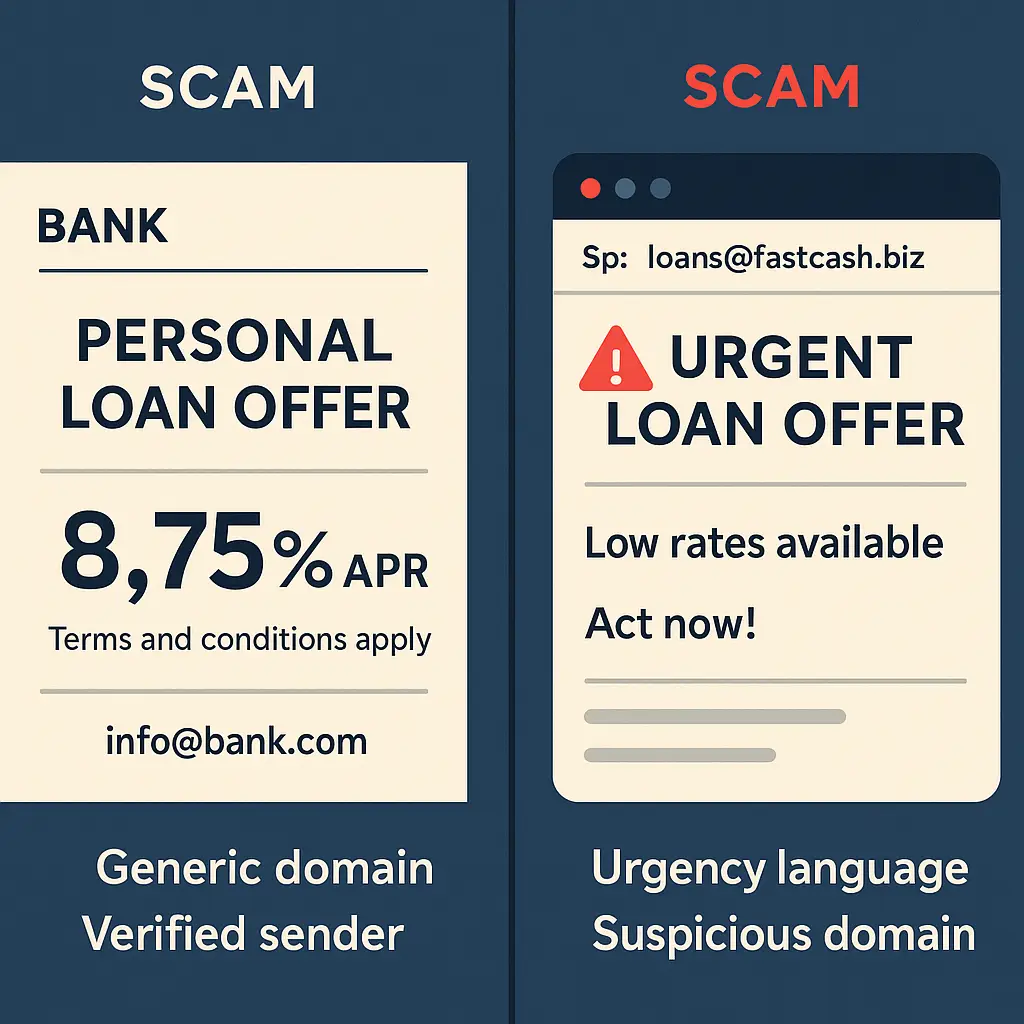
Urgency is manufactured. Legitimate buyers and sellers operate on normal timelines. They ask questions about the item. They negotiate price. They arrange meetings at mutually convenient times. Scammers create artificial pressure: another buyer is interested, they're leaving town tomorrow, the deal expires tonight. Urgency is a tool to prevent you from thinking clearly.
Payment methods matter. Cash, in-person transactions, and platform-integrated payment systems offer some protection. Wire transfers, cryptocurrency, prepaid debit cards, and gift cards offer none. If someone insists on a payment method that can't be reversed or traced, that insistence tells you what you need to know.
Off-platform communication removes protections. Marketplaces can't help you if the transaction happened entirely through text messages or email. Staying on the platform keeps a record, enables dispute resolution, and gives you recourse if something goes wrong.
Too-good pricing signals fraud. Items priced significantly below market value attract attention, which is exactly what scammers want. Real sellers price items competitively but realistically. If a car worth $15,000 is listed for $6,000, the listing is designed to generate responses, not complete a sale.
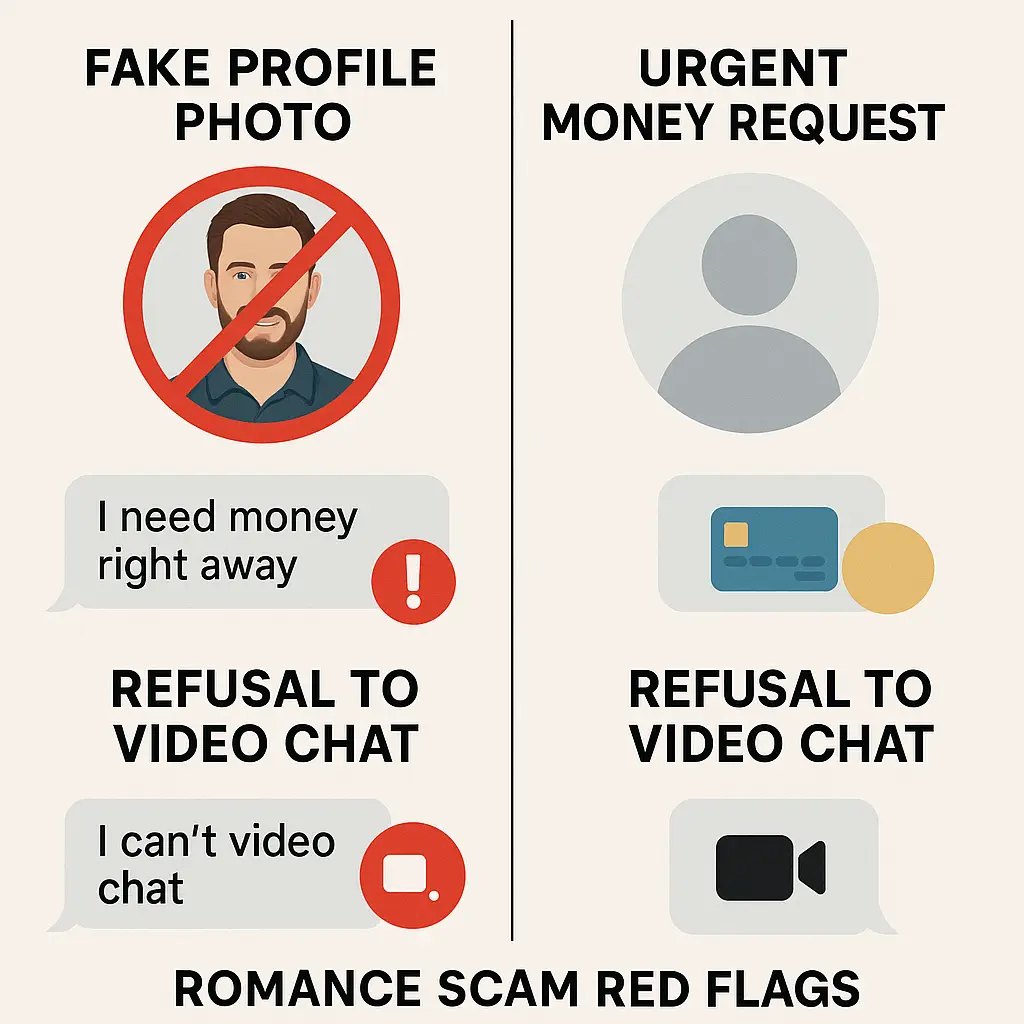
Refusal to meet in person is a red flag. For local transactions, meeting in person at a public place is standard practice. Coffee shops, police station parking lots, and busy shopping centers provide safety and verification. Sellers or buyers who refuse in-person meetings often don't have the item or don't intend to pay.
What to do when you spot a scam
Stop the transaction immediately. Don't send money, don't ship items, don't provide additional personal information. Once money or merchandise leaves your control, recovery becomes difficult or impossible.
Report the scam to the platform. Facebook Marketplace, Craigslist, and OfferUp all have reporting mechanisms. Reporting helps the platform identify and remove scam accounts, protecting other users from the same fraud.
Report to the FTC and IC3. Federal agencies track scam patterns and use reports to build cases against organized fraud operations. Your report contributes to that effort.
If you already sent money, contact your bank or payment service immediately. Depending on the payment method and timing, you might be able to stop or reverse the transaction. Wire transfers and cryptocurrency are usually unrecoverable, but credit card charges and some ACH transfers can be disputed.
If you shipped an item, contact the shipping carrier. If the package hasn't been delivered, you might be able to recall it or reroute it. This works better with tracked shipments and depends on how quickly you act.
Building habits that protect you
Verify before you trust. Check the buyer's or seller's profile. Look for established accounts with transaction history and reviews. New accounts with no history warrant extra caution.
Search the listing details. Copy the description or image and search for it elsewhere. Scammers often reuse listings across multiple platforms or copy legitimate listings from other sites.
Meet in person for local transactions. Public places with security cameras provide safety and verification. Police stations often designate parking spots specifically for online marketplace transactions.
Use platform payment systems when available. Facebook Marketplace and OfferUp offer integrated payment processing that includes buyer and seller protections. These systems aren't perfect, but they're better than wire transfers or cash apps.
Trust your instinct. If something feels wrong, it probably is. The cost of walking away from a suspicious transaction is zero. The cost of completing a scam can be thousands of dollars.
The reality behind marketplace fraud
Online marketplaces aren't inherently dangerous, but they create opportunities for fraud by connecting strangers around transactions that involve money and merchandise. The platforms provide tools and protections, but those protections only work if you use them.
Scammers succeed because they exploit normal human responses: the desire to help, the fear of missing out, the pressure to act quickly, the trust that people are generally honest. Recognizing the patterns disrupts that exploitation. You don't need to become suspicious of everyone. You need to recognize when a transaction deviates from normal patterns and respond accordingly.
The overpayment scam works because checks take days to clear. The shipping scam works because payment confirmations can be faked. The verification code scam works because people want to prove they're legitimate. The rental scam works because housing scarcity creates desperation. Each scam exploits a specific vulnerability in how platforms, payment systems, or human psychology work.
Understanding the mechanism doesn't just protect you from these specific scams. It gives you a framework for evaluating new scams as they emerge. The details will change, new platforms, new payment methods, new stories, but the underlying patterns stay consistent. Urgency, off-platform communication, unusual payment methods, too-good pricing, and refusal to meet in person signal fraud regardless of the specific story attached to them.
Marketplace scams aren't going away. As long as platforms connect strangers around transactions, scammers will exploit those connections. What changes is your ability to recognize the fraud before it costs you money, merchandise, or worse. The patterns are learnable. Once you see them, you see them everywhere.