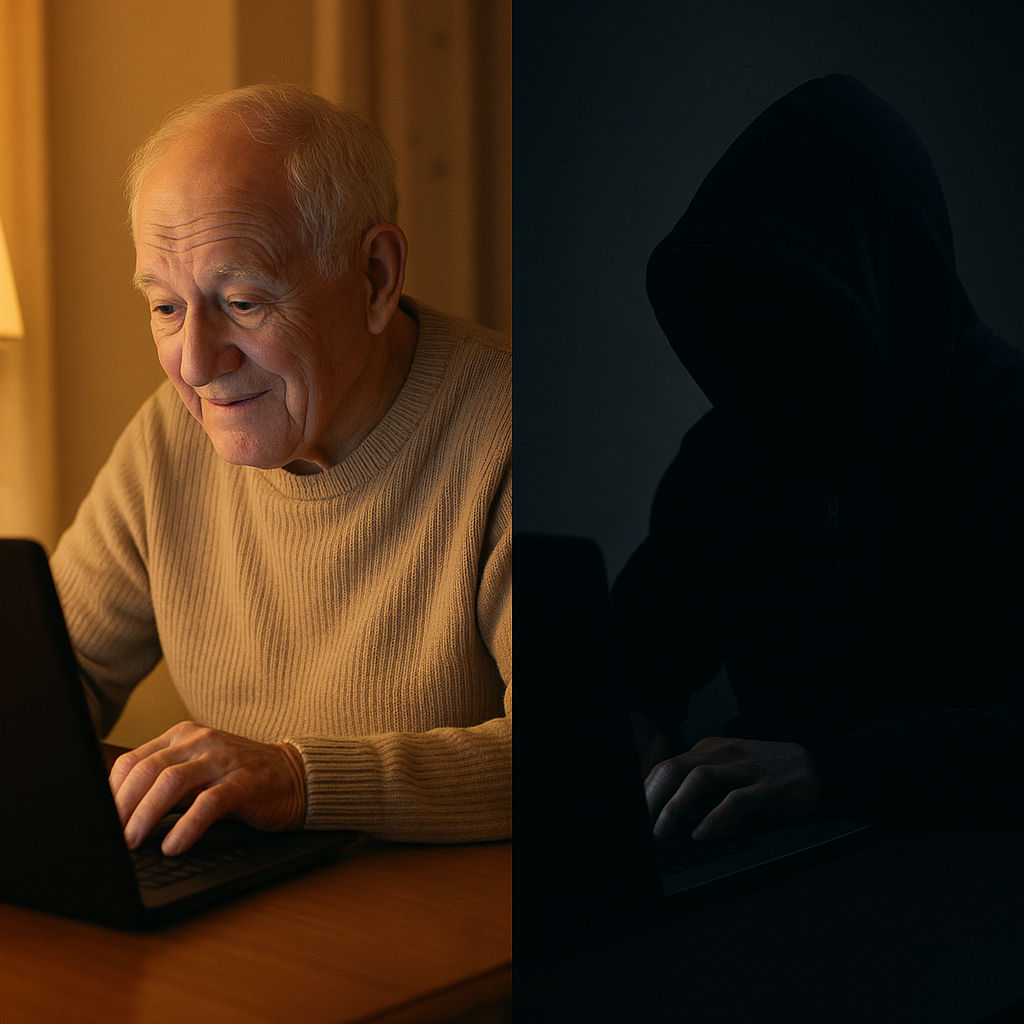
Romance scams targeting widowed seniors: How grief becomes a weapon
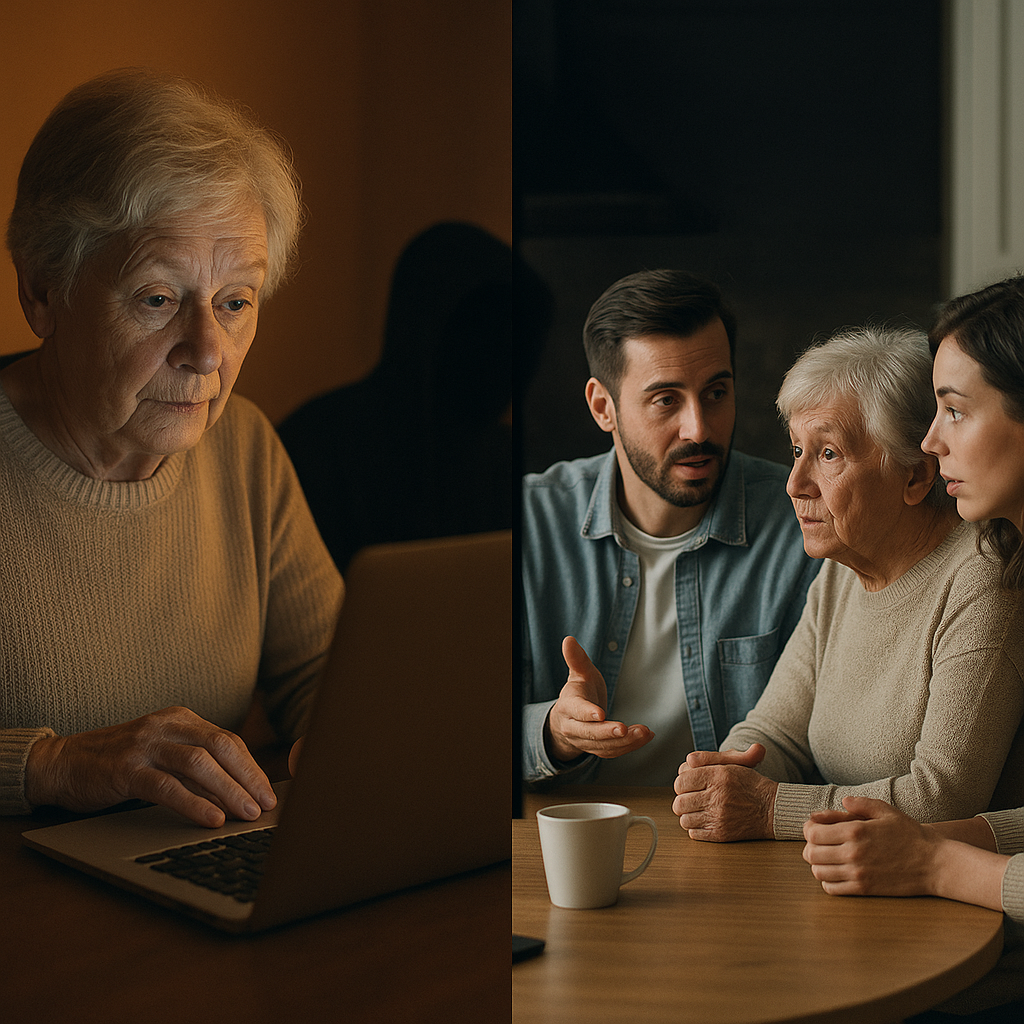
Margaret's husband died in March 2024. By June, she'd joined a Facebook group for widows. By August, she'd met David, a contractor working overseas who understood her grief. By November, she'd wired him $140,000 across seventeen transactions.
David never existed. The photos were stolen from a real contractor's LinkedIn. The voice on the phone belonged to someone reading a script. The medical emergency, the customs hold, the business partner who betrayed him, all fiction, calibrated to extract money from a woman whose loneliness made her want to believe.
Romance scams targeting widowed seniors follow a predictable pattern, but the predictability doesn't make them easier to stop. The fraud works because it exploits grief, isolation, and the human need for connection. Here's how the mechanism operates, why it succeeds, and what families can do before it's too late.
How scammers find widowed seniors
Romance scammers don't wait for targets to come to them. They hunt.
Obituary pages list surviving spouses. Facebook groups for widows and widowers provide names, photos, and emotional states. Dating sites for seniors offer profiles that explicitly mention recent loss. LinkedIn shows professional history and financial indicators. Church directories, community bulletin boards, and local newspaper archives all feed the targeting process.
Once a scammer identifies a potential victim, they build a profile designed to match. If the widow's late husband was military, the scammer becomes a veteran. If she's religious, he quotes scripture. If she loves gardening, he shares photos of roses. The profile isn't random, it's engineered.
Initial contact comes through a friend request, a direct message, or a comment on a post about grief. The approach is gentle, empathetic, never aggressive. "I lost my wife two years ago. I know how hard this is." The shared experience creates instant connection.
According to FBI Internet Crime Complaint Center data, confidence fraud and romance scams cost victims over $1.4 billion in 2024, with the median age of victims rising each year. Widowed seniors represent a growing segment of that total.
The targeting is systematic. Scammers work from lists, rotating through profiles until someone responds. The ones who respond become active cases. The ones who don't get cycled back into the queue for a different approach six months later.
The trust-building phase: weeks or months of emotional investment
Romance scams don't start with money requests. They start with conversation.
The scammer messages daily. Good morning texts. Questions about your day. Sympathy when you mention missing your late spouse. The attention feels validating after months of loneliness. You start looking forward to the messages.
After a week, the scammer suggests moving off the dating site or Facebook to email, text, or WhatsApp. "I'm not on here much. Can I text you?" The shift isolates the conversation from the platform's fraud detection and makes the relationship feel more private, more real.
The scammer shares details about their life. They're working overseas, oil rig, military contract, construction project, medical mission. The overseas location explains why they can't meet in person yet. It also sets up the eventual crisis that will require money.
They ask about your life. Your children, your hobbies, your late spouse. They remember details. They reference things you mentioned weeks ago. The attentiveness feels like care. In reality, they're taking notes, building a psychological profile to use later.
They declare feelings quickly. "I know this is fast, but I feel like I've known you forever." The intensity feels romantic, not manipulative. After all, when you've lost someone, finding connection again feels miraculous.
Some scammers send gifts, flowers, small packages, to make the relationship tangible. The gifts aren't expensive, but they're physical proof that this person exists, that they're thinking about you.
The trust-building phase lasts weeks or months. Researchers who study romance scams have found that the longer the buildup, the more money victims eventually send. A relationship that feels like it's lasted three months carries more emotional weight than one that's lasted three weeks.
The first money request: always an emergency
The ask never comes as "I need money." It comes as a crisis.
David's business partner stole from the company account. Now David can't pay the workers, and the project will collapse unless he gets $8,000 by Friday. He's humiliated to ask, but you're the only person he trusts.
Or: David's daughter was in a car accident. The hospital won't treat her without a deposit. Insurance will reimburse, but he needs $5,000 today.
Or: David's flight home is booked, but customs is holding his luggage because of unpaid fees. He can't leave the country without paying $2,000.
The scenario changes, but the structure doesn't. It's always urgent, always fixable with money, always temporary. The scammer promises repayment. They're not asking for a gift, just a loan until the crisis resolves.
The amount starts manageable. A few thousand dollars feels significant but not devastating. You can afford it. And after months of conversation, of feeling understood, of planning a future together, helping feels natural.
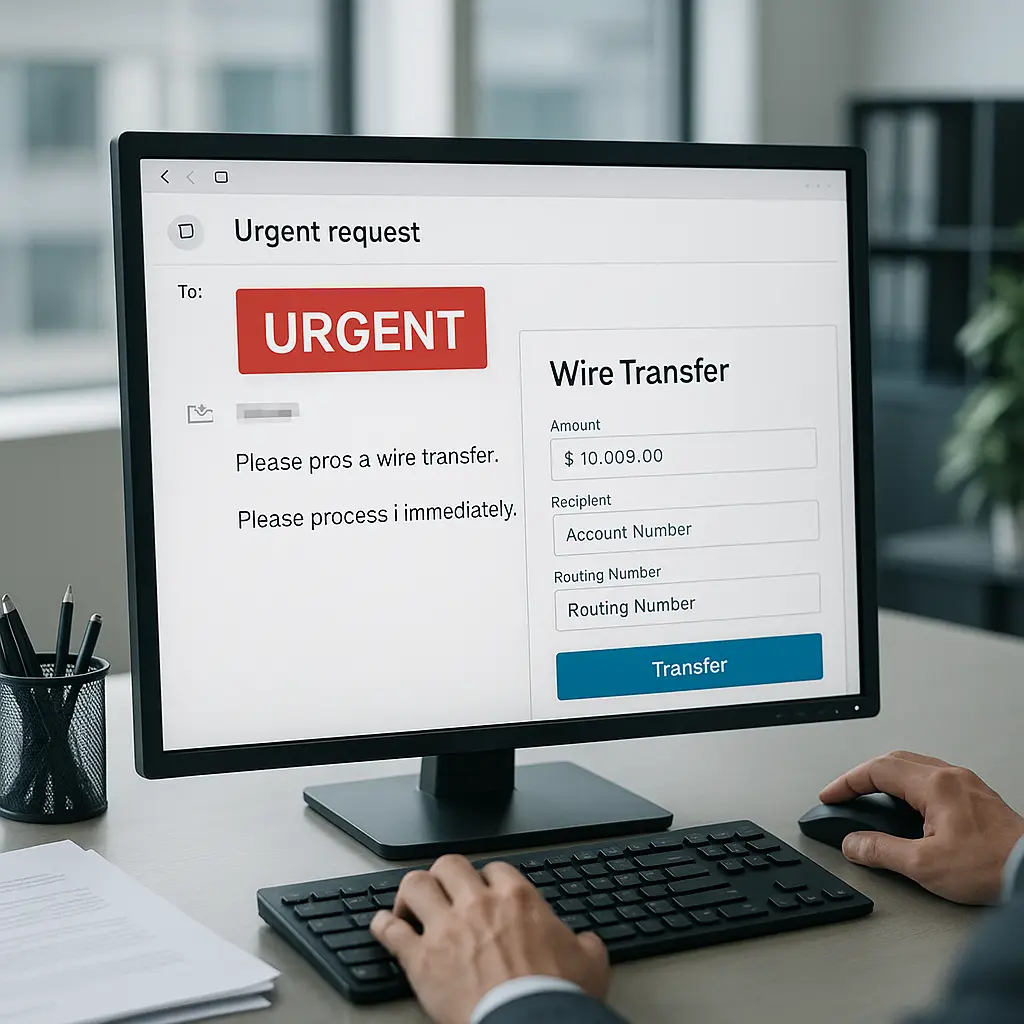
You send the money. Wire transfer, gift cards, cryptocurrency, whatever method the scammer requests. They express overwhelming gratitude. The crisis resolves. For a few days, everything feels fine.
Then another emergency happens.
The escalation: repeated requests and increasing amounts
Once you send money the first time, the requests multiply.
The business deal needs another $10,000. The hospital bill was higher than expected. The lawyer handling the customs issue needs a retainer. Each request comes with a detailed explanation, a promise of repayment, and emotional pressure. "I wouldn't ask if I had anyone else."
The amounts increase. What started as $5,000 becomes $15,000, then $30,000. You drain savings. You take out a home equity line of credit. You borrow from your children without telling them why.
Scammers use a technique called "sunk cost exploitation." You've already invested so much money, and so much emotional energy, that walking away feels like losing everything. Sending more money feels like protecting your investment.
Some victims recognize something is wrong but can't admit it. The cognitive dissonance, this person loves me versus this person is stealing from me, creates paralysis. Admitting you've been scammed means admitting the relationship was fake, that the connection you felt was manipulation, that months of your life were a lie.
According to FTC reporting on romance scams, the median individual loss for romance scams in 2024 was $4,000, but victims over 70 lost a median of $9,000. Many lose far more. Six-figure losses are common in cases involving widowed seniors.
The scammer never visits. There's always a reason. The project extends. The visa gets delayed. The flight gets canceled. The excuses are plausible individually, but the pattern, months of promises without a single in-person meeting, should trigger suspicion.
It doesn't. By this point, the victim is too deep.
Why widowed seniors are targeted specifically
Scammers target widowed seniors because grief creates exploitable vulnerability.
Losing a spouse after decades of marriage creates a void that feels unbearable. The routines you built together, morning coffee, evening walks, weekend plans, suddenly have no structure. The loneliness isn't just emotional; it's logistical. You're navigating life alone after years of partnership.
That vulnerability makes romantic attention feel like rescue. When someone shows interest, asks about your day, remembers your stories, it feels like the universe offering a second chance. You want to believe it's real because the alternative, more years of loneliness, feels unbearable.
Social isolation amplifies the risk. Adult children live across the country. Friends from your married life have drifted. You spend hours alone, and the person texting you every morning becomes your primary social connection. There's no one close enough to notice the red flags or question the relationship.
Financial access matters too. Widowed seniors often control significant assets, life insurance payouts, retirement accounts, paid-off homes. They have the money scammers want, and they have the autonomy to move it without needing spousal approval.
Researchers have found that widows are more likely than widowers to fall victim to romance scams, possibly because women in that generation were socialized to trust male authority and defer to men in financial decisions. A man claiming to need help triggers caregiving instincts that override skepticism.
The scammer also exploits the victim's desire to avoid burdening their children. Many widowed seniors don't want to seem needy or incapable. Asking an adult child for advice about a new relationship feels embarrassing. Sending money to someone you trust feels like maintaining independence.
Red flags that families miss until it's too late
Adult children often don't realize their widowed parent is being scammed until tens of thousands of dollars are gone.
The parent mentions a new friend they met online. The friend lives overseas. The friend works in a vague profession, contractor, engineer, doctor on a mission. The friend has had a run of bad luck, business problems, family emergencies, travel delays. The parent is helping out.
Each detail alone sounds plausible. Together, they form the standard romance scam script.
Other warning signs:
- Sudden secrecy about finances or online activity
- Defensive reactions when asked about the new relationship
- Reluctance to video chat with the person or introduce them to family
- Explanations for why the person can't visit that keep changing
- Requests to borrow money or access to financial accounts
- Withdrawal from friends and family who express skepticism
Many families don't see the pattern until they review bank statements or notice missing funds. By then, the money is gone, wired overseas, converted to cryptocurrency, or sent via irreversible payment methods.
Some victims hide the scam even after they suspect it. The shame of being fooled, the fear of losing autonomy, and the desperate hope that maybe it's real keep them silent. They rationalize. They make excuses. They send more money to prove to themselves it's not a scam.
The Gilmore Girls problem: when trust becomes a weapon
In Gilmore Girls, Lorelai and Rory build their relationship on radical honesty. They tell each other everything. That transparency creates safety, no secrets, no surprises, no hidden agendas.
Romance scammers exploit the opposite dynamic. They build trust through manufactured vulnerability, then weaponize that trust to extract money. The victim believes they're in a Lorelai-and-Rory relationship, mutual, honest, safe. In reality, they're in a one-sided extraction where every piece of shared information becomes ammunition.
The scammer's "honesty" about their struggles, the business failure, the sick relative, the bureaucratic nightmare, creates a sense of intimacy. You're the person they confide in. That feels like trust. It's not. It's setup.
The same mechanism that makes real relationships work, believing what someone tells you, offering help when they're in need, becomes the vulnerability scammers exploit. The problem isn't that the victim is gullible. The problem is that the behaviors that sustain real relationships (trust, generosity, benefit of the doubt) are exactly what scammers weaponize.
What to do if you suspect a widowed parent is being scammed
If you think your parent is being scammed, act carefully. Confrontation often backfires.
Telling someone "You're being scammed" triggers defensiveness. They've invested months of emotional energy in this relationship. Admitting it's fake means admitting they were fooled, that their judgment failed, that the connection they felt was manipulation. Most people resist that conclusion as long as possible.
Instead, ask questions that surface inconsistencies without accusing.
"Have you video chatted with him?" "When is he planning to visit?" "Why does he need money if he's working on a lucrative contract?" "Have you reverse-image searched his photos?"
Let your parent reach the conclusion themselves. That's more effective than forcing it.
Offer to help verify the person's identity. Suggest a video call where you can meet him. Propose running his name through public records. Frame it as protecting them, not doubting them.
If money has already been sent, report it immediately. Contact the bank to freeze accounts and dispute charges. File reports with the FBI's Internet Crime Complaint Center, the FTC, and local law enforcement. Recovery is unlikely, but reporting creates a record and helps authorities track patterns.
Don't shame your parent. Romance scam victims already feel humiliated. Shaming them deepens the isolation that made them vulnerable in the first place. Focus on moving forward, not on how they got here.
Preventing romance scams before they start
The best defense is making your widowed parent a harder target before scammers find them.
Talk about romance scams explicitly. Don't assume they know. Many seniors aren't aware that romance fraud exists or that it targets people like them. Share articles. Discuss the red flags. Make it a conversation, not a lecture.
Encourage skepticism about online relationships. Anyone who can't video chat, can't meet in person, and needs money has disqualified themselves. Those three factors together are definitive.
Set up financial safeguards. If your parent is managing significant assets, suggest a trusted contact at their bank, someone who gets notified of large withdrawals. Many banks offer this service specifically to protect seniors from fraud.
Stay involved. Isolation makes people vulnerable. Regular contact, calls, visits, shared activities, reduces the emotional void that scammers fill. If your parent has social connection and emotional support, they're less likely to seek it from strangers online.
Help them build a social network offline. Senior centers, church groups, hobby clubs, volunteer work, anything that creates in-person connection reduces reliance on online relationships.
If your parent is on dating sites, help them set up their profile with privacy in mind. Use first name only, no financial details, no mention of recent loss in the bio. Scammers search for those keywords.
What happens after the scam ends
Most romance scams end one of two ways: the victim runs out of money, or someone intervenes.
When the money stops, the scammer disappears. The texts stop. The calls stop. The email goes silent. There's no closure, no explanation, no goodbye. The victim is left with financial ruin and the crushing realization that the relationship was never real.
The emotional damage often exceeds the financial loss. Victims describe feeling violated, humiliated, and profoundly alone. The grief they were trying to escape gets compounded by the grief of losing this new relationship, even though it was fake.
Some victims refuse to believe the scam even after it's proven. They make excuses. They wait for the scammer to return. They send more money when the scammer resurfaces months later with a new crisis. The psychological grip is that strong.
Recovery requires addressing both the financial and emotional damage. Financial recovery is straightforward, file police reports, contact banks, work with credit counselors. Emotional recovery is harder. Many victims need therapy to process the betrayal and rebuild their ability to trust.
Support groups for scam victims exist, both online and in-person. Talking to others who've been through the same experience reduces shame and isolation. It also provides practical advice on navigating the aftermath.
The systemic failure that makes romance scams possible
Romance scams succeed because the systems designed to protect people fail at every level.
Dating sites and social media platforms know romance scams happen on their platforms. They could implement mandatory video verification, flag profiles that match scammer patterns, or limit financial requests in messages. Most don't. Fraud prevention costs money and reduces user growth.
Banks process wire transfers to known scam destinations without intervention. They could flag transactions to high-risk countries, require secondary verification for large withdrawals by seniors, or delay transfers long enough for family members to intervene. Most don't. Friction reduces customer satisfaction.
Law enforcement treats romance scams as low priority. The crime is hard to prosecute, scammers operate overseas, use fake identities, and launder money through multiple jurisdictions. Victims are often reluctant to cooperate because of shame. So cases sit.
The FTC's Consumer Sentinel Network collects reports, but reporting doesn't lead to recovery. It creates data. The data shows the problem is growing. The growth doesn't trigger systemic change.
Meanwhile, scammers operate with near-impunity. They work from countries with weak cybercrime enforcement, use untraceable payment methods, and move on to the next victim as soon as one runs dry.
What you can do right now
If your parent is widowed, have the conversation today. Don't wait until you suspect a problem.
Ask if they're on dating sites or Facebook groups for widows. If they are, talk about romance scams explicitly. Share this article. Discuss the red flags. Make it clear that scammers target people like them specifically.
Set up financial safeguards. Add a trusted contact to their bank accounts. Set up alerts for large withdrawals. Make sure you have visibility into their finances, not control, but awareness.
Stay involved. Call regularly. Visit when you can. Make sure they have social connection offline so they're not reliant on online relationships for companionship.
If you suspect they're already being scammed, act carefully but quickly. Ask questions that surface inconsistencies. Offer to help verify the person's identity. Report any money already sent to the FBI and FTC.
The scam works because it exploits grief, isolation, and trust. The defense is connection, awareness, and skepticism. Your parent doesn't need to live in fear of online relationships. They need to know the patterns, recognize the red flags, and have people in their life who will notice when something is wrong.
That's the work. It's not complicated. It's just consistent attention to someone who's vulnerable at a moment when vulnerability is easy to exploit.