Pig Butchering Scams: How Fake Relationships Drain Bank Accounts
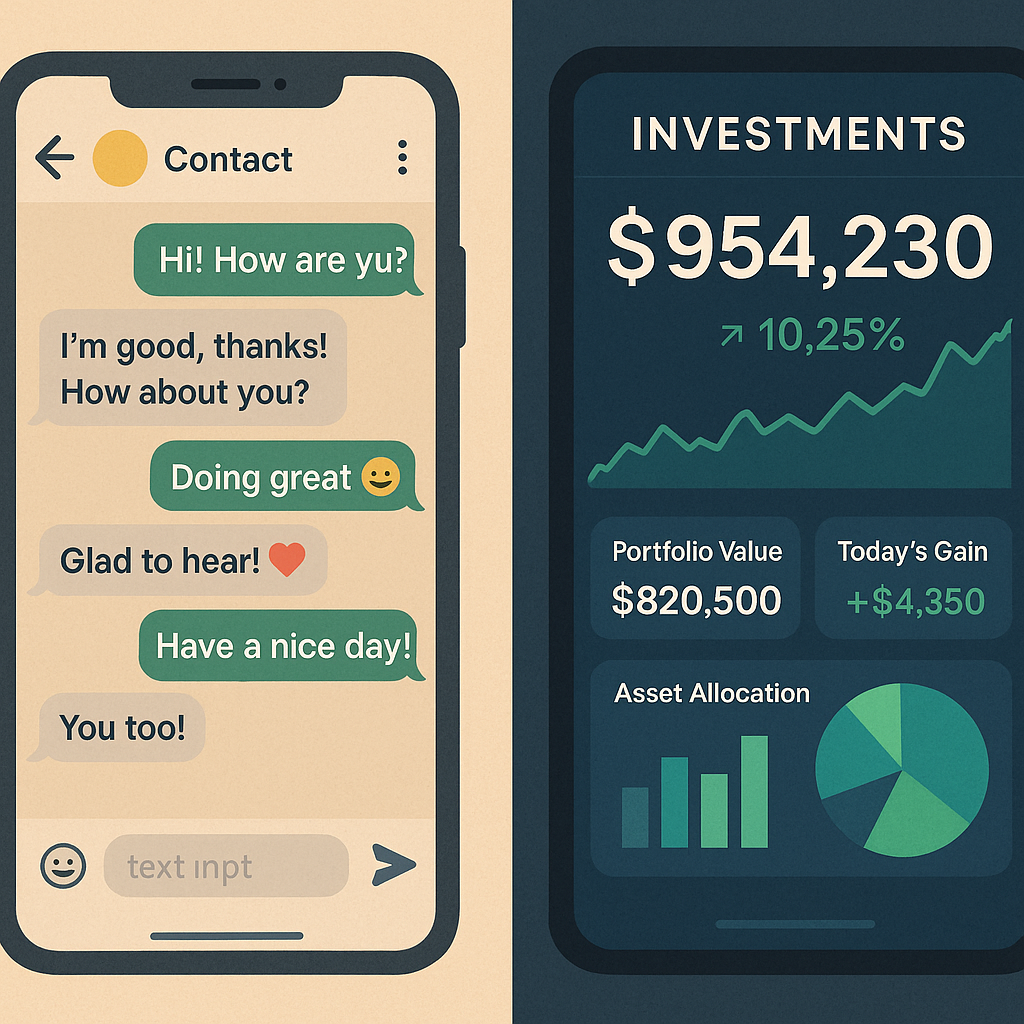
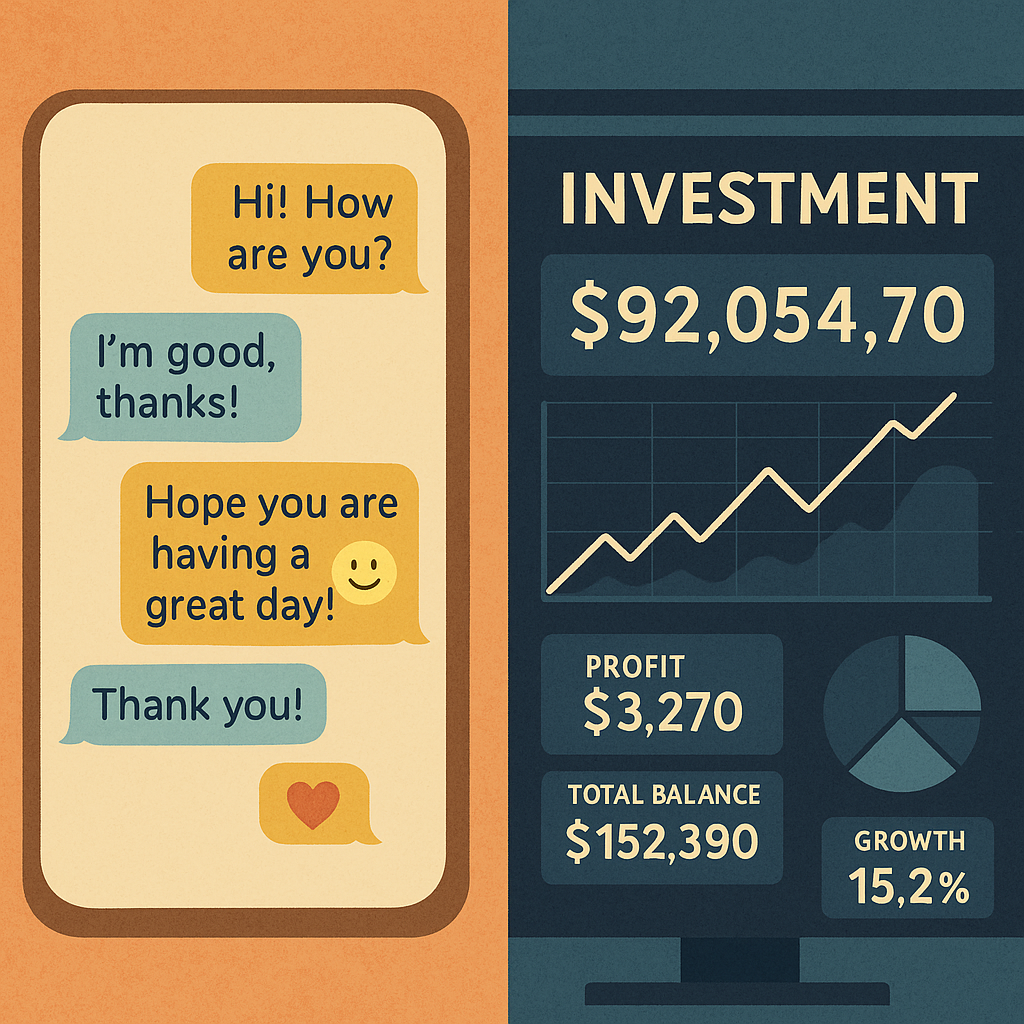
You get a text from an unknown number. "Hey Sarah, still on for dinner Thursday?" You reply that they have the wrong number. They apologize, seem embarrassed, mention they're new to the area. You exchange a few friendly messages. They seem nice. Interesting job. Similar hobbies.
Three weeks later, you're talking daily. They mention their investment success casually. Show you screenshots of returns. Offer to help you get started. The platform looks professional. Your first small investment shows immediate gains. You invest more. The numbers climb. You feel smart.
Then you try to withdraw. Suddenly there are fees. Tax requirements. Verification deposits. You send more money to unlock your funds. The person you've been talking to becomes harder to reach. The platform stops responding. Your money is gone. All of it.
This is pig butchering, and it's draining billions from victims who never saw it coming.
The Mechanism Behind Pig Butchering
Pig butchering scams combine elements of romance fraud, investment scams, and patient social engineering into a single, devastatingly effective attack. The FBI's Internet Crime Complaint Center reported that cryptocurrency investment fraud, which includes pig butchering schemes, resulted in around $5.6 billion in losses in 2024. That's more than any other fraud category they track.
The scam unfolds in predictable stages, each designed to deepen trust and commitment before the money transfer happens.
Stage 1: The Approach. The scammer makes contact through a channel that feels accidental. A text to the wrong number. A LinkedIn message about a supposed mutual connection. A dating app match. A Facebook friend request from someone in a shared group. The initial contact never mentions money, investments, or romance. It's just a friendly mistake or a casual hello.
Stage 2: The Relationship. Once contact is established, the scammer invests time. Real time. They text daily. They ask about your day. They share details about their life that sound plausible and ordinary. They build rapport slowly. This phase can last weeks or months. The conversation feels genuine because the scammer is patient. They're not rushing. They're fattening the pig.
Some of these operations use romance as the hook. The scammer presents as a potential romantic partner. Others use friendship or mentorship. The emotional connection is the foundation, not the end goal. The scammer needs you to trust them before they mention money.
Stage 3: The Introduction to Investing. After trust is established, the scammer casually mentions their success with cryptocurrency or forex trading. They don't pitch it immediately. They drop it into conversation the way someone might mention a hobby. They show you screenshots of their portfolio. Gains that look modest but consistent. They might mention an uncle in finance or a friend who taught them. The story varies, but the pattern doesn't: they have access to something that works, and they're willing to share it with you.
Stage 4: The Platform. The scammer directs you to a specific trading platform. The site looks professional. Clean interface. Live price charts. Customer support chat. It might use a name that sounds similar to a legitimate exchange. The scammer walks you through account setup. They might even fund your first small trade as a gift. You see returns immediately. Your $100 becomes $120 in a day. You withdraw $50 to test it. The money arrives. The platform works. You're convinced.
Stage 5: The Escalation. Now the scammer encourages larger investments. They share tips. They celebrate your gains with you. They might mention a limited-time opportunity or a market movement they've heard about. The pressure is subtle. It doesn't feel like pressure. It feels like a friend helping you succeed. You invest more. The numbers on the screen climb. You feel smart. You feel grateful. You might even recruit friends or family.
Stage 6: The Trap. When you try to withdraw a significant amount, the platform introduces obstacles. There's a tax requirement you need to pay first. A verification fee. A minimum account balance to unlock withdrawals. The scammer reassures you this is normal. They might claim they had to do the same thing. You send more money to cover the fee. The next obstacle appears. Then another. You're trapped in a cycle of paying to access money that never existed.
Eventually, the scammer stops responding. The platform goes offline. Your money is gone.
The Cultural Reference That Fits
In The Sting, the 1973 film, con artists Robert Redford and Paul Newman run an elaborate scheme against a mob boss. They build an entire fake betting parlor, staff it with actors, and manipulate their mark into believing he's found a way to cheat the system. The con works because the mark thinks he's the one getting away with something. He's not a victim. He's an insider.
Pig butchering uses the same psychology. The scammer doesn't present the investment as a gift. They present it as privileged access. You're not being sold something. You're being let in on something. That shift in framing bypasses skepticism. You're not asking "Is this legitimate?" because you think you've already answered that question. You trust the person. The person trusts the platform. Therefore, the platform is safe.
The con in The Sting required elaborate infrastructure, but pig butchering scammers have something better: time and patience. They don't need a physical location. They need your trust, and they'll invest months to get it.
Why the Scam Works
Pig butchering exploits several psychological vulnerabilities that traditional scams don't touch.
Trust through time investment. Most scams rush. They create urgency. They demand immediate action. Pig butchering does the opposite. The scammer invests weeks or months in conversation before mentioning money. That time investment creates reciprocal trust. You think, "Someone running a scam wouldn't spend this much time talking to me about their day." But they would. That's the entire model.
Social proof through fabricated evidence. The scammer doesn't just claim the platform works. They show you. Screenshots of gains. Withdrawal confirmations. Testimonials from other "users" who are actually part of the operation. When you make your first small investment and see returns, that becomes your own proof. You're not trusting the scammer's word anymore. You're trusting your own experience, which the scammer has carefully manufactured.
Isolation through secrecy. The scammer often encourages you to keep the investment opportunity quiet. They frame it as protecting privileged information or avoiding jealousy from others. This isolation prevents you from getting outside perspective. If you don't tell anyone, no one can warn you. By the time you realize something is wrong, you're already deep in financial and emotional commitment.
Escalation through sunk cost. Once you've invested, every additional dollar feels like it's protecting the money you've already put in. When the platform introduces withdrawal fees, you pay them because refusing means losing everything you've already sent. The scammer knows this. Each obstacle is calibrated to be just small enough that paying feels more rational than walking away.
Shame as a silencer. Victims of pig butchering often don't report the fraud immediately because they feel foolish. They trusted someone. They ignored red flags. They sent money to a stranger. That shame delays reporting, which gives the scammer time to disappear and makes recovery harder.
The Infrastructure Behind the Scam
Pig butchering isn't a solo operation. These scams run on industrial infrastructure involving hundreds of people across multiple countries.
The workers. Many of the people running these scams are themselves victims. Organized crime groups, particularly in Southeast Asia, traffic workers into compounds where they're forced to run romance and investment scams. These workers are given scripts, targets, and quotas. They work long hours under threat of violence. Some were lured by fake job postings for customer service or translation work. They arrived expecting legitimate employment and found themselves trapped.
The platforms. The fake investment sites are professionally built. They use real-time price feeds from legitimate exchanges to make the numbers look accurate. They allow small withdrawals early on to build trust. The entire interface is designed to mimic legitimate trading platforms closely enough that victims don't question it. These sites are often hosted on servers that move frequently to avoid takedown.
The money movement. Victims send money through cryptocurrency, wire transfers, or payment apps. The funds move through a series of accounts and wallets designed to obscure the trail. By the time a victim reports the fraud, the money has been split, converted, and moved across borders multiple times. Recovery is nearly impossible.
The targeting. Scammers don't contact people at random. They use data from breaches, social media, and purchased lists to identify targets who appear financially stable, socially isolated, or emotionally vulnerable. Someone who posts about a recent divorce, a job loss, or a move to a new city becomes a higher-value target.
How to Recognize Pig Butchering
The scam has patterns. If you know what to look for, you can identify it before you lose money.
Unsolicited contact that turns friendly. Legitimate wrong-number texts end with "Sorry, my mistake." They don't turn into ongoing conversations about your life and interests. If a stranger apologizes for contacting you by mistake and then keeps talking, that's a red flag.
Rapid relationship progression. Someone you've never met in person shouldn't be calling you pet names, expressing deep affection, or sharing intimate details of their life within days or weeks. Scammers use manufactured intimacy to bypass your defenses.
Casual mentions of investment success. If someone you barely know starts talking about how much money they're making through a specific platform, ask yourself why they're telling you. Legitimate investors don't recruit strangers into their strategies. The mention is never casual. It's the entire point of the conversation.
Pressure to use a specific platform. If they insist you use a particular exchange or trading site instead of well-known platforms like Coinbase or Fidelity, that's a red flag. Scammers need you on their controlled platform. They can't manipulate numbers on a legitimate exchange.
Requests for secrecy. If they tell you not to mention the investment to friends or family, they're isolating you from people who would recognize the scam. Legitimate investment opportunities don't require secrecy from your loved ones.
Withdrawal obstacles. If a platform makes it difficult to withdraw your money, introduces unexpected fees, or requires additional deposits to unlock funds, you're being scammed. Legitimate platforms don't hold your money hostage.
Too-good returns. If your investment is showing consistent daily gains that far exceed market averages, the numbers are fake. Real markets fluctuate. Real investments lose money some days. A platform that only shows gains is a platform that's lying.
What to Do If You're Targeted
If you recognize these patterns in a conversation you're having, here's what to do.
Stop all communication immediately. Don't try to confront the scammer. Don't ask for explanations. Don't give them a chance to talk you into staying. Block the number. Block the social media account. End the conversation.
Do not send any money. If you haven't sent money yet, don't start. If they're pressuring you to cover a fee or make a deposit, that pressure is the scam. There's no legitimate reason to send money to someone you met through an unsolicited text.
Document everything. Take screenshots of conversations, platform interfaces, transaction records, and any other evidence. Save it in multiple places. You'll need it for reporting and potentially for law enforcement.
Report the scam. File a report with the FTC and the FBI's Internet Crime Complaint Center (IC3). These reports help law enforcement track patterns and identify organized operations. Even if you haven't lost money, reporting helps protect others.
If you've already sent money, act fast. Contact your bank or credit card company immediately if you used those methods. Contact the cryptocurrency exchange if you sent crypto. In some cases, transactions can be reversed or frozen, but the window is narrow. Hours matter.
Tell someone you trust. Shame keeps victims silent, which helps scammers. Tell a friend or family member what happened. You'll get support, and you'll break the isolation the scammer created.
Do not send more money to "recover" your funds. After the initial scam, some victims are contacted by supposed recovery services that promise to get their money back for an upfront fee. This is the same scammer or a related operation. There is no recovery service. It's another scam.
Why Pig Butchering Is Growing
The FBI reported that cryptocurrency-related fraud, including pig butchering, increased substantially in recent years. Several factors are driving this growth.
Cryptocurrency's irreversibility. Once you send cryptocurrency, it's gone. There's no bank to reverse the transaction. No chargeback process. No fraud protection. Scammers prefer crypto because it eliminates the victim's ability to undo the transfer.
Global reach with minimal infrastructure. A scammer in one country can target victims in another without needing physical presence, local bank accounts, or complex logistics. A phone, internet connection, and a script are enough to start.
Low risk of prosecution. Many of these operations run from countries with weak enforcement of international fraud laws. Even when victims report the crime, cross-border prosecution is difficult and rare. Scammers operate with near impunity.
Professionalization of the scam. Pig butchering has become industrialized. Criminal organizations run these operations like businesses, with training programs, performance metrics, and infrastructure investment. The quality of the scam has improved, which means more victims fall for it.
Increased isolation. The pandemic normalized online relationships. People are more comfortable forming connections with strangers they've never met in person. That cultural shift has expanded the pool of potential victims.
The Broader Pattern of Long-Game Scams
Pig butchering isn't the only scam that uses time and relationship-building to bypass skepticism. The same patient approach appears in other fraud types.
Romance scams. The FTC reports that romance scams often unfold over months. The scammer builds a relationship, establishes trust, and then introduces a financial crisis that requires the victim's help. The request might be for medical bills, travel costs, or business expenses. The emotional investment makes victims more likely to send money even when the story doesn't add up.
Grandparent scams with a twist. Traditional grandparent scams create urgency: your grandchild is in jail and needs bail money right now. But some scammers now build longer relationships, posing as a grandchild over weeks of messages before introducing the emergency. The time investment makes the request feel more legitimate.
Business email compromise. In corporate settings, attackers sometimes spend weeks monitoring email communications before sending a fraudulent wire transfer request. They learn the company's language, payment processes, and relationship dynamics. When the fake request arrives, it looks and sounds exactly like something the CEO would send.
The common thread is patience. Scammers who are willing to invest time can bypass defenses that stop rushed attacks.
The Limits of Platform Defenses
You might think cryptocurrency exchanges, social media platforms, and messaging apps would stop pig butchering before it starts. They try. It's not enough.
Exchanges can't distinguish legitimate from fraudulent transactions. When you send cryptocurrency to a scammer's wallet, the exchange sees a normal transfer. They don't know the recipient is a scammer. They don't know you've been manipulated. The transaction looks like any other.
Social media platforms ban accounts, but scammers create new ones. Platforms like Facebook, Instagram, and LinkedIn remove accounts involved in fraud when they're reported. But scammers use fake profiles, stolen photos, and VPNs to create replacement accounts faster than platforms can ban them.
Messaging apps can't read encrypted conversations. Apps like WhatsApp and Signal use end-to-end encryption, which means even the platform can't see message content. That privacy protects legitimate users, but it also means the platform can't detect scam conversations.
Fake trading platforms disappear and reappear. Law enforcement and hosting providers take down fraudulent investment sites when they're identified. But the scammers rebuild under new domain names within hours. The infrastructure is designed for rapid replacement.
The defenses that exist are reactive, not proactive. They respond to reports after victims have already lost money. The best defense remains individual awareness.
Recovery Is Unlikely
If you've lost money to a pig butchering scam, I need to be direct: you probably won't get it back.
Cryptocurrency transactions are irreversible. Once the funds leave your wallet, there's no bank to call, no chargeback process, no fraud protection. The money is gone.
Wire transfers are slightly more recoverable if you act within hours, but most victims don't realize they've been scammed until days or weeks later. By then, the money has moved through multiple accounts and crossed international borders.
Some victims are contacted by supposed recovery services after the scam. These are almost always additional scams. The "recovery service" asks for an upfront fee or personal information, then disappears. There is no legitimate service that can recover cryptocurrency from a scammer's wallet.
Law enforcement can investigate, and in rare cases, they recover funds from large operations. But individual victims usually don't see their money again. The scale of the operation, the international nature of the crime, and the irreversibility of cryptocurrency make recovery nearly impossible.
That reality makes prevention the only effective defense.
What Actually Protects You
The defenses that work against pig butchering are simple, but they require you to recognize the scam before you send money.
Treat unsolicited contact with skepticism. If someone you don't know initiates contact, assume it's not accidental. Wrong-number texts happen, but they don't turn into ongoing friendships. If a stranger wants to keep talking, ask yourself why.
Never invest based on someone else's recommendation alone. If someone tells you about an investment opportunity, research it independently. Use well-known platforms. Talk to a financial advisor. Don't use a platform just because someone you trust vouches for it.
Test relationships with time and distance. If someone you've never met in person is pushing for deeper connection, slow down. Suggest a video call. Suggest meeting in person. Scammers avoid these because they break the illusion. If they refuse or make excuses, that's a red flag.
Talk to someone you trust before making large financial decisions. Scammers isolate you by encouraging secrecy. Break that isolation. Tell a friend or family member what you're considering. An outside perspective often sees red flags you've missed.
Verify platforms independently. If someone directs you to a specific trading platform, search for reviews from sources other than the platform itself. Check if the platform is registered with financial regulators. If you can't find independent verification, don't use it.
Remember that legitimate investments carry risk. If someone promises consistent returns with no losses, they're lying. Real markets fluctuate. Real investments lose money sometimes. A platform that only shows gains is manipulating the numbers.
The Human Cost Beyond Money
Pig butchering takes more than money. It takes trust, dignity, and sometimes the victim's sense of reality.
Victims describe feeling foolish, ashamed, and betrayed. They trusted someone who seemed kind, helpful, and genuine. They believed the relationship was real. Learning it was all performance is emotionally devastating.
Some victims lose their savings. Their retirement funds. Money they borrowed from family. The financial damage creates cascading consequences: missed mortgage payments, damaged credit, strained relationships with people who lent them money.
The shame often prevents victims from seeking help. They don't report the crime because they feel responsible. They don't tell friends because they're embarrassed. That isolation deepens the harm.
If you've been victimized by a pig butchering scam, the shame is not yours to carry. You were targeted by professionals running an industrial operation designed to exploit trust. That's not a personal failing. That's organized crime.
Reporting Helps Even If You Don't Recover Your Money
Even if you know you won't get your money back, reporting the scam to the FTC and FBI's IC3 serves a purpose.
Your report becomes data. Law enforcement uses that data to identify patterns, track organized operations, and build cases against the groups running these scams. One report might not lead to prosecution, but a hundred reports pointing to the same operation might.
Your report also helps researchers and consumer protection agencies understand the scale of the problem. That understanding shapes policy, funding for enforcement, and public awareness campaigns.
Reporting doesn't undo the harm you've experienced, but it makes the next scam slightly harder to run.
Final Thought
Pig butchering works because it inverts the usual scam dynamic. Most fraud is transactional: the scammer wants your money now, and they create urgency to get it. Pig butchering is relational. The scammer wants your trust first, and they'll wait months to get it.
That patience makes the scam harder to recognize. It doesn't feel like a scam. It feels like a friendship, a romance, or a mentorship. By the time money enters the conversation, you've already decided this person is trustworthy.
The defense is recognizing that trust built over text messages with someone you've never met is not the same as trust built through years of in-person relationship. Time alone doesn't validate trust. The scammer knows this. You need to know it too.
If someone you've never met in person is offering you investment advice, ask yourself what they gain. If the answer isn't immediately clear, don't send money. That simple question stops the scam cold.