No Real Broker Contacts You on WhatsApp: The Investment Fraud Reality Check
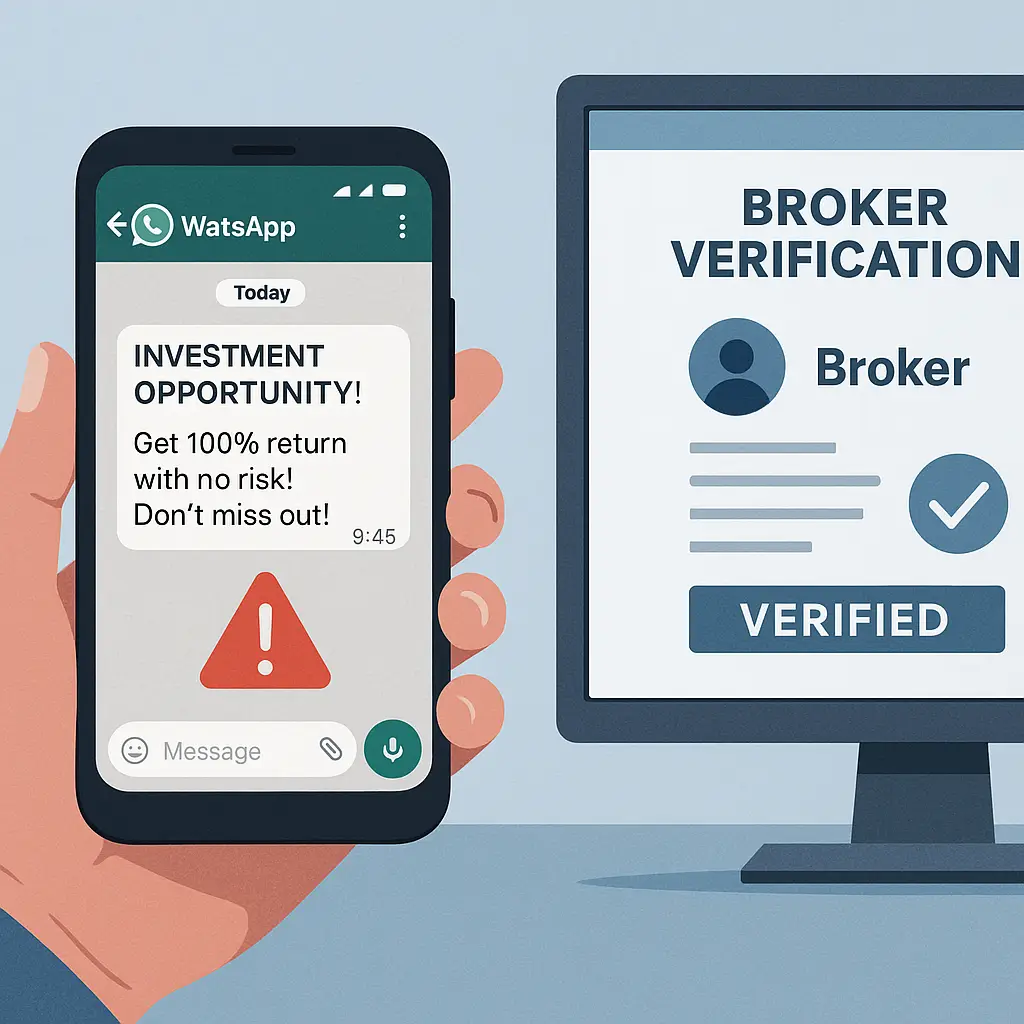
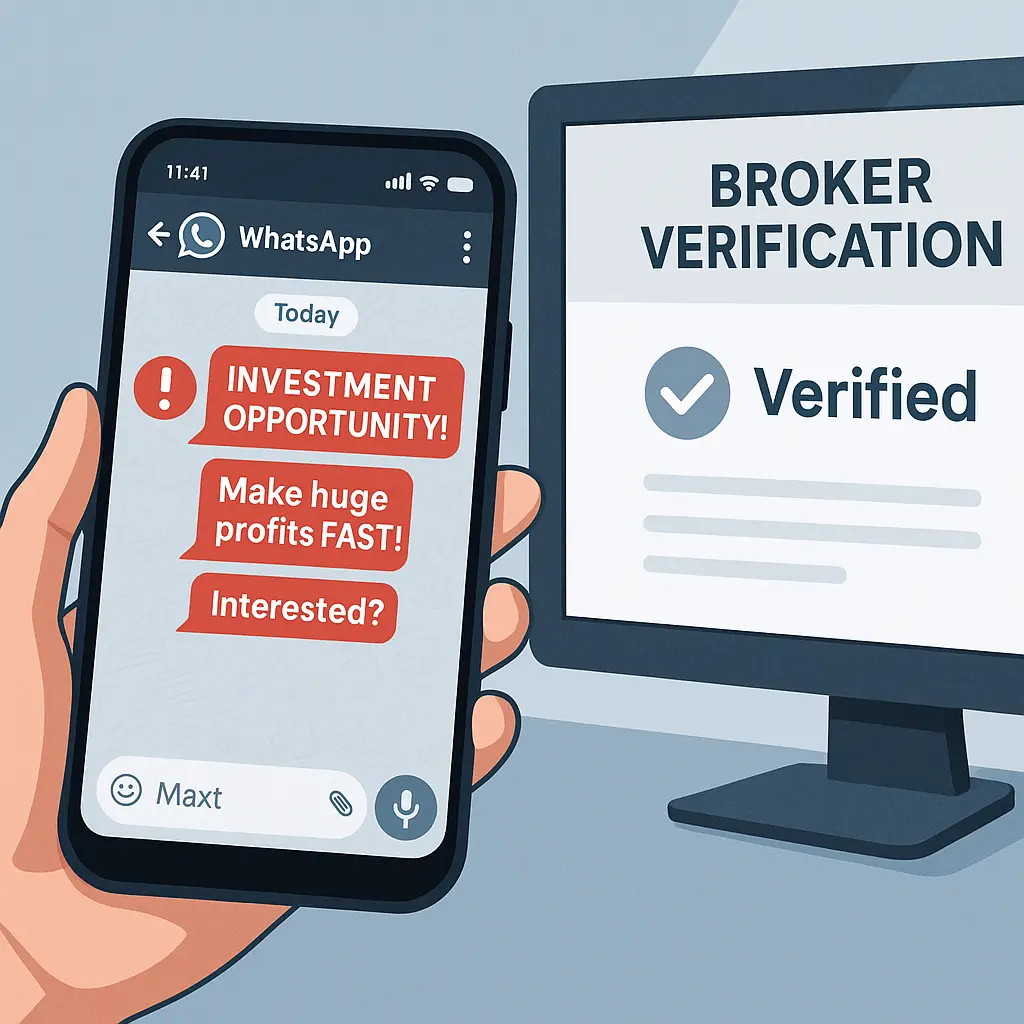
The message arrives on WhatsApp from an unknown number. Professional profile photo. Polite greeting. They claim to work for a well-known brokerage. They've noticed your interest in investing (how did they know?) and want to share an exclusive opportunity. Minimum investment is reasonable. Returns are impressive but not absurd. They send screenshots of other clients' profits. They answer your questions patiently. They never pressure you.
Everything feels legitimate except for one detail: no real broker contacts you this way.
I've watched this scam evolve over two decades. The platform changes (ICQ, AIM, Skype, Telegram, now WhatsApp), but the mechanism stays consistent. Scammers build trust through patient conversation, create urgency through fabricated opportunities, and steal money through platforms that make recovery impossible. The WhatsApp version is particularly effective because the app's design creates false intimacy and because victims don't realize how easy it is to fake everything they're seeing.
Here's how the fraud actually works, why it succeeds, and what you need to know before you respond to that message.
The Scam Mechanism: How Fake Brokers Operate on WhatsApp
The fraud follows a predictable pattern. The scammer contacts you with a plausible story about how they found you (mutual contact, professional network, investment seminar you attended, random selection from successful professionals). They establish credibility through professional language, industry jargon, and fabricated credentials. They build rapport through patient conversation over days or weeks. They present an opportunity with specific details (company name, stock ticker, cryptocurrency, forex pair) and supporting evidence (charts, news articles, testimonials).
The hook is always the same: exclusive access to information or timing that regular investors don't have. Maybe it's pre-IPO shares. Maybe it's insider knowledge about a merger. Maybe it's a proprietary trading algorithm. The story varies, but the structure is identical. You have access to something valuable, but you need to act before the window closes.
They'll send you to a website that looks professional. Account registration feels legitimate. You might even see your name on official-looking documents. If you invest a small amount first (they often encourage this as a "test"), you'll see gains in your account. You can withdraw that initial profit to build trust. Everything works exactly as promised.
Until it doesn't.
When you invest a larger amount, the problems start. Sudden market volatility requires additional funds to protect your position. Unexpected taxes or fees must be paid before withdrawal. Regulatory compliance demands identity verification through a payment that never quite processes. The excuses multiply, but the pattern is consistent: more money flows in, nothing flows out.
The FTC reports that investment scams resulted in around $4.6 billion in reported losses in 2024, with the median individual loss exceeding $7,000. WhatsApp-based fraud represents a growing segment of that total, particularly targeting victims between 35 and 55 who have investable assets but limited experience with trading platforms.
Why WhatsApp Creates the Perfect Fraud Environment
WhatsApp's design makes it unusually effective for investment fraud. The platform is built for personal communication, not business transactions, which creates a false sense of intimacy that email or phone calls don't provide. When someone messages you on WhatsApp, your brain processes it as a personal connection rather than a cold business pitch.
The app's end-to-end encryption (which protects your privacy in legitimate conversations) also shields scammers from detection. Law enforcement and fraud prevention systems that monitor email and phone traffic can't see WhatsApp messages. The platform's international reach means scammers operate from jurisdictions where U.S. law enforcement has limited authority. And WhatsApp's profile photos, status updates, and "last seen" timestamps all create the illusion of a real person with a real life.
Scammers exploit every design element. They set profile photos to professional headshots (stolen from LinkedIn or stock photo sites). They craft status messages that suggest busy professional lives ("In meetings all day, will respond when I can"). They time their responses to mimic someone juggling client calls and market monitoring. The performance is consistent and convincing.
The platform also makes verification difficult. You can't easily search for someone's WhatsApp profile the way you'd search for an email address or phone number. You can't see their message history with other people. You can't verify employment through the app itself. The only information you have is what they choose to show you, and all of it can be fabricated.
The Psychology: Why Smart People Fall for This
Investment scams succeed because they exploit predictable human responses to opportunity and authority. The scammer doesn't need you to be gullible. They need you to be optimistic about your financial future, uncertain about how professional investing actually works, and willing to believe that good opportunities sometimes come from unexpected sources.
The fraud works because it mirrors legitimate professional relationships. Real brokers do reach out to potential clients. Real investment opportunities do require quick decisions. Real financial professionals do use messaging apps to communicate with clients (though not for initial contact). The scam sits close enough to reality that dismissing it feels like missing out rather than avoiding danger.
Scammers also exploit information asymmetry. Most people don't know how broker licensing works, what regulatory requirements govern client solicitation, or how legitimate firms handle new account onboarding. The scammer fills that knowledge gap with plausible-sounding procedures that seem official but have no basis in actual financial regulation.
The gradual escalation is deliberate. By the time you realize something is wrong, you've already invested enough money that admitting the fraud means accepting a significant loss. The sunk cost fallacy keeps victims engaged long past the point where red flags become obvious. Each additional payment feels like protecting your initial investment rather than throwing good money after bad.
How to Verify if Someone Is a Real Broker
Legitimate brokers in the United States must register with the Financial Industry Regulatory Authority (FINRA). You can verify anyone claiming to be a broker through FINRA BrokerCheck, a free public database that shows licensing, employment history, and any disciplinary actions. If the person messaging you on WhatsApp is a real broker, they'll appear in this database. If they don't, they're not licensed to sell securities in the U.S.
Real verification requires more than checking the name. Scammers steal identities of actual licensed brokers and impersonate them. You need to verify that the person contacting you is actually the person whose license you found. Call the brokerage firm using a phone number you find independently (not one the WhatsApp contact provides) and ask to be connected to that broker. If the firm has never heard of them, or if the real broker says they didn't contact you, you're talking to a scammer.
For international brokers or cryptocurrency platforms, verification is harder but still possible. Legitimate firms have verifiable business addresses, published phone numbers, and regulatory registrations you can check through government databases. If the only way to contact them is through WhatsApp, that's not a legitimate business.
Red flags that indicate fraud: the broker contacted you first through WhatsApp, they can't provide a business phone number where you can reach them during business hours, they pressure you to act quickly before verifying their credentials, they ask for payment through cryptocurrency or wire transfer to personal accounts, they discourage you from discussing the opportunity with family or other financial advisors, or they claim to work for a well-known firm but can't provide official company email or documentation.
What Legitimate Broker Contact Actually Looks Like
Real brokers don't cold-message potential clients on WhatsApp. The financial industry has strict regulations about client solicitation, and unsolicited contact through personal messaging apps violates those rules for registered firms.
When legitimate brokers reach out to potential clients, they use official channels. Cold calls happen (though they're regulated and must follow specific disclosure requirements). Direct mail happens. Email from company domains happens. LinkedIn messages from verified business accounts happen. But a licensed broker at a regulated firm will not initiate client relationships through WhatsApp messages from personal phone numbers.
If you've expressed interest in working with a specific firm (by filling out a contact form, attending a seminar, or requesting information), a broker from that firm might follow up. But that follow-up will come through official channels with verifiable contact information. They'll invite you to their office or set up a formal phone call. They'll send you official documents on company letterhead. They'll provide you with their FINRA registration number and encourage you to verify it.
Real brokers want you to verify their credentials. Scammers discourage verification because it exposes the fraud.
The Fake Trading Platform: How the Theft Actually Happens
The scammer will eventually direct you to a trading platform where you'll create an account and deposit funds. This platform is completely fake. It's a website designed to look like a legitimate brokerage interface, but none of the trading is real. Your money goes directly to the scammer's account. Everything you see after that (account balances, trade executions, profit statements) is fiction.
The platform might show real-time market data to create authenticity. It might let you place trades that appear to execute at market prices. It might generate official-looking statements with your name and account number. None of it is real. The scammer controls every number you see.
Some victims report being able to withdraw small amounts early in the relationship. This is deliberate. The scammer lets you take out $500 or $1,000 to prove the platform works. You tell friends about your success. You invest more. Then the withdrawal problems start.
The FBI's Internet Crime Complaint Center documented this pattern in their 2023 report. Investment fraud victims who reported initial successful withdrawals lost significantly more money overall than victims who never received any funds back. The small payout functions as bait that leads to larger losses.
The Cultural Reference: The Confidence Game in Ocean's Eleven
In Ocean's Eleven, Danny Ocean's crew doesn't just steal money. They build an elaborate fiction that makes Terry Benedict believe he's in control even as they empty his vault. The con works because Benedict sees what he expects to see: security systems functioning, guards patrolling, money safely locked away. The reality underneath is completely different, but the surface performance is flawless.
WhatsApp investment scams work the same way. You see a professional broker, a legitimate platform, real trades, actual profits. The performance is convincing because scammers have refined it through thousands of iterations. They know which details matter (professional language, patient responses, small initial withdrawals) and which don't (actual licensing, real trading, legitimate business structure). The surface is polished. The mechanism underneath is pure theft.
The difference is that Ocean's crew stole from a casino owner who could afford the loss. WhatsApp scammers steal from people who can't.
What to Do If You've Already Engaged with a Suspected Scammer
If you've been messaging someone on WhatsApp who claims to be a broker, stop all contact immediately. Don't send any more money. Don't follow their instructions for "recovering" funds you've already sent. Don't agree to pay taxes, fees, or verification charges. Every additional payment goes to the scammer.
If you've already sent money, report it immediately. File a complaint with the FTC and the FBI's IC3. Contact your bank or credit card company if you used those payment methods (though recovery is unlikely for wire transfers or cryptocurrency). Report the WhatsApp account to WhatsApp (though the scammer will simply create a new one).
Document everything. Screenshot the WhatsApp conversations, save any emails or documents the scammer sent, record the website URLs and account information. This documentation won't recover your money, but it helps law enforcement track the operation and potentially prevent future victims.
Don't expect to get your money back. Investment scams typically route funds through cryptocurrency or international transfers that are nearly impossible to trace or reverse. The scammer may offer to help you "recover" your losses if you pay an upfront fee. This is the same scam continuing. Real recovery services don't charge fees before recovering money.
The Broader Pattern: Why This Scam Keeps Working
WhatsApp broker scams succeed because they exploit gaps between how people think financial services work and how they actually work. Most people have never worked with a broker, don't know what legitimate client onboarding looks like, and assume professional appearance equals professional legitimacy.
The scam also benefits from victims' reluctance to report. Admitting you lost money to a WhatsApp scammer means admitting you made a significant financial decision based on an unsolicited message from a stranger. The embarrassment keeps people silent, which means the scam continues to find new victims who've never heard the warning.
Security professionals often say that investment fraud is a "people problem, not a technology problem." That's true but incomplete. The problem is that scammers have professionalized fraud to the point where it looks and feels like legitimate business. The solution isn't just individual awareness. It's structural change that makes verification easier and fraud harder.
In my experience, the most effective defense is simple: if someone contacts you on WhatsApp claiming to be a broker, they're not. Real brokers don't work that way. The platform, the approach, and the pitch are all wrong. You don't need to verify credentials or research the opportunity. You just need to delete the message and block the number.
What Actually Protects You
The defense against WhatsApp investment fraud is straightforward: never engage with unsolicited investment offers through personal messaging apps. If you're interested in investing, research firms yourself, verify their registration through FINRA BrokerCheck, and initiate contact through official channels.
When evaluating any investment opportunity, ask questions that scammers can't answer: Can I visit your office? Can you provide references from current clients I can contact independently? Can I verify your employment by calling your firm's main number? Will you put all promises in writing on company letterhead? Legitimate brokers will say yes to all of these. Scammers will have excuses.
Trust your instincts about urgency. Real investment opportunities don't evaporate in 24 hours. Real brokers don't pressure you to act before verifying their credentials. Real firms don't discourage you from consulting with family, accountants, or other advisors. If someone is rushing you toward a decision, they're trying to prevent you from thinking clearly.
The Consumer Financial Protection Bureau recommends a simple rule: if you didn't seek out the investment, don't invest. Cold contact through any channel (phone, email, social media, messaging apps) should trigger immediate skepticism. Legitimate financial professionals build relationships through referrals, professional networks, and clients who actively sought them out. They don't hunt for victims on WhatsApp.
The Reality Check You Need
No real broker contacts you on WhatsApp. Not for initial outreach. Not for legitimate investment opportunities. Not ever. The platform, the approach, and the pitch are all markers of fraud. If someone messages you claiming to be a broker, they're lying. If they show you credentials, those credentials are stolen or fabricated. If they direct you to a trading platform, that platform is fake. If they let you withdraw money initially, it's bait for a larger theft.
This isn't cynicism. It's pattern recognition based on how financial services actually work. Real brokers operate under regulatory frameworks that prohibit the behavior scammers use. Real firms have verification systems that scammers can't fake if you actually use them. Real investment opportunities don't arrive through unsolicited WhatsApp messages from strangers.
The scam succeeds because it looks professional and feels personal. The defense succeeds because it's simple: if you didn't initiate contact through official channels, don't engage. Delete the message. Block the number. Move on. Your financial future doesn't depend on responding to strangers on WhatsApp. It depends on making informed decisions through legitimate channels with verified professionals.
That's the reality check. No exceptions. No special cases. No "but this one seems different." If it's on WhatsApp and you didn't initiate it, it's fraud.