Zelle fraud reimbursement: what's actually covered, what isn't
You sent money on Zelle. Then you realized it was a scam. Now you want to know if you're getting that money back.
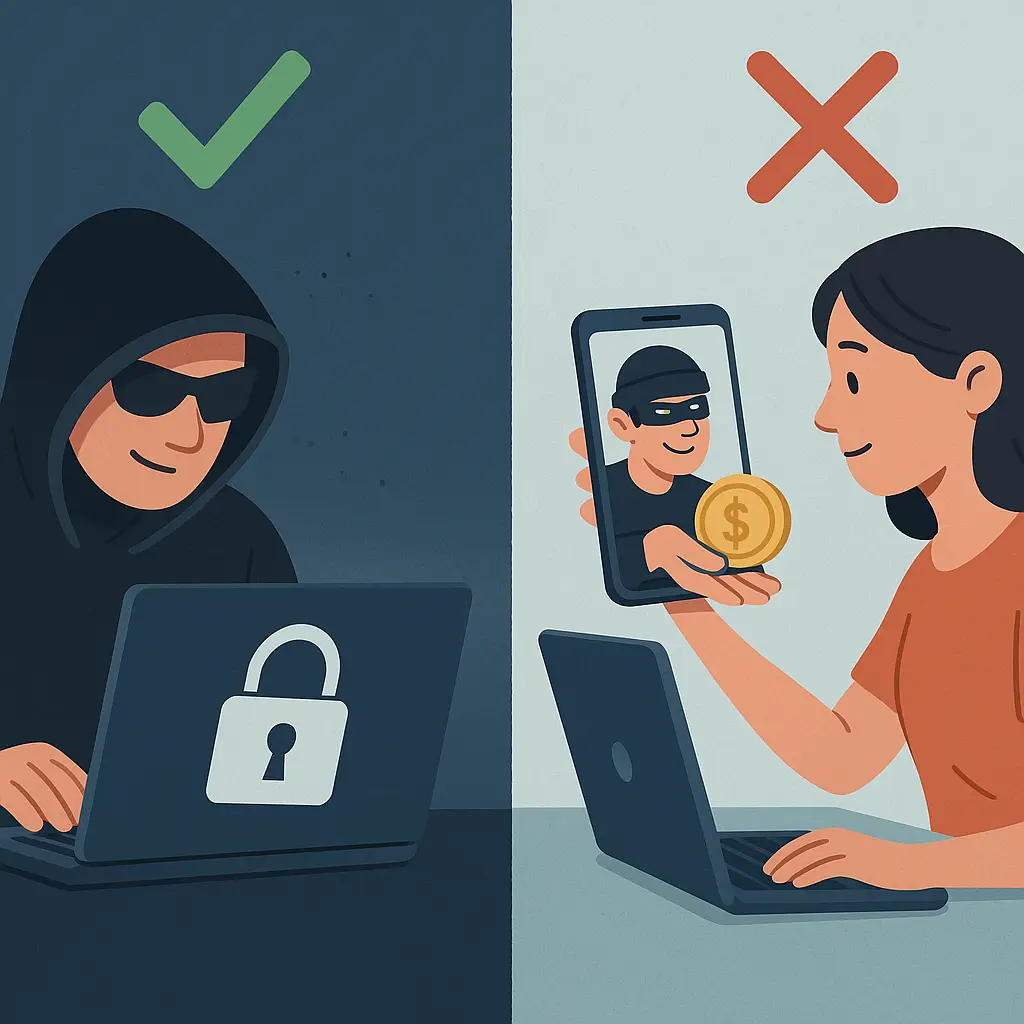
The answer depends on a distinction that feels unfair but governs how banks handle fraud claims: did someone access your account without permission, or did you authorize the payment yourself after being deceived?
That difference determines everything. Banks reimburse the first scenario. They rarely reimburse the second. Understanding why requires looking at how Zelle works, how fraud protections apply, and what "reimbursement" actually means in practice.
How Zelle handles payments
Zelle is a peer-to-peer payment network owned by Early Warning Services, a consortium of major U.S. banks. When you send money through Zelle, the payment moves directly from your bank account to the recipient's bank account. The transfer is instant. There's no intermediary holding the funds. No payment processor reviewing the transaction. No delay.
That speed is the feature. It's also the problem.
Credit card payments route through networks that hold funds temporarily and provide dispute mechanisms. Zelle doesn't. The money leaves your account immediately and arrives in the recipient's account within seconds. Once sent, the transaction is final. Zelle has no mechanism to reverse payments, freeze funds, or claw back money from the recipient's account.
Your bank can't reverse a Zelle payment unilaterally. The recipient's bank won't return funds without the recipient's consent. If the recipient refuses, the money stays gone.
This architecture makes Zelle fast and convenient for legitimate payments between people you trust. It also makes it irreversible when you send money to a scammer.
The fraud versus scam distinction
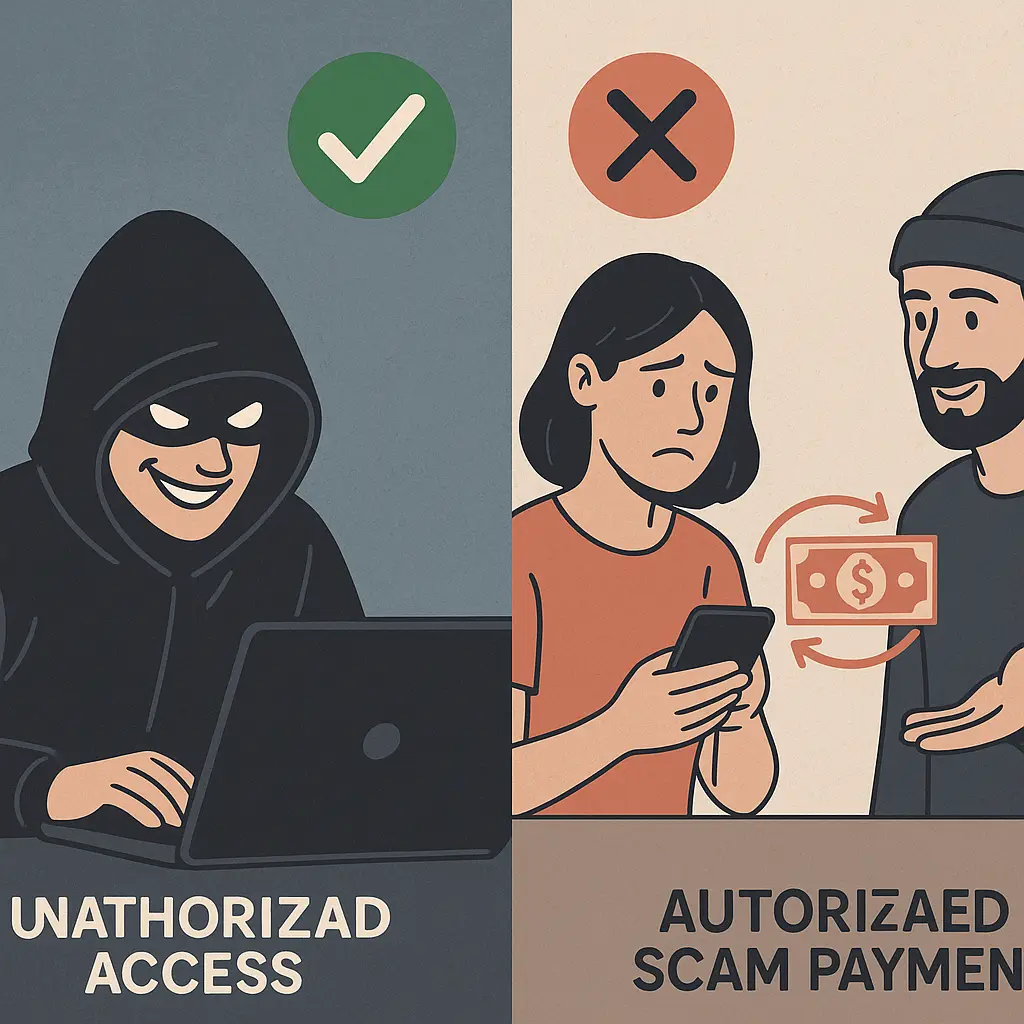
Banks draw a line between two scenarios: unauthorized fraud and authorized scams.
Unauthorized fraud happens when someone accesses your account without your permission and sends money. Examples: someone steals your phone and sends Zelle payments while you're asleep. Someone phishes your online banking credentials, logs in as you, and transfers money out. Someone uses malware to intercept your session and initiate payments you didn't approve.
In these cases, you didn't authorize the transaction. The bank's fraud protections generally cover this. Federal law (Regulation E) requires banks to investigate unauthorized electronic fund transfers and reimburse you if the claim is valid. Most banks follow this framework for Zelle, though Zelle itself isn't a bank and doesn't set reimbursement policy.
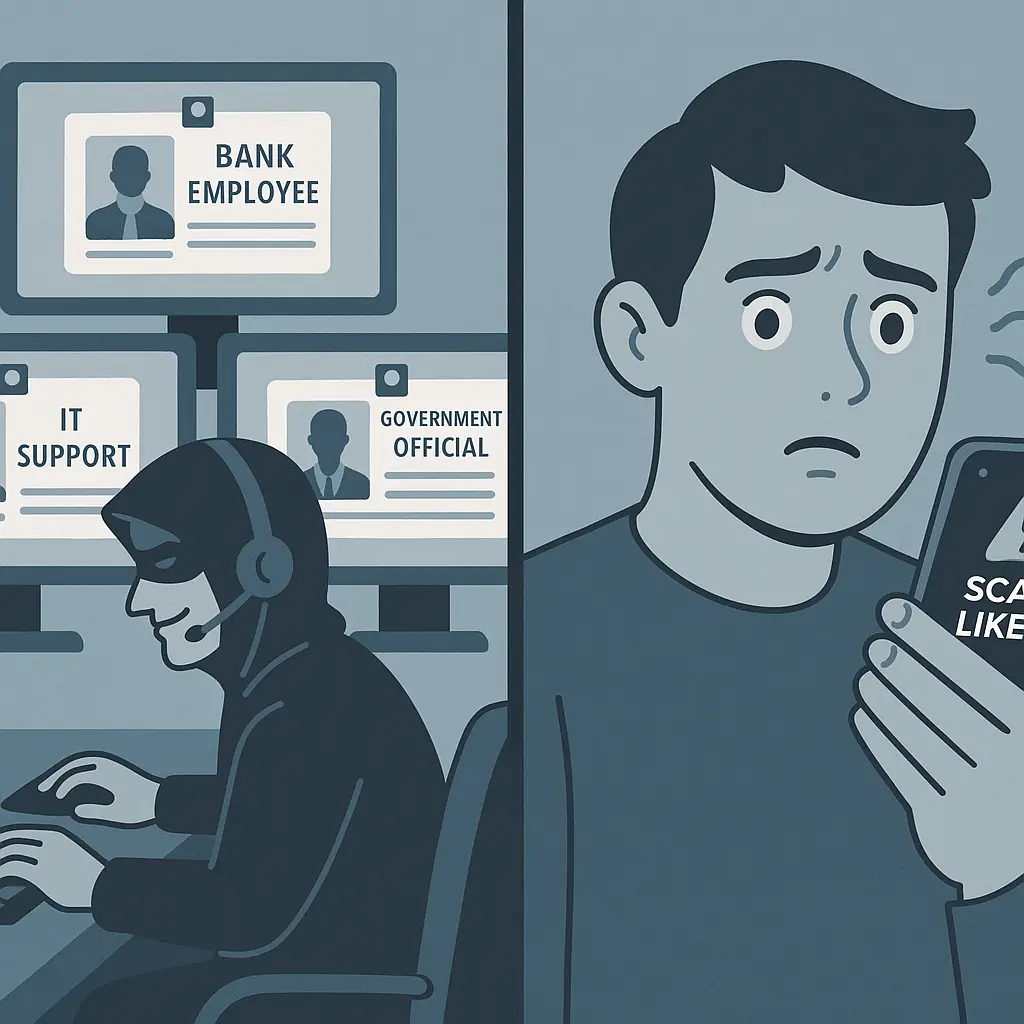
Authorized scams happen when you send the payment yourself after being deceived. Examples: someone impersonates your bank and convinces you to send money to "verify your account." Someone poses as a family member in distress and asks for emergency funds. Someone runs a fake rental listing and requests a deposit. Someone promises you a refund but asks you to send money first to "process" it.
In these cases, you authorized the transaction. You entered the recipient's information. You confirmed the payment. The bank processed a legitimate instruction from you. The fact that a scammer tricked you into giving that instruction doesn't change the authorization status.
Banks rarely reimburse authorized scam payments. The Consumer Financial Protection Bureau has received thousands of complaints about this, but the legal framework doesn't require reimbursement for payments you authorized, even under false pretenses.
What Regulation E actually covers
Regulation E is the federal rule governing electronic fund transfers. It requires banks to investigate unauthorized transactions and limits your liability if someone accesses your account without permission.
Here's what it does: if you report an unauthorized electronic fund transfer within two business days, your liability is capped at around $50. If you report it later but within 60 days, your liability can go up to around $500. If you wait longer than 60 days after your statement showing the unauthorized transfer, you could be liable for all the money taken after that 60-day period.
Here's what it doesn't do: cover payments you authorized, even if you were deceived. Regulation E protects you from account takeovers, not from making bad decisions under false information.
The distinction matters because scammers exploit it. They don't hack your account. They convince you to send money willingly. That keeps the transaction outside Regulation E's protections.
Some consumer advocates argue this framework is outdated. In The Good Place, the points system initially seems fair until you realize the complexity of modern life makes it nearly impossible to act ethically without unintended consequences. The same dynamic applies here: the legal framework treats "authorization" as a clear binary, but scammers have spent two decades learning how to manufacture authorization through deception that feels indistinguishable from coercion to the victim.
That's the tension. The law says you authorized it. You feel like you were robbed. Both things are true.
How banks actually handle Zelle fraud claims
When you file a fraud claim with your bank, the bank investigates. The process varies by institution, but the core steps are similar.
First, the bank asks you to describe what happened. They want to know: did you authorize the payment, or did someone access your account without permission? Did you recognize the recipient? What led you to send the money?
Your answers determine the path forward. If you say someone accessed your account without permission, the bank treats it as potential unauthorized fraud and investigates under Regulation E. If you say you sent the money yourself but were tricked, the bank treats it as an authorized scam, and reimbursement becomes far less likely.
The bank reviews transaction logs, device information, login history, and any communications you provide. They look for signs of account takeover: logins from unfamiliar devices, unusual transaction patterns, rapid sequences of payments that don't match your normal behavior.
If the evidence supports unauthorized access, the bank typically reimburses you, though the timeline and process vary. Some banks resolve claims within days. Others take weeks. The FTC has documented cases where banks denied claims that looked like clear fraud, and cases where banks reimbursed scam payments as a customer service gesture even though they weren't required to.
If the evidence shows you authorized the payment, the bank usually denies the claim. Some banks offer goodwill reimbursements in specific cases, particularly for customers with long relationships or when the scam involved impersonation of the bank itself. But this is discretionary, not guaranteed.
Why some scam victims get reimbursed and others don't
Banks don't publicize their internal policies for handling edge cases, but patterns emerge from consumer complaints and advocacy group reports.
Reimbursement is more likely if:
- The scammer impersonated the bank or a government agency
- You reported the scam within minutes or hours of sending the payment
- You have a long history with the bank and no prior fraud claims
- The scam involved sophisticated tactics like spoofed caller ID showing the bank's real number
- The bank's own employees gave you incorrect information that contributed to the loss
Reimbursement is less likely if:
- You sent money to someone you met online and never verified their identity
- You ignored multiple warnings from the app or website about scam risks
- You waited days or weeks to report the loss
- You've filed multiple fraud claims in the past
- The scam involved a "too good to be true" offer that you pursued despite red flags
These aren't official rules. They're patterns. Two people with nearly identical stories can get different outcomes depending on which bank they use, which representative handles their claim, and how they describe what happened.
What happens when you report a scam to the FTC
The FTC's fraud reporting system collects complaints but doesn't recover your money. When you file a report, the FTC adds your case to a database that law enforcement agencies use to identify patterns and build cases against scammers.
Your individual report probably won't result in direct action on your case. The FTC doesn't investigate individual fraud claims. They don't have the resources or the mandate. What they do is aggregate reports to spot trends, issue warnings, and coordinate with other agencies on enforcement actions against large-scale fraud operations.
Filing a report still matters. The data helps. It contributes to the Consumer Sentinel Network, which around 3,000 law enforcement agencies access to investigate fraud. It helps the FTC identify emerging scams and issue public alerts. It creates a record if you need to dispute the transaction with your bank or pursue other remedies.
But it won't get your money back. That's not what the FTC does.
The payment-sent-in-error scam
One common Zelle scam exploits the reimbursement process itself.
Here's the mechanism: someone sends you money on Zelle. You don't know them. The payment just appears in your account. Then they contact you, claiming they sent it by mistake. They ask you to send it back.
If you send the money back using Zelle, you've just been scammed.
What actually happened: the scammer sent you money from a compromised account. When the real account owner reports the unauthorized transaction, the bank reverses the original payment and pulls the money back out of your account. But the money you sent to the scammer is gone. You're out the full amount.
The scam works because Zelle payments are instant and final in one direction, but banks can still reverse unauthorized transactions after investigation. The scammer exploits the time gap between when you send the money back and when the bank reverses the original fraudulent payment.
If someone sends you money on Zelle by mistake, don't send it back through Zelle. Contact your bank and report the erroneous payment. Let the bank handle the reversal. That's the only safe path.
How Zelle compares to credit cards on fraud protection
Credit card fraud protection is stronger because the payment architecture is different.
When you pay with a credit card, you're borrowing money from the card issuer to pay the merchant. The card issuer pays the merchant, then bills you. If you dispute the charge, the card issuer can withhold payment from the merchant or claw it back through a chargeback process.
The Truth in Lending Act caps your liability for unauthorized credit card charges at $50, and most issuers waive that entirely. If you dispute a charge for goods or services you didn't receive, the card issuer investigates and can reverse the charge if your claim is valid.
Zelle has none of this. There's no intermediary holding funds. No chargeback mechanism. No merchant dispute process. The money moves directly from your account to the recipient's account, and it stays there unless the recipient voluntarily sends it back.
This makes Zelle great for paying people you trust. It makes it terrible for paying people you don't.
What you can actually do to protect yourself
The most effective defense is to treat Zelle like cash. Once you hand it over, it's gone.
Use Zelle only for people you know and trust. If you're paying for goods or services from someone you met online, use a credit card or a payment platform with buyer protection. If someone you don't know asks you to pay via Zelle, that's the scam.
Verify requests that seem urgent or unusual, even if they appear to come from someone you know. Scammers impersonate family members, friends, and authority figures. If your "bank" texts you asking to verify a transaction by sending money, call the bank directly using the number on your card or statement, not the number in the message.
Don't click links in unsolicited messages about Zelle payments. Scammers send fake fraud alerts that link to phishing sites designed to steal your banking credentials. If you get a message about suspicious Zelle activity, go directly to your bank's app or website.
Enable two-factor authentication on your bank account. This won't stop you from authorizing a scam payment, but it makes unauthorized account access harder.
Check your bank account regularly. The faster you spot unauthorized transactions, the stronger your Regulation E protections.
The reimbursement reality
Here's the summary: if someone hacks your account and sends Zelle payments without your permission, you'll probably get reimbursed. If you authorize the payment yourself after being tricked, you probably won't.
That distinction feels unfair because scammers are professionals at manufacturing authorization. They impersonate banks, government agencies, and loved ones. They create urgency. They exploit trust. They make the scam feel legitimate until it's too late.
But the legal framework treats authorization as a bright line. You either authorized the payment or you didn't. The fact that you were deceived doesn't change the authorization status in the eyes of Regulation E.
Some banks are more generous than others. Some will reimburse scam payments as a customer service gesture. Some won't. The outcome depends on your bank's internal policies, the specific facts of your case, and how you present your claim.
The best protection is to never send the payment in the first place. Use Zelle only for people you know. Verify unusual requests. Treat every unsolicited message about urgent payments as a scam until proven otherwise.
And if you do get scammed, report it immediately. File a claim with your bank. Report it to the FTC. The odds of reimbursement aren't great, but they're better if you act fast.
The system isn't built to protect you from authorized scams. It's built to protect you from unauthorized access. Understanding that distinction won't get your money back, but it explains why the money's gone.