What you can actually do if your SSN is exposed
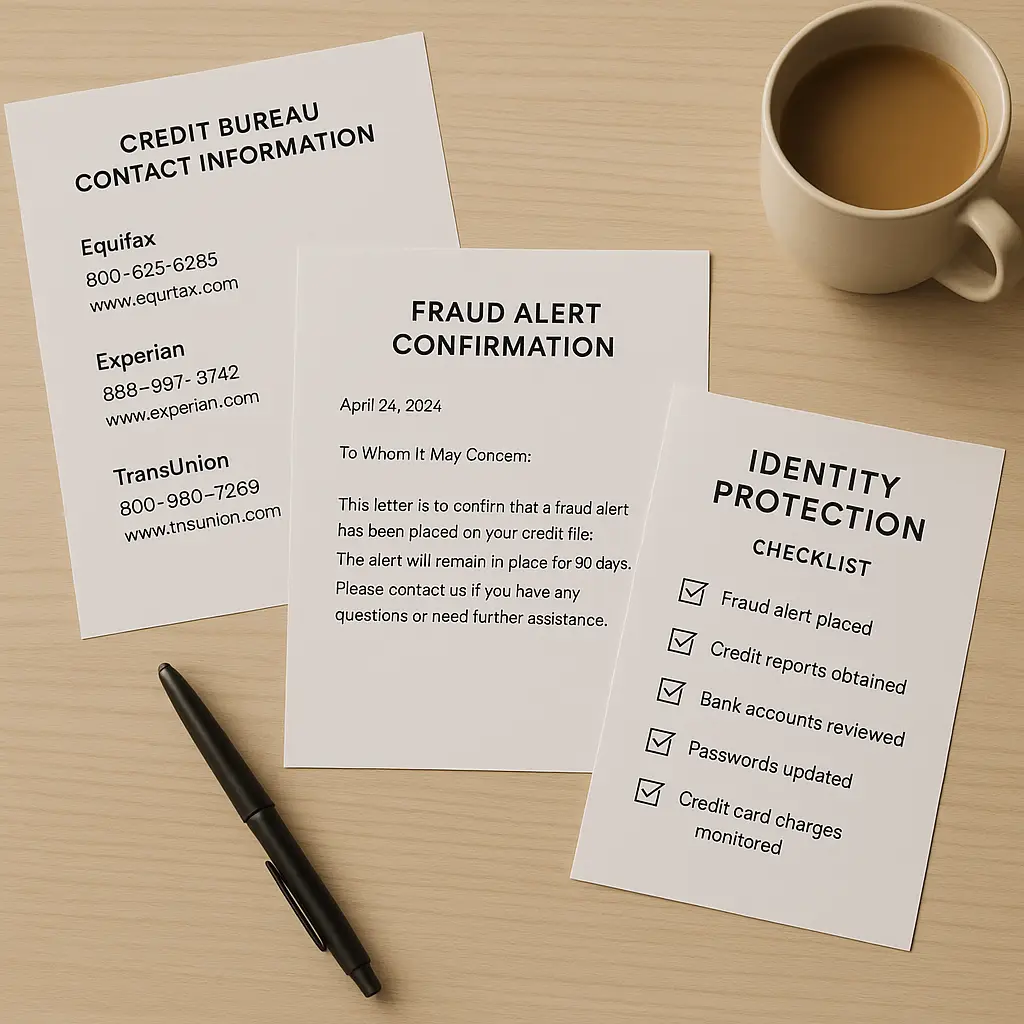
Your Social Security number appeared in a breach notification. The email says millions of records were exposed. You're supposed to do something, but the notification is vague, the advice is generic, and you're not sure what actually matters.
Here's what you need to know: your SSN has probably been exposed before. Have I Been Pwned tracks billions of compromised records, and researchers estimate that the majority of American adults have had their SSN exposed in at least one breach. The Equifax breach alone affected 147 million people in 2017. The question isn't whether your number is out there. The question is what you do about it.
This is a practical guide. We'll walk through the exact sequence of steps to take after SSN exposure, what each action protects, and why some advice you'll read elsewhere wastes your time. The goal is to reduce your fraud risk to a manageable baseline and then maintain that protection long-term.
What SSN exposure actually means
Your Social Security number is a nine-digit identifier that unlocks credit applications, tax filings, employment verification, medical records, and government benefits. It was never designed to be a secret. The Social Security Administration created it in 1936 as an account number for tracking retirement contributions, not as a security credential.
The problem is that the financial system treats your SSN as proof of identity. If someone knows your name, date of birth, and SSN, they can apply for credit cards, open bank accounts, file fraudulent tax returns, and claim government benefits in your name. They don't need your permission. They don't need to look like you. They just need those three pieces of information.
When a breach exposes your SSN, attackers gain one of the three pieces. They often get all three, along with your address, phone number, and email. That data moves through criminal markets, gets tested against account systems, and fuels fraud. The timeline varies. Some breaches lead to immediate fraud attempts. Others sit dormant for years before someone uses the data.
The Verizon Data Breach Investigations Report tracks how stolen credentials get weaponized. Around 80% of breaches involve compromised credentials. The fraud doesn't always happen immediately, but once your data is out there, it stays out there.
Step 1: Freeze your credit at all three bureaus
This is the single most important action. A credit freeze prevents lenders from accessing your credit report, which stops anyone from opening new accounts in your name. It's free, it's instant, and it works.
You need to freeze your credit at all three major credit bureaus: Equifax, Experian, and TransUnion. Freezing at one bureau doesn't freeze the others. Lenders check different bureaus, so attackers will just use whichever one you left open.
Here's how to do it:
Equifax: Go to equifax.com/personal/credit-report-services/credit-freeze. Create an account or log in. Click "Freeze" and follow the prompts. You'll receive a confirmation email.
Experian: Go to experian.com/freeze/center.html. Create an account or log in. Click "Add a Security Freeze" and follow the prompts. You'll receive a confirmation email.
TransUnion: Go to transunion.com/credit-freeze. Create an account or log in. Click "Add a Freeze" and follow the prompts. You'll receive a confirmation email.
The process takes around 10 minutes per bureau. You'll need to provide your name, address, date of birth, and Social Security number. The bureaus will ask security questions based on your credit history. Answer them, and the freeze activates immediately.
A freeze doesn't hurt your credit score. It doesn't affect your existing accounts. You can still use your credit cards, pay your bills, and apply for jobs. It just stops new credit applications.
When you need to apply for credit, you temporarily lift the freeze at the bureau the lender uses. You log into your account, click "Thaw," and set a time window. The freeze automatically reinstates after the window closes. Some people lift freezes for a day. Some lift them for a week. You control the duration.
The FTC explains credit freezes in detail. The short version: this is the tool that actually stops identity theft.
Step 2: Check your credit reports for existing fraud
Freezing your credit protects you going forward. Checking your credit reports tells you whether fraud already happened.
You're entitled to one free credit report per year from each bureau through annualcreditreport.com. Don't use any other site. This is the only federally authorized source for free reports.
Request your report from all three bureaus. You can get them all at once or space them out. If you're checking because of a breach, get all three now.
Look for accounts you didn't open. Look for hard inquiries you didn't authorize. Look for addresses you've never lived at. These are signs that someone used your SSN to apply for credit.
If you find fraudulent accounts, file a dispute with the bureau. Each bureau has an online dispute process. You'll need to provide documentation proving the account isn't yours. The bureau investigates, contacts the lender, and removes the account if the lender can't verify it.
If you find fraudulent activity, also file a report with the FTC at IdentityTheft.gov. This creates an official record of the fraud, which helps when you're dealing with creditors and debt collectors.
Step 3: Set up fraud alerts
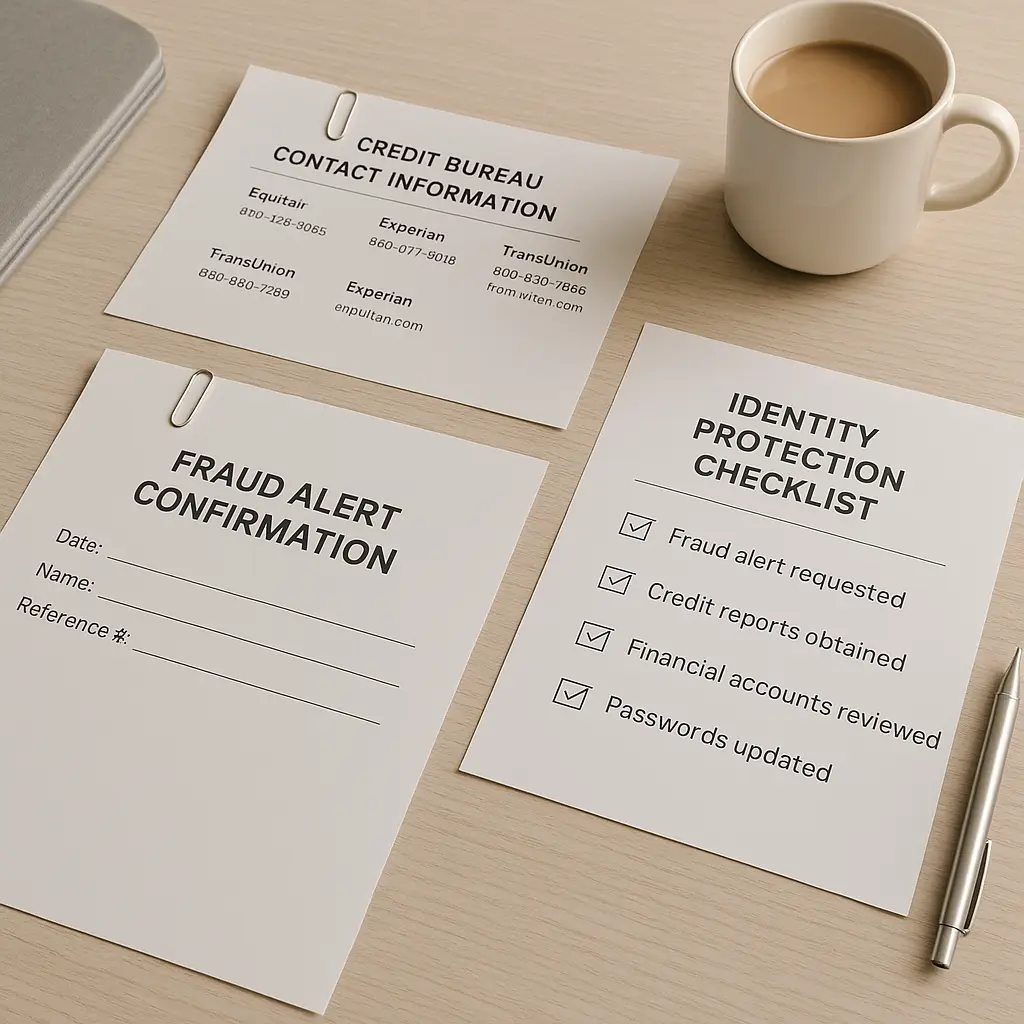
A fraud alert is a flag on your credit report that tells lenders to verify your identity before approving credit. It's weaker than a freeze, but it adds a layer of friction.
You only need to contact one bureau to set a fraud alert. That bureau notifies the other two. The alert lasts one year. You can renew it manually, or you can skip it if you've already frozen your credit.
Here's the practical reality: fraud alerts rely on lenders actually checking them. Some do. Some don't. A freeze is stronger because it blocks access entirely. But if you're not ready to freeze your credit, a fraud alert is better than nothing.
To set a fraud alert, contact any one of the three bureaus:
- Equifax: 1-800-525-6285
- Experian: 1-888-397-3742
- TransUnion: 1-800-680-7289
You'll provide your name, address, phone number, and Social Security number. The alert activates immediately.
Step 4: File your taxes early
Tax refund fraud happens when someone files a return using your SSN before you do. The IRS processes the first return it receives, pays out the refund, and then flags your legitimate return as a duplicate.
Recovering from tax fraud is a bureaucratic nightmare. It can take months to prove that you're the real taxpayer and get your refund. The IRS has a process, but it's slow.
The defense is simple: file your taxes as early as possible. The IRS starts accepting returns in late January. File in January or early February, before attackers have a chance to file fraudulent returns.
If you're a victim of tax fraud, you'll know because the IRS will reject your return. When that happens, file Form 14039, Identity Theft Affidavit, and follow the IRS recovery process. It's tedious, but it's the only path forward.
You can also request an Identity Protection PIN from the IRS. This is a six-digit code that you include on your tax return. Without the PIN, the IRS rejects the return. It's an extra step, but it stops tax fraud cold.
Step 5: Monitor your accounts for unusual activity
Credit freezes and fraud alerts protect your credit. They don't protect your existing bank accounts, credit cards, or investment accounts.
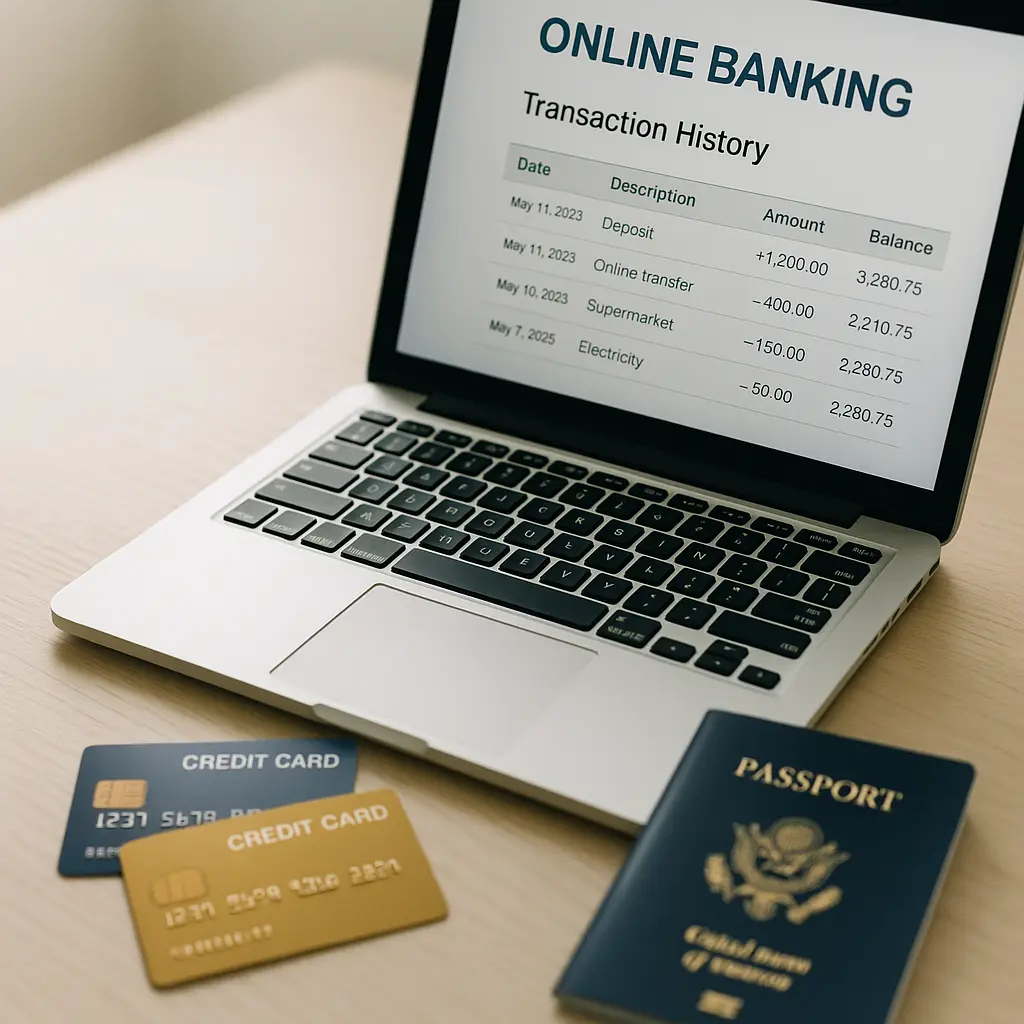
Check your accounts regularly. Look for transactions you didn't authorize. Look for login attempts from unfamiliar locations. Look for password reset emails you didn't request.
If you find unauthorized activity, report it immediately. Banks and credit card issuers have fraud departments. Call the number on the back of your card, report the fraud, and request a new card. The bank investigates, reverses the charges, and issues a new account number.
Most financial institutions send alerts for large transactions, out-of-state purchases, and unusual login locations. Enable those alerts. They're free, and they give you early warning when something's wrong.
Step 6: Decide whether to pay for monitoring services
Breach notifications often include free identity theft monitoring from companies like Experian, Equifax, or third-party services. These services monitor your credit reports, send alerts for new accounts, and scan the dark web for your personal information.
The question is whether you need them after the free period ends.
Here's the reality: credit monitoring services don't prevent fraud. They detect it after it happens. A credit freeze prevents fraud. Monitoring just tells you about it faster.
If you've frozen your credit and you check your credit reports annually, monitoring adds convenience but not protection. You're paying for alerts that tell you about activity that shouldn't be happening in the first place.
Some people find peace of mind in monitoring. Some people want the dark web scans. Some people like the insurance policies that come with premium services. Those are valid reasons to pay. Just understand that the core protection comes from freezes and vigilance, not from monitoring services.
If you want monitoring without paying, use free tools. Have I Been Pwned sends alerts when your email appears in a new breach. Credit Karma offers free credit monitoring with weekly score updates. These tools don't replace comprehensive monitoring, but they cover the basics.
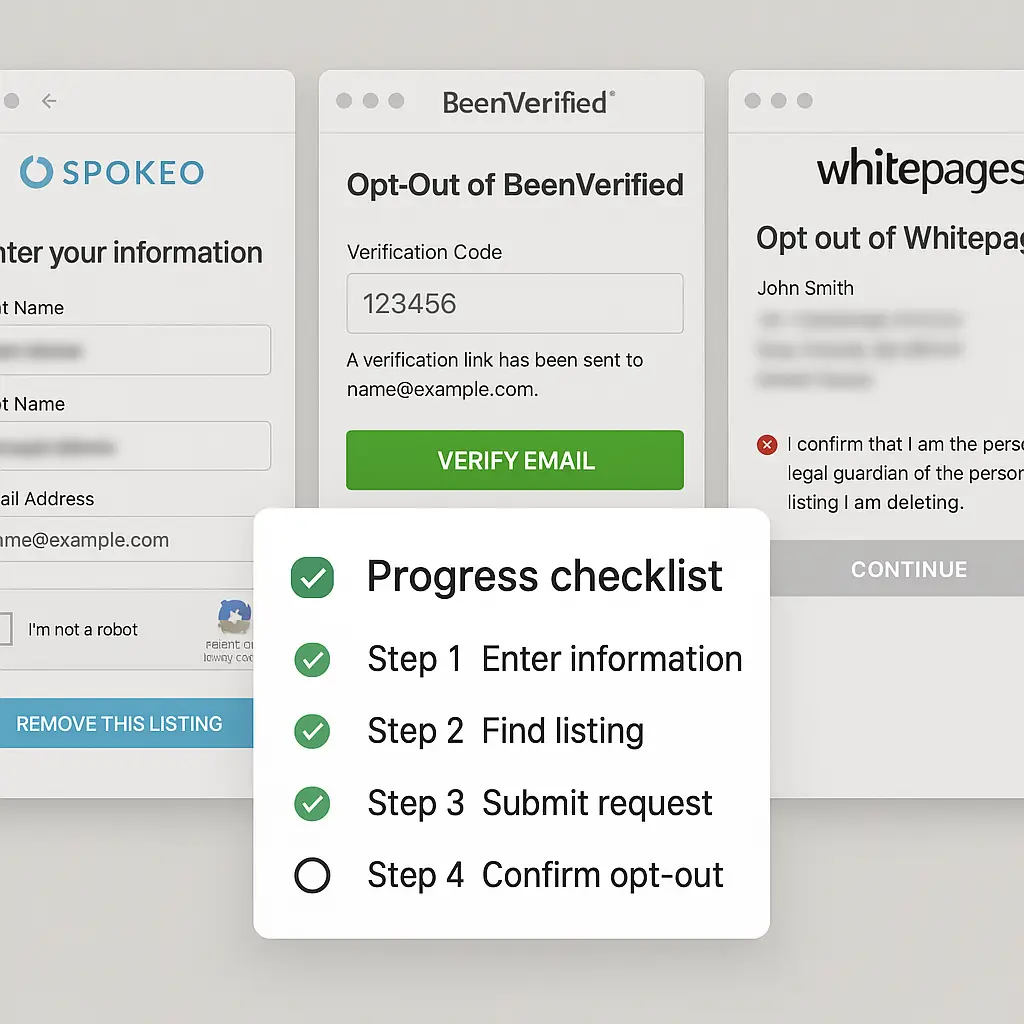
For automated data broker removal, services like Incogni submit opt-out requests to dozens of people-search sites on your behalf. This reduces your exposure in public databases, which makes it harder for attackers to gather the additional information they need to commit fraud. It's not essential, but it's a meaningful layer of defense if you want to reduce your overall data footprint.
Step 7: Understand what you can't do
You can't get a new Social Security number. The Social Security Administration issues new numbers only in cases of ongoing, documented harm, not because your number appeared in a breach. A breach notification doesn't qualify.
You can't scrub your SSN from the internet. Once it's exposed, it's exposed. Data brokers, people-search sites, and criminal forums all hold copies. You can reduce your exposure through opt-out requests, but you can't erase it entirely.
You can't prevent all fraud. Credit freezes stop new account fraud. Monitoring catches existing account fraud faster. But determined attackers can still file fraudulent tax returns, claim government benefits, or use your SSN for employment verification. The goal is to make fraud harder and catch it faster, not to achieve perfect security.
What happens next
In The Office, Michael Scott accidentally posts his credit card number in a video and spends the episode dealing with the fallout. He cancels the card, files reports, and eventually learns that fraud protection is less about one dramatic action and more about a series of small, boring steps that add up to real security.
SSN exposure works the same way. You freeze your credit. You check your reports. You file your taxes early. You monitor your accounts. None of these steps is exciting. All of them matter.
The work doesn't end after the initial response. You'll need to lift your credit freeze when you apply for loans, mortgages, or new credit cards. You'll need to check your credit reports annually. You'll need to stay alert for tax fraud, account takeovers, and synthetic identity fraud.
This becomes routine. You set calendar reminders. You check your accounts during your morning coffee. You review your credit reports when you do your taxes. It's not a crisis. It's maintenance.
Your SSN is out there. That's not changing. What changes is how you respond to that reality. Freeze your credit. Monitor your accounts. File your taxes early. These steps won't undo the breach, but they'll reduce your fraud risk to a manageable baseline. That's the best you can do, and it's enough.