End-to-end encryption: what it actually protects
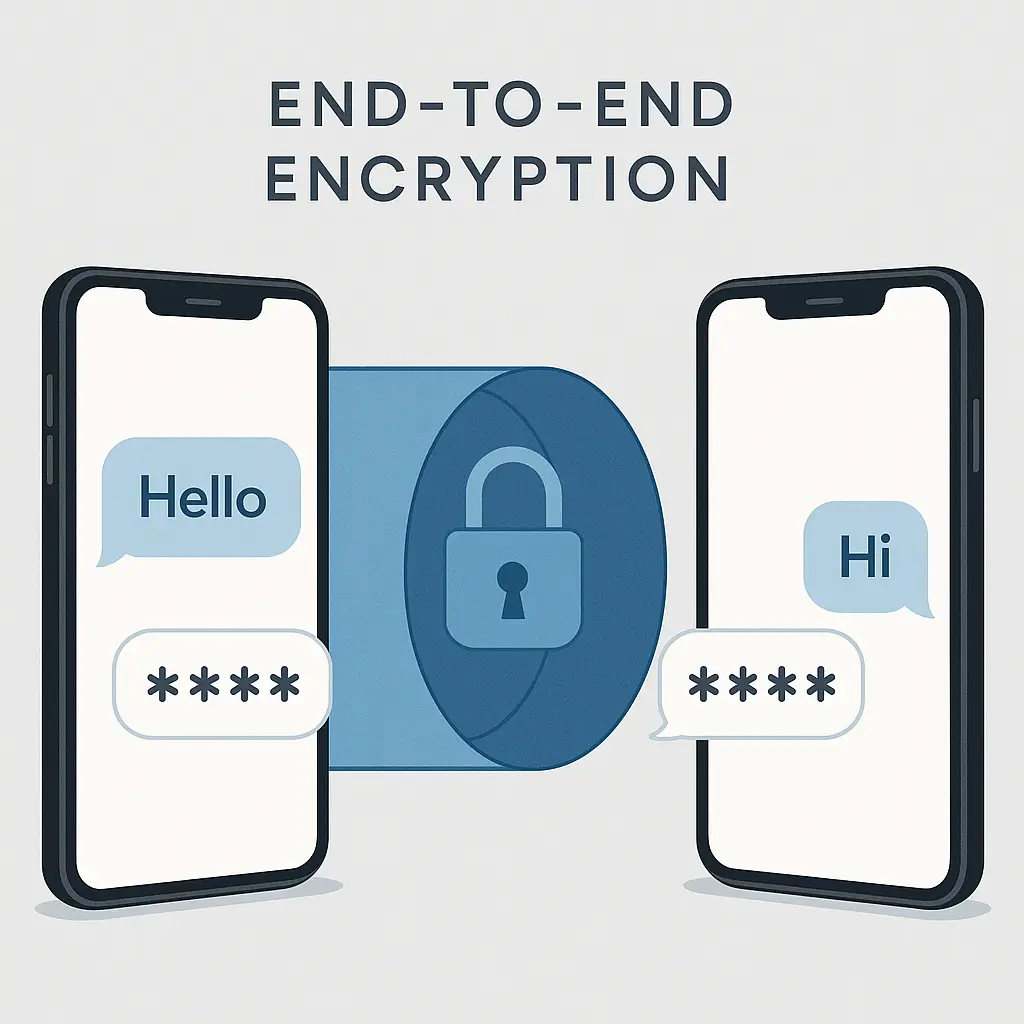
You send a message on Signal. Your friend receives it. No one in between can read it. That's the promise of end-to-end encryption, and when implemented correctly, it delivers. But the mechanism protects specific things in specific ways, and understanding what falls inside that protection versus what leaks around it matters more than the marketing suggests.
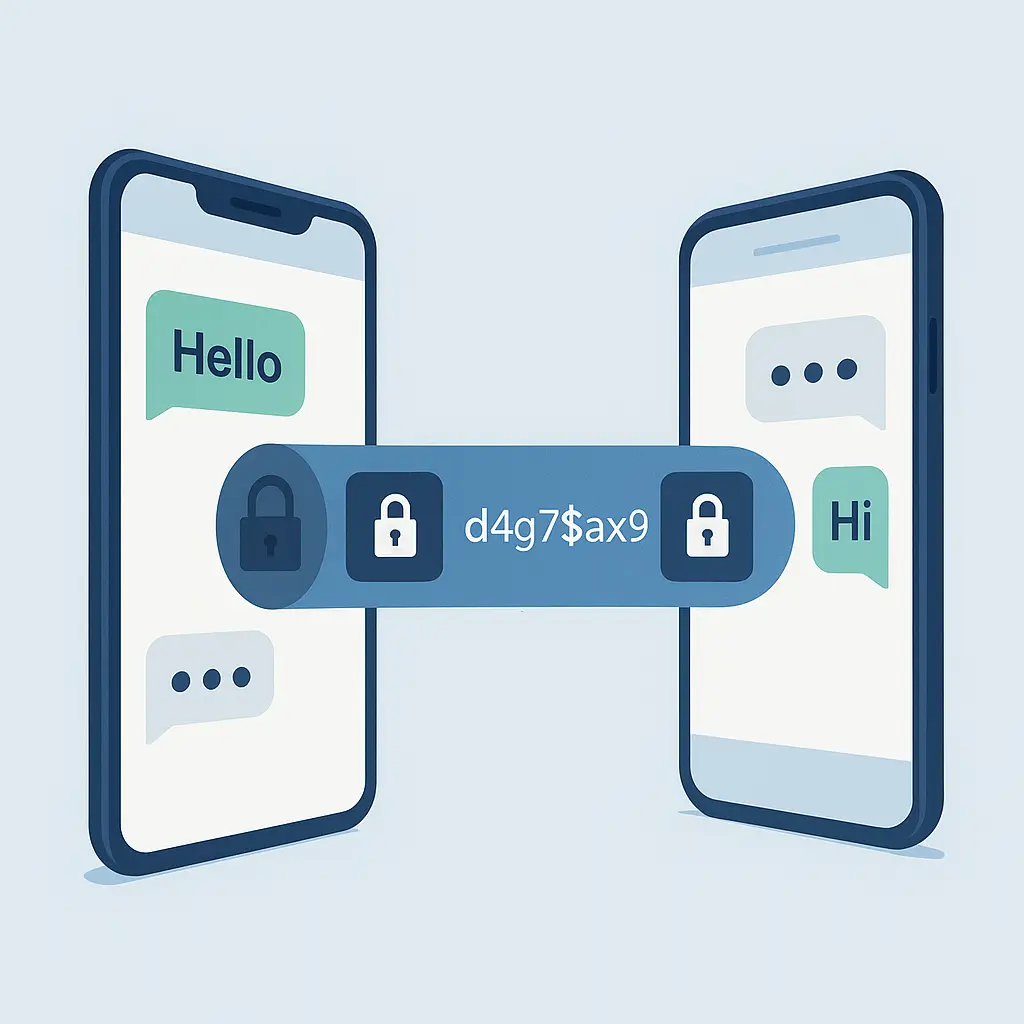
End-to-end encryption is a cryptographic architecture where only the sender and recipient hold the keys to decrypt message content. The service provider, network administrators, governments, and anyone intercepting traffic see only ciphertext. The Electronic Frontier Foundation describes this as zero-access architecture: the provider cannot read your messages even if compelled by law, because they never possess the decryption keys.
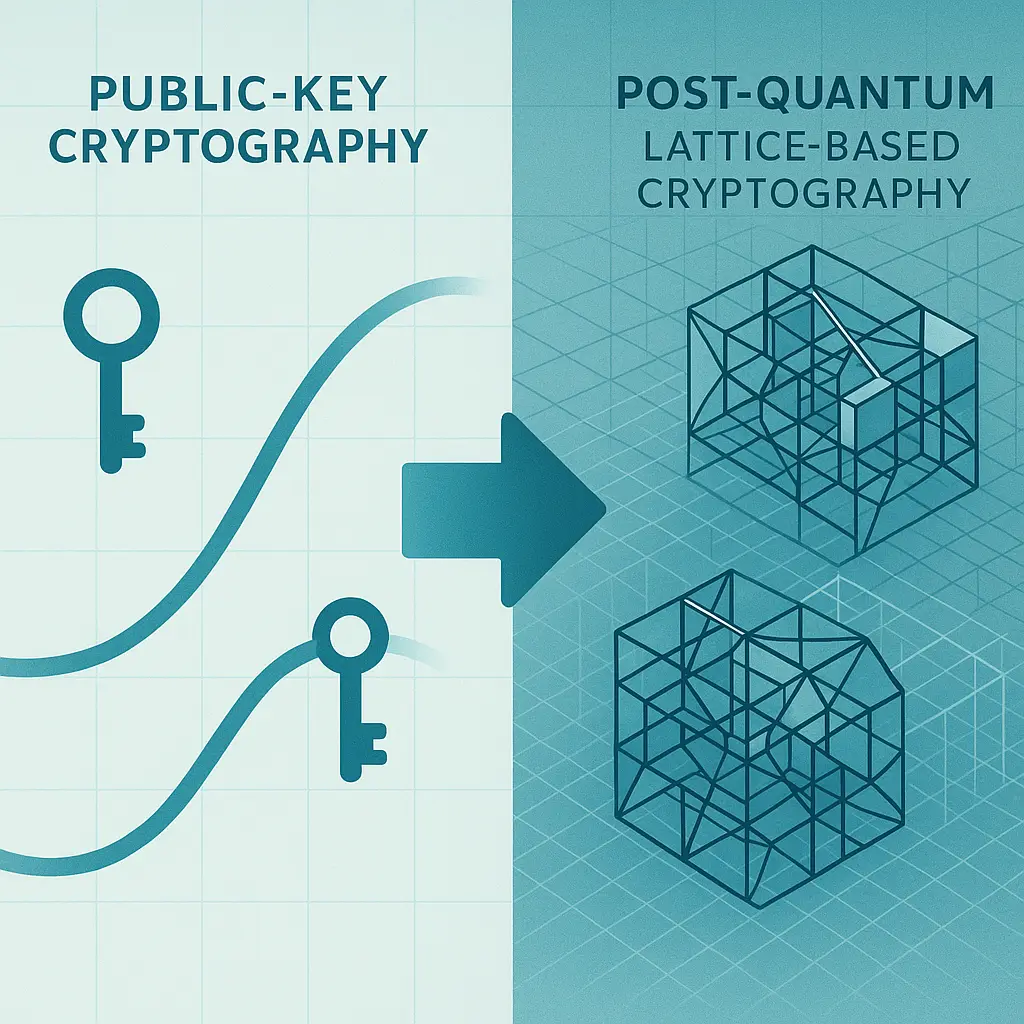
The mechanism works through public-key cryptography. When you install an encrypted messaging app, the app generates two mathematically linked keys on your device: a public key and a private key. Your public key gets shared with anyone who wants to message you. Your private key stays on your device, never transmitted, never uploaded. When someone sends you a message, their app encrypts it using your public key. Only your private key can decrypt it. The reverse happens when you reply. This asymmetric encryption ensures that even if an attacker intercepts the encrypted message in transit, they cannot read it without your private key.
Here's what that architecture actually protects: message content. The words you type, the photos you send, the voice messages you record all get encrypted before leaving your device. They travel across the internet as ciphertext. They sit on the provider's servers as ciphertext. They remain ciphertext until they reach your recipient's device, where their private key decrypts them into plaintext. At no point in that journey does the plaintext exist anywhere except on the two devices involved in the conversation.
This protection extends to group chats, though the mechanism gets more complex. In a group conversation, your app encrypts each message individually for each participant using their public keys. A message to a group of five people becomes five separately encrypted copies, each decryptable only by the intended recipient. The computational overhead increases with group size, but the security model remains: only group members hold the keys.
What end-to-end encryption does not protect is metadata. Metadata is data about your data. It includes who you message, when you message them, how often you message them, the size of your messages, your IP address, and your recipient's IP address. The Federal Trade Commission notes that metadata can reveal patterns of behavior even when content stays hidden. If you message the same person every day at the same time, that pattern is visible to the service provider regardless of encryption. If you message someone once and never again, that single connection is logged. Metadata builds a map of your social graph and communication habits.
Some apps minimize metadata collection more aggressively than others. Signal, for instance, uses sealed sender technology to strip sender information from message metadata where possible, though the mechanism has limits and doesn't work in all scenarios. WhatsApp, owned by Meta, collects more metadata and shares some of it with Facebook for ad targeting and analytics. The encryption protects message content identically across both apps, but the metadata policies differ dramatically.
Another gap: backups. Many encrypted messaging apps offer cloud backups to prevent data loss when you lose your phone. These backups often are not end-to-end encrypted. WhatsApp's iCloud backups, for example, are encrypted in transit and at rest, but Apple holds the decryption keys. If law enforcement requests your WhatsApp backup from Apple, Apple can decrypt it and hand over your message history. The same dynamic applies to Google Drive backups for Android users. The messages were end-to-end encrypted when you sent them, but the backup architecture introduces a new access point. Signal avoids this by offering encrypted backups where you control the key, but you must enable the feature manually and store the backup passphrase securely.
Device security is the third major gap. End-to-end encryption assumes your device is secure. If malware infects your phone, it can read your messages before they get encrypted or after they get decrypted. Keyloggers capture what you type. Screen recorders capture what you see. Spyware exfiltrates files. End-to-end encryption protects data in transit and at rest on remote servers, but it cannot protect data on a compromised device. The encryption is only as strong as the endpoint.
In The Two Towers, Gandalf returns as Gandalf the White with greater power and clarity, but he's still bound by the same physical world and the same rules of Middle-earth. End-to-end encryption is similar: it's a powerful upgrade to your messaging security, transforming unreadable ciphertext from what was once plaintext anyone could intercept, but it operates within constraints. It doesn't make you invisible, it doesn't eliminate all risk, and it doesn't protect you from threats that exist outside the communication channel itself.
The technical implementation of end-to-end encryption varies across apps, and those variations matter. Signal uses the Signal Protocol, an open-source cryptographic protocol audited by independent security researchers. WhatsApp also uses the Signal Protocol under license. iMessage uses Apple's proprietary encryption protocol, which has faced less public scrutiny. Telegram offers end-to-end encryption only in Secret Chats, not in standard chats, and its protocol has drawn criticism from cryptographers for deviating from established standards without clear justification.
When evaluating whether an app offers real end-to-end encryption, look for these markers: the provider explicitly states they cannot read your messages, the encryption is on by default for all conversations, independent security audits are public, and the source code is available for review. Marketing claims about encryption are common, but the architecture determines whether the protection is real.
End-to-end encryption also does not protect you from social engineering. If someone convinces you to forward them a message, the encryption doesn't stop you. If you screenshot a conversation and post it publicly, the encryption doesn't intervene. If your recipient's device gets compromised or seized, your messages are readable. The encryption protects the channel, not the behavior of the people using it.
Law enforcement access is a frequent point of confusion. With true end-to-end encryption, law enforcement cannot compel the service provider to hand over message content, because the provider does not have it. They can compel the provider to hand over metadata, which often includes timestamps, contact lists, IP addresses, and connection logs. They can compel the provider to push a malicious update to your device that compromises the encryption, though this requires significant resources and legal authority. They can seize your unlocked device and read messages directly. The encryption shifts the access point from the provider's servers to the endpoints, but it does not make the data inaccessible under all circumstances.
Some countries ban or restrict end-to-end encryption. China blocks Signal. Russia requires backdoors in encrypted services. The UAE prohibits unlicensed VoIP and encrypted messaging. India has proposed regulations requiring traceability of message origins, which would break end-to-end encryption's architecture. The Cybersecurity and Infrastructure Security Agency recommends understanding local laws before traveling with encrypted apps, as using them in hostile jurisdictions can create legal or safety risks.
The performance of end-to-end encryption has improved dramatically over the last decade. Early implementations were slow, battery-draining, and prone to errors. Modern encrypted messaging apps are fast, reliable, and indistinguishable from unencrypted alternatives in daily use. The computational cost of encryption is negligible on current hardware. The user experience barrier has largely disappeared.
But adoption remains uneven. SMS is still the default messaging protocol in many regions, and SMS has no encryption. Standard email has no end-to-end encryption unless both parties use tools like PGP, which almost no one does. Social media DMs vary: Instagram and Facebook Messenger offer optional end-to-end encryption, but it's not the default. Twitter DMs are not encrypted. LinkedIn messages are not encrypted. The fragmentation means that even if you use Signal religiously, many of your conversations still happen over unencrypted channels.
Group chat encryption introduces additional complexity. In a two-person conversation, the cryptographic handshake is straightforward. In a group, every member must exchange keys with every other member, and the app must handle members joining, leaving, and changing devices. The Signal Protocol uses a mechanism called sender keys to optimize this, but the fundamental challenge remains: the more people in the conversation, the more potential points of compromise.
Forward secrecy is a feature of well-implemented end-to-end encryption that limits damage if a key is compromised. With forward secrecy, each message is encrypted with a unique ephemeral key that gets deleted after the message is sent. If an attacker steals your private key today, they cannot decrypt messages you sent last week, because those messages used different keys that no longer exist. Signal, WhatsApp, and iMessage all implement forward secrecy. Telegram's Secret Chats do. Standard Telegram chats do not.
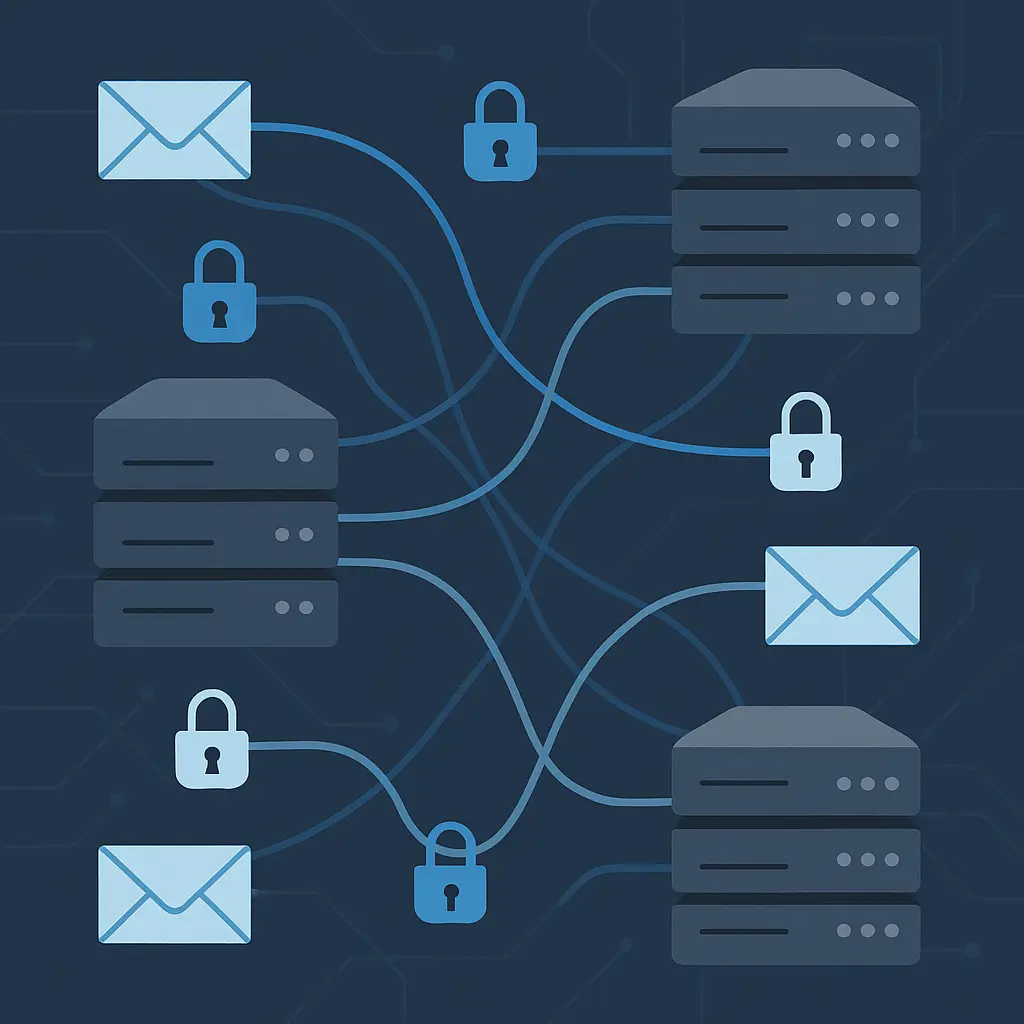
The distinction between encryption in transit and encryption at rest matters here. Encryption in transit protects data while it moves across the network. HTTPS provides encryption in transit for web browsing. Most email providers use TLS to encrypt messages in transit between servers. But encryption in transit does not protect data once it reaches the destination server. The provider can read it, store it in plaintext, and hand it over to anyone who asks. End-to-end encryption protects data in transit and at rest on the provider's servers, because the provider only ever sees ciphertext.
Your threat model determines whether end-to-end encryption is necessary. If you're worried about your ISP reading your messages, end-to-end encryption helps. If you're worried about the app company monetizing your data, end-to-end encryption helps. If you're worried about a government surveilling your communications, end-to-end encryption helps, though metadata remains exposed. If you're worried about your employer reading work messages, end-to-end encryption on a personal app helps, but using personal apps for work often violates company policy and creates other risks.
End-to-end encryption does not make you anonymous. Your phone number, email address, or username is still linked to your account. Your IP address is still visible to the provider. Your device's unique identifiers are still logged. Anonymity requires additional tools like Tor, disposable accounts, and operational security practices that go far beyond encryption.
The key management problem is the hardest part of end-to-end encryption. Your private key must stay private, but you also need access to it across devices. Signal handles this through a registration lock and a secondary device linking process. WhatsApp links secondary devices by scanning a QR code from your primary phone. iMessage syncs keys through iCloud Keychain, which introduces the same backup vulnerability mentioned earlier. Each approach trades off security, convenience, and recoverability.
If you lose your private key, you lose access to your encrypted messages. There is no password reset. There is no customer service escalation. There is no backdoor. This is a feature, not a bug. The same architecture that prevents the provider from reading your messages also prevents them from recovering your messages if you lose access. You must store your backup codes, passphrases, or recovery keys securely, because no one can retrieve them for you.
Encrypted voice and video calls work similarly. Your voice gets digitized, encrypted, transmitted, and decrypted on the recipient's device. The provider routes the call but cannot listen to it. The same metadata limitations apply: the provider knows who you called, when you called them, and how long the call lasted. They just don't know what you said.
The legal status of end-to-end encryption varies globally. In the United States, there is no federal law prohibiting it, though law enforcement agencies regularly lobby for backdoors. The National Institute of Standards and Technology publishes guidelines on encryption standards but does not mandate backdoors. The EU generally supports strong encryption. Australia passed a law requiring companies to provide technical assistance to law enforcement, which some interpret as a backdoor mandate, though enforcement details remain unclear. The legal landscape shifts constantly.
End-to-end encryption is not a panacea. It's one tool in a broader security toolkit. It protects message content from interception and provider access. It does not protect metadata. It does not protect against compromised devices. It does not protect against social engineering. It does not make you anonymous. It does not eliminate all surveillance. Understanding these boundaries lets you use the tool effectively without overestimating what it delivers.
The apps that implement end-to-end encryption correctly are Signal, WhatsApp (for message content, not metadata or backups), iMessage (with caveats about iCloud backups), and Telegram Secret Chats (not standard Telegram). Apps that do not offer end-to-end encryption include SMS, standard email, most social media DMs, and most workplace chat tools like Slack and Microsoft Teams. If the provider can read your messages, it's not end-to-end encrypted, regardless of what the marketing says.
For most people, the practical benefit of end-to-end encryption is protection from mass surveillance and opportunistic interception. It raises the cost of reading your messages from trivial to expensive. It forces attackers to target you individually rather than sweeping up everyone's data in bulk. It shifts the risk from the communication channel to the endpoints. That shift is meaningful, even if it's not absolute.
The choice to use end-to-end encryption is also a signal about your values. It says you believe your private conversations should stay private. It says you don't trust intermediaries with unfettered access to your words. It says you're willing to accept minor inconveniences in exchange for stronger protection. Those are reasonable positions, and the technology now makes them accessible without technical expertise.
End-to-end encryption works. The math is sound. The implementations in widely used apps are generally solid. The protection is real. But it's protection of a specific thing, message content, delivered within specific constraints. Knowing what it shields and what it exposes lets you make informed decisions about when to rely on it and when you need additional safeguards.