Filing Taxes After Identity Theft: The IRS Recovery Process Step by Step

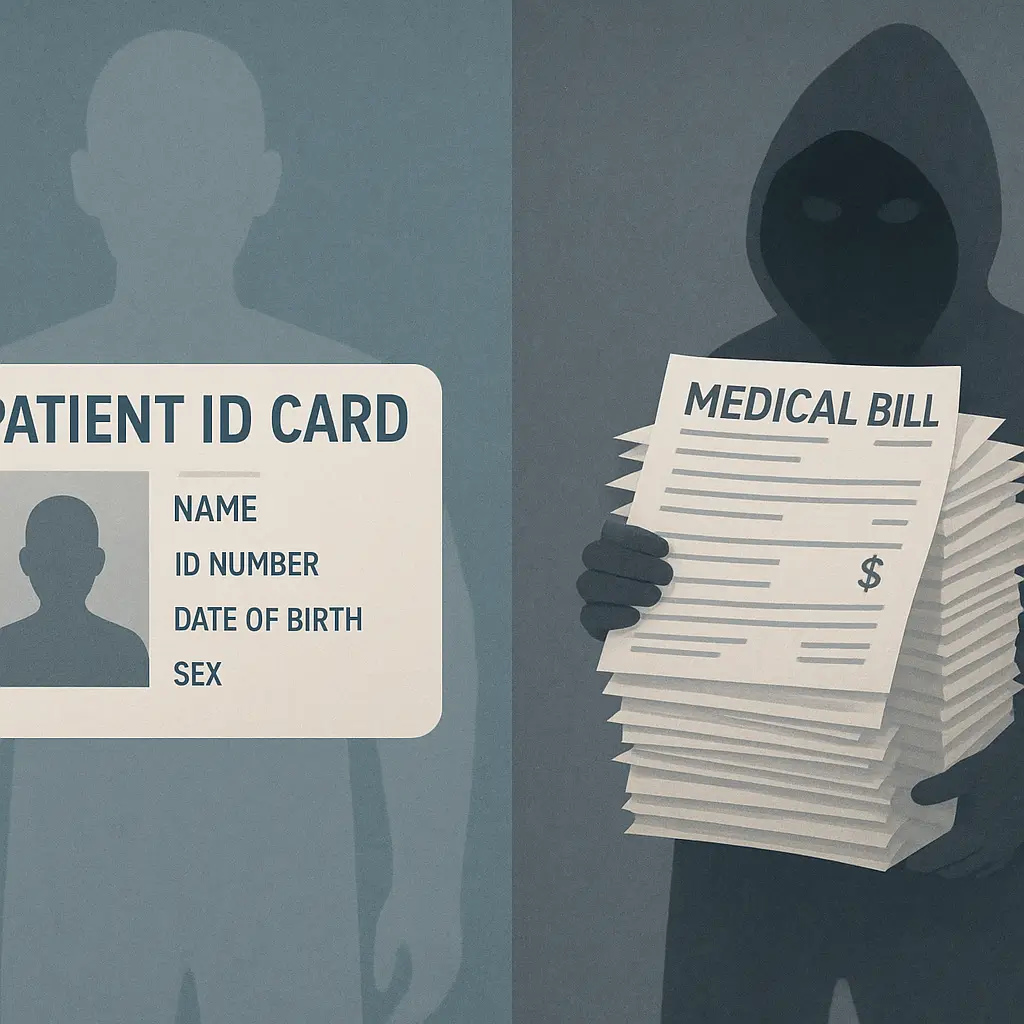
You sit down to file your taxes. You enter your information, hit submit, and the system spits back an error: this Social Security number already filed a return this year. You didn't file. Someone else did. Someone who isn't you. They used your name, your SSN, and probably claimed a refund that's already in their bank account. Now you're staring at a rejection notice with a tax deadline approaching and no clear path forward.
Tax identity theft isn't like other breaches where you change passwords and move on. The IRS operates on paper trails, investigation timelines, and bureaucratic processes that stretch across months. You can't just prove you're you and file again. The system doesn't work that way. Here's what actually happens after someone files taxes in your name, what the IRS requires, and how to navigate the recovery process when the deadline won't wait.
The Moment You Discover the Fraud
The rejection notice arrives in one of three ways. You file electronically and the system rejects your return because your SSN already appeared on a filed return. You receive an IRS letter (CP01, CP01A, or similar) stating the agency detected suspicious activity or a return filed under your name. Or you get a notice about a refund you never requested, tax transcript you didn't order, or balance due on income you didn't earn.
Each scenario means the same thing: someone filed a return using your information before you did. The IRS doesn't know which return is legitimate yet. That determination requires investigation, documentation, and time you probably don't have before the filing deadline.
Your first action is filing Form 14039, the Identity Theft Affidavit. This form tells the IRS you're a victim of tax-related identity theft. You can download it from IRS.gov or complete it through IdentityTheft.gov, which walks you through the federal reporting process. The form asks for your personal information, details about the fraudulent filing, and any supporting documentation you have.
You must file Form 14039 even if you haven't confirmed all the details of the fraud. The IRS needs this form to flag your account and begin the investigation. Without it, your legitimate return sits in limbo while the fraudulent one processes.
Filing Your Legitimate Return on Paper
The IRS requires you to file your actual tax return on paper after submitting Form 14039. You cannot e-file. The electronic system already rejected your SSN, and it will continue rejecting it until the IRS resolves the identity theft case and clears your account.
Print your completed return. Attach Form 14039 to the front. Write "Identity Theft" across the top of your 1040. Mail the entire package to the IRS address listed in the Form 14039 instructions, the address varies by state, so check the current year's instructions. Send it certified mail with return receipt. Keep copies of everything.
This paper filing requirement creates immediate problems if you're used to e-filing and receiving your refund within weeks. Paper returns take longer to process under normal circumstances. Paper returns attached to identity theft cases take significantly longer because they enter a separate investigation queue.
The IRS states that tax identity theft investigations typically take 120 to 180 days. That's four to six months from when they receive your Form 14039 and paper return. Complex cases extend beyond nine months. You won't receive your refund during this window. The IRS holds your money while investigators verify which return is legitimate and which is fraudulent.
What the IRS Investigates
The IRS investigation process isn't transparent from your end. You submit documentation and wait. But understanding what happens behind the scenes helps explain the timeline.
Investigators compare the fraudulent return against your paper filing. They look at income sources, employer information, bank accounts, addresses, and filing history. They contact employers listed on both returns to verify W-2 information. They check whether the bank account receiving the fraudulent refund matches your known accounts. They review previous years' returns for patterns.
The IRS also investigates whether you're actually a victim or whether you're trying to file twice, once to claim a fraudulent refund and once to claim the legitimate one. This sounds paranoid, but tax fraud includes people filing false identity theft claims to double-dip on refunds. The investigation protects against that scenario, which means you're proving your legitimacy throughout the process.
You'll receive letters during the investigation. The IRS sends periodic updates confirming they're working on your case. These letters don't provide detailed status, they're template notifications that your case remains open. You can call the IRS Identity Protection Specialized Unit, but hold times often exceed an hour and the representatives can't accelerate the investigation. They can only confirm what stage your case has reached.
Getting Your Refund After Resolution
Once the IRS concludes its investigation and confirms your return is legitimate, they process your refund. This happens through the normal refund process, but the timeline has already stretched months beyond a typical filing. If you claimed a refund, you'll receive it by check or direct deposit depending on what you specified on your return. If you owed taxes, the IRS adjusts your account to reflect the correct balance.
The IRS also sends you a letter confirming the resolution and assigning you an Identity Protection Personal Identification Number (IP PIN). This six-digit code becomes mandatory for all future tax filings. You must include your IP PIN on every return you file. Without it, the IRS rejects your filing, even if you're the legitimate taxpayer. The IP PIN proves you're you and prevents anyone else from filing under your SSN.
The IP PIN changes every year. The IRS mails you a new one each January. If you lose it, you can retrieve it through the IRS's online tool, but that requires passing identity verification questions based on your credit history and tax records. If you can't pass online verification, you must call the IRS and complete verification over the phone, which takes time during tax season when call volumes peak.
Protecting Against Future Tax Fraud
Tax identity theft victims face elevated risk in subsequent years. The thief already has your SSN, birthdate, and enough information to file a return. They may try again. The IP PIN stops them from filing electronically, but it doesn't stop them from attempting.
Freeze your credit at all three bureaus, Equifax, Experian, and TransUnion. Tax fraud often means the thief has enough data to open credit accounts, apply for loans, or commit other forms of identity theft. A credit freeze blocks new account openings without your explicit authorization. It's free, and you can lift it temporarily when you need to apply for credit yourself.
Monitor your IRS account through the agency's online portal. Create an account at IRS.gov if you don't have one. Check your tax transcript periodically to verify no one has filed a return under your name. The transcript shows all activity on your account, including filings, refunds, and correspondence. If something appears that you didn't initiate, you'll see it here before the IRS sends a letter.
File early each year. The earlier you file, the smaller the window for a thief to file before you. Most tax fraud happens in January and February when refund anticipation is highest and IRS processing is heaviest. Filing in late January or early February reduces your exposure, though it doesn't eliminate it entirely.
When the Fraud Extends Beyond Taxes
Tax identity theft rarely exists in isolation. If someone has enough information to file a tax return in your name, they likely have enough to attempt other fraud. Check your Social Security Administration account for suspicious activity, fraudulent claims for benefits, address changes, or earnings records that don't match your employment. Report any discrepancies to the SSA's fraud hotline.
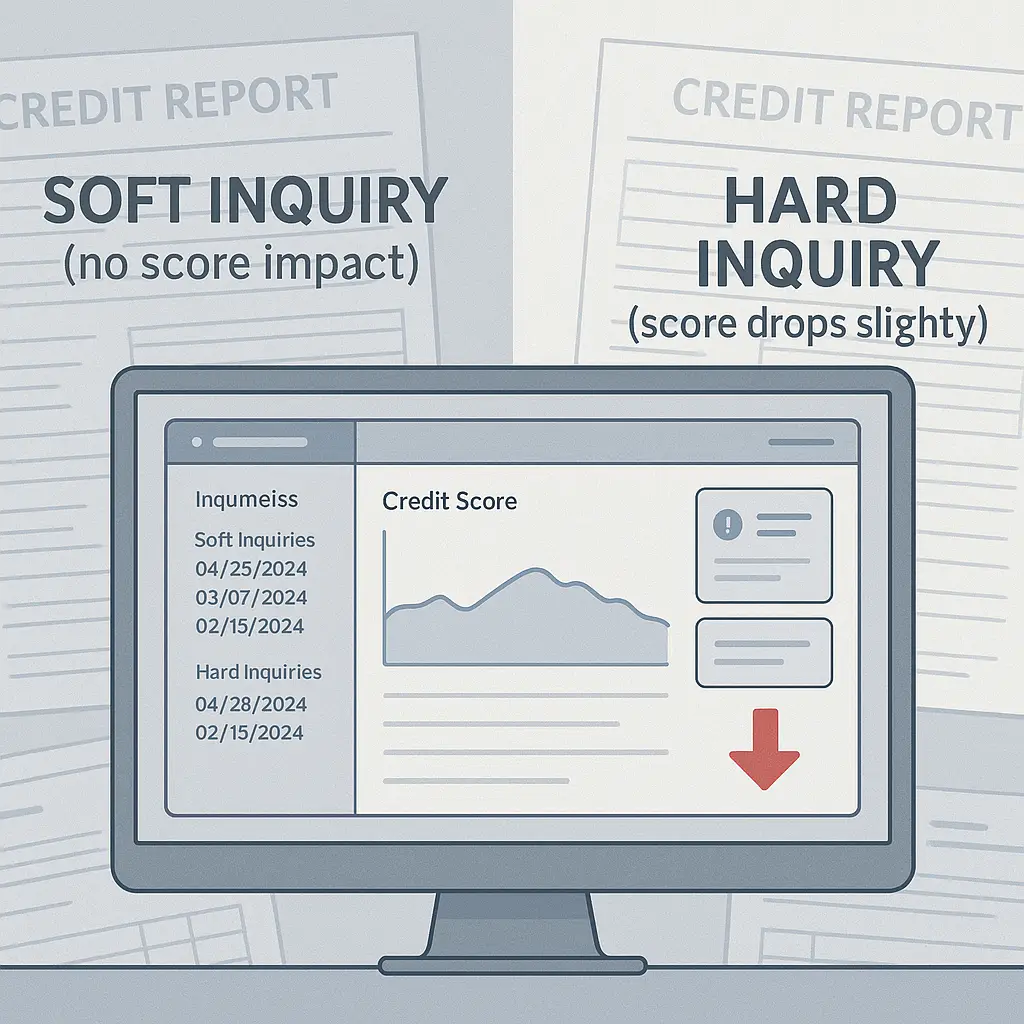
Review your credit reports from all three bureaus. You're entitled to one free report per bureau per year through AnnualCreditReport.com. Look for accounts you didn't open, inquiries you didn't authorize, and addresses you didn't use. Dispute any fraudulent entries immediately.
File a report with local law enforcement if the fraud involves substantial amounts or if you need a police report for other recovery processes. Many police departments accept identity theft reports online or by phone. The report creates an official record, which helps when dealing with creditors, banks, or other agencies that require documentation of the fraud.
File a complaint with the Federal Trade Commission through IdentityTheft.gov. The FTC doesn't investigate individual cases, but the report feeds into federal databases that track identity theft patterns and inform law enforcement. The site also generates a personalized recovery plan based on the type of fraud you experienced.
The Reality of Tax Season Timing
Tax identity theft creates a timing problem that no amount of preparation fully solves. The IRS filing deadline doesn't extend because you're a victim. You must file by April 15 (or the extended deadline if you file for an extension) even though your return goes into an investigation queue that takes months to clear.
If you owe taxes, you must pay by the deadline regardless of the investigation status. The IRS doesn't waive penalties and interest because someone filed fraudulently in your name. Your tax liability exists independent of the fraud. Pay what you owe by the deadline, then work through the identity theft process separately.
If you're expecting a refund, the delay creates financial strain. That refund might be earmarked for bills, debt payments, or other obligations. The IRS doesn't provide emergency refunds or advance payments while investigating. You wait. Budget accordingly if you discover tax fraud early enough in the year to adjust your financial planning.
Some victims discover the fraud only after the filing deadline passes because they filed for an extension or didn't realize someone had filed in their name until the IRS sent a notice months later. In these cases, the investigation timeline remains the same, but you're also dealing with potential late-filing penalties if you missed the deadline. The IRS may waive penalties if you can demonstrate the identity theft caused the delay, but that requires additional documentation and correspondence.
The Cultural Reference That Fits Here
In Breaking Bad, Walter White spends five seasons building an elaborate criminal enterprise, but the operation ultimately collapses because of a detail he couldn't control, his brother-in-law Hank's investigation. Walter's meticulous planning couldn't account for the bureaucratic machinery of law enforcement once it started moving.
Tax identity theft recovery operates on a similar principle. You can file every form correctly, submit every piece of documentation, and follow every instruction, but the IRS investigation timeline moves at its own pace. You can't accelerate it. You can't bypass it. The bureaucratic process runs its course regardless of your urgency, financial need, or frustration. The system prioritizes thoroughness over speed, and you're caught in the middle waiting for resolution that arrives on the agency's schedule, not yours.
What Happens to the Fraudulent Refund
The IRS attempts to recover fraudulent refunds, but success rates vary. If the refund went to a bank account, the IRS contacts the bank to freeze the funds or reverse the deposit. If the thief already withdrew the money, recovery becomes significantly harder. The IRS may issue a 1099-MISC to the account holder for the fraudulent refund amount, treating it as taxable income, but that doesn't help you get your legitimate refund any faster.
The IRS Criminal Investigation division handles cases involving organized tax fraud rings or substantial amounts. Individual victims don't typically interact with CI unless investigators need additional information for a criminal case. Most tax identity theft cases resolve through administrative processes without criminal prosecution because the perpetrators operate from outside the U.S. or use stolen identities that make prosecution difficult.
You're not liable for the fraudulent refund. The IRS doesn't require you to repay money you never received. Your legitimate refund processes independently once the investigation concludes. But you also don't get compensated for the time, stress, or financial disruption the fraud caused. The IRS provides no victim compensation program for tax identity theft.
Long-Term Account Monitoring
After resolving tax identity theft, your IRS account carries a permanent flag. The IP PIN requirement continues every year. The IRS maintains records of the fraud, which can trigger additional scrutiny on future returns if anything appears unusual. This isn't punishment, it's protective monitoring designed to catch repeat attempts.
Some victims report that subsequent returns take longer to process even with an IP PIN because the IRS applies extra verification steps to flagged accounts. This creates ongoing frustration during tax season, but it's the tradeoff for the protection the IP PIN provides. You're trading convenience for security.
The IP PIN system isn't perfect. Some victims report technical issues with the online retrieval tool, delays in receiving the annual PIN letter, or confusion about how to enter the PIN when filing through tax preparation software. The IRS has improved the system over time, but glitches persist. If you encounter problems, calling the IRS Identity Protection Specialized Unit is the only resolution path, which means long hold times during peak season.
The Practical Reality
Tax identity theft recovery is a marathon bureaucratic process with no shortcuts. You file Form 14039. You mail your paper return. You wait. You respond to IRS letters. You wait more. Eventually, months later, you receive your refund and your IP PIN. Then you file early every year for the rest of your life and hope it doesn't happen again.
The system works, but it doesn't work quickly. The IRS prioritizes accuracy over speed, which makes sense from an institutional perspective but creates real hardship for victims who need their refunds or who face financial obligations tied to tax season timing. Understanding the process doesn't make it faster, but it helps you plan around the delays and avoid the mistakes that extend the timeline even further.
File Form 14039 immediately when you discover the fraud. Mail your paper return with the form attached. Keep copies of everything. Check your IRS account periodically. Freeze your credit. File early in subsequent years. These steps don't prevent tax identity theft, but they limit the damage and position you for the fastest possible resolution once it happens.